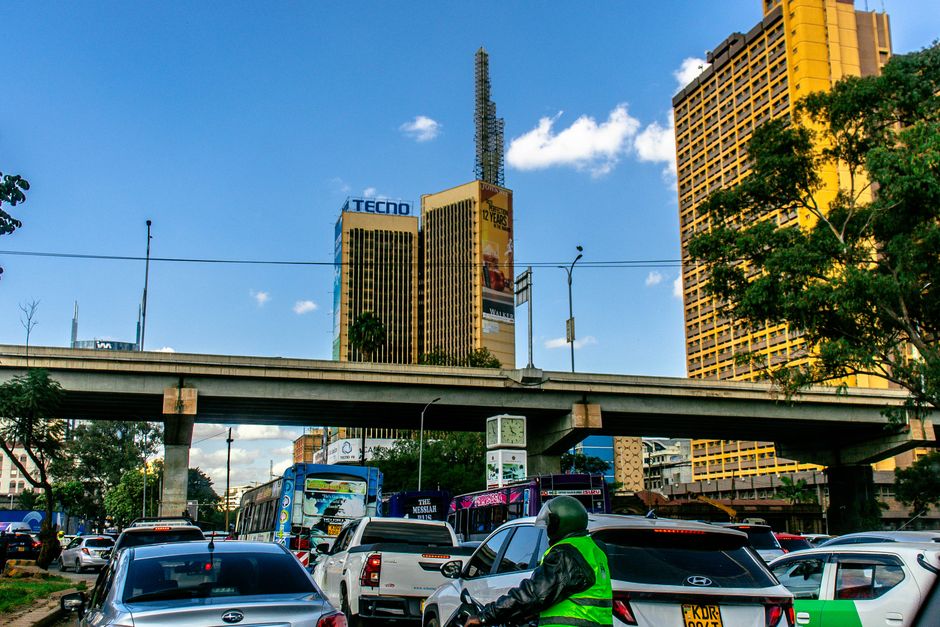
As geopolitical instability ripples across the Horn of Africa and beyond, Nairobi's character as a cosmopolitan hub is being fundamentally rewritten—a transformation captured in stark statistical detail by recent migration tracking studies and municipal labour data.
According to research compiled by the Nairobi Metropolitan Services and the Institute of Economic Affairs, international migrants and diaspora returnees now represent approximately 28% of the city's formal workforce, up from 19% in 2018. This eight-year surge reflects not merely tourist or expat influx, but structural economic shifts that demand scrutiny.
The numbers tell a granular story. In Westlands, where corporate towers cluster along Waiyaki Way, international professional placements have increased 47% since 2020, with an average monthly rent for a one-bedroom apartment climbing to 45,000 shillings. Meanwhile, in Nairobi's eastern suburbs—Embakasi, Donholm, and Eastleigh—where migrant communities from the Horn establish more modest footprints, housing costs remain closer to 18,000-22,000 shillings monthly, yet population density has swollen by 34% according to ward-level municipal counts.
The Eastleigh Commercial Association reports that shops owned by recent arrivals from Somalia, South Sudan, and Ethiopia now constitute 23% of the district's registered retail businesses—a figure that has tripled since 2015. Remittance flows through money transfer operators in that neighbourhood alone exceed 4.2 billion shillings annually, according to Central Bank tracking.
Yet the data masks profound vulnerabilities. Informal settlements surrounding the city's periphery—particularly around Kibera, Mathare, and Kawangware—host an estimated 180,000 undocumented or semi-documented migrants, according to non-governmental surveys, a population invisible to formal census work but integral to Nairobi's informal economy.
Educational institutions reflect demographic shifts too. The Kenya Private Schools Association notes that international student enrolment at Nairobi-based schools increased from 8,100 in 2019 to 15,600 by 2025, concentrated in institutions along the Kilimani and Upper Hill corridors.
Immigration and integration challenges loom. The Nairobi County Government's Department of Social Services reports that xenophobic incidents logged have risen 22% year-over-year, though tracking mechanisms remain inconsistent across jurisdictions.
These figures illuminate a city in flux—economically dynamic, demographically diverse, yet grappling with infrastructure strain and social cohesion pressures that statistics alone cannot capture. Understanding Nairobi's migration story requires reading both the numbers and the human experiences they obscure.
This article was compiled by AI from the sources linked above and screened before publishing. See our editorial standards.