The Nairobi City County Assembly is quietly advancing a housing policy that could fundamentally alter who can afford to live in Kenya's capital. The proposed changes to zoning regulations and plot subdivision rules, scheduled for final review next month, will determine whether young families can remain in mixed-income neighbourhoods or whether high-density development spirals beyond reach.
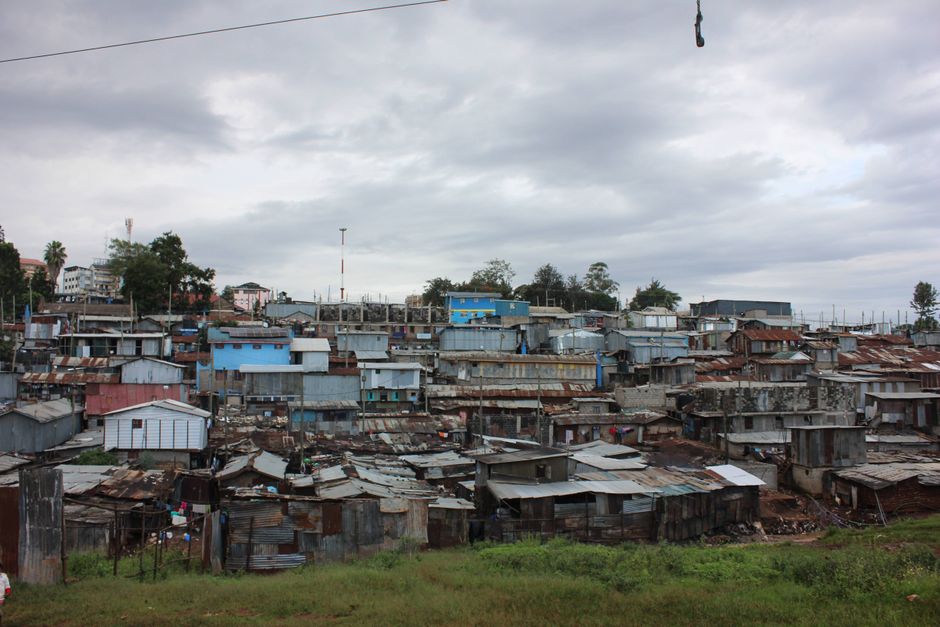
The stakes are immediate and personal. In Kilimani, where a two-bedroom apartment rents for 45,000–65,000 shillings monthly, landlords are already subdividing properties into smaller units. In Westlands, developers are eyeing sites around the Village Market corridor for commercial-residential towers. Meanwhile, residents of Mathare and Eastleigh—where informal settlements house over 600,000 people—watch from the margins, wondering if formalization efforts will genuinely protect tenure or simply displace communities.
"The policy doesn't explicitly address affordability quotas," explains housing advocate networks tracking the bill. Current draft language emphasises "mixed-use development" but remains vague on whether developers must reserve units for households earning below 100,000 shillings monthly. For Nairobi's estimated 3.2 million residents, many of whom earn between 30,000 and 80,000 shillings monthly, this omission is critical.
The lack of public consultation compounds frustration. Residents of estates like Embakasi, Karen, and South C received no formal notice before County technical committees reviewed the proposals. Community organisations, including Kituo Cha Sheria and housing advocacy groups, say they were excluded from drafting sessions. This mirrors global patterns where planning decisions made without community input entrench inequality.
What's at stake? If current trends continue unchecked, rental pressures will squeeze lower-income households further into peripheral areas—Githunguri, Juja, and Ongata Rongai—where transport costs to CBD employment spike. For workers in hospitality, retail, and informal trade, this means crushing commute times and reduced take-home income. Young professionals already delay family formation; worse policy could accelerate emigration.
The County's own data shows 77% of Nairobi's housing demand sits in the affordable-to-middle segment—yet only 12% of new units target this range. Builders follow profit, not people's needs. Without mandatory inclusionary zoning or community land trust frameworks, the gap widens.
Next month's vote matters. Residents should request public hearings. Community groups should submit written positions. The housing crisis isn't abstract; it's the difference between raising a family in your city or becoming a commuter to it.
This article was compiled by AI from the sources linked above and screened before publishing. See our editorial standards.