Nairobi's transport infrastructure is undergoing its most comprehensive transformation since the Standard Gauge Railway opened in 2017. But behind the political announcements and ribbon-cutting ceremonies lies a complex web of statistics that tells a far more nuanced story about the city's urban future.
The Nairobi Metropolitan Area Transport Authority has allocated KES 847 billion across five major projects through 2030, according to official budget frameworks. The Bus Rapid Transit (BRT) system alone accounts for KES 156 billion, with Phase One spanning 24.3 kilometres from the Central Business District through Westlands, Lavington, and extending toward Embakasi. Current traffic modelling suggests this corridor currently moves approximately 380,000 daily commuters—a figure projected to rise to 520,000 by 2028 if capacity remains unchanged.
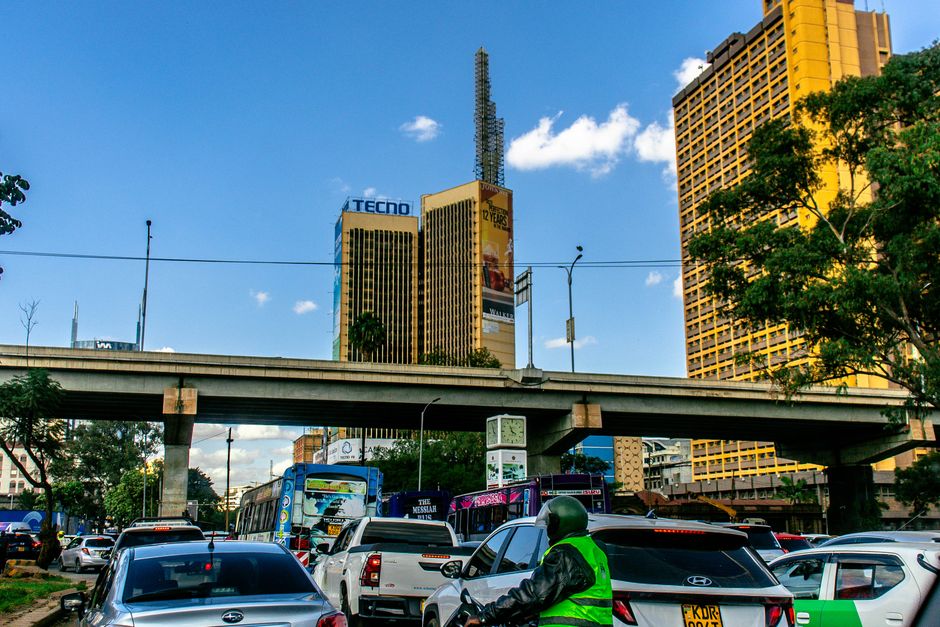
The data on current congestion paints an urgent picture. The average commute from Karen to the CBD takes 47 minutes during peak hours, up from 32 minutes in 2020. On the Nairobi-Mombasa Road corridor, travel times have increased by 23 percent annually. These delays cost the Nairobi economy an estimated KES 2.3 billion daily in lost productivity, according to transport economists at the University of Nairobi.
The Second Nairobi Expressway, currently under feasibility studies, would connect the Jomo Kenyatta International Airport to the Industrial Area—a 18.7-kilometre stretch currently serviced by the congested Eastern Bypass. Studies indicate this route carries 156,000 vehicles daily, operating at 94 percent capacity during peak periods.
Water infrastructure intersects critically with transport expansion. The ongoing rehabilitation of Uhuru Highway involves relocating 2,847 metres of underground water mains serving 34,000 residents in surrounding areas. The Nairobi City Water and Sewerage Company estimates these utilities were originally installed between 1987 and 1993, with asset life expectancy of 50 years now largely exceeded.
Budget execution remains the critical variable. Historical data from the 2015-2022 period shows transport projects in Nairobi achieved only 68 percent of planned expenditure annually. The integrated transport masterplan, requiring KES 1.2 trillion through 2040, depends on attracting 34 percent of funding from public-private partnerships—a sourcing target that has historically underperformed by 18 percentage points.
These numbers—billions allocated, hundreds of thousands of commuters affected, decades-old infrastructure, and execution gaps—frame the genuine challenge facing Nairobi. Infrastructure expansion isn't merely about construction timelines; it's about whether the city can marshal the financial discipline and operational capacity to deliver systems that actually reduce the 47-minute Karen-to-CBD journey that defines daily life for hundreds of thousands of residents.
This article was compiled by AI from the sources linked above and screened before publishing. See our editorial standards.