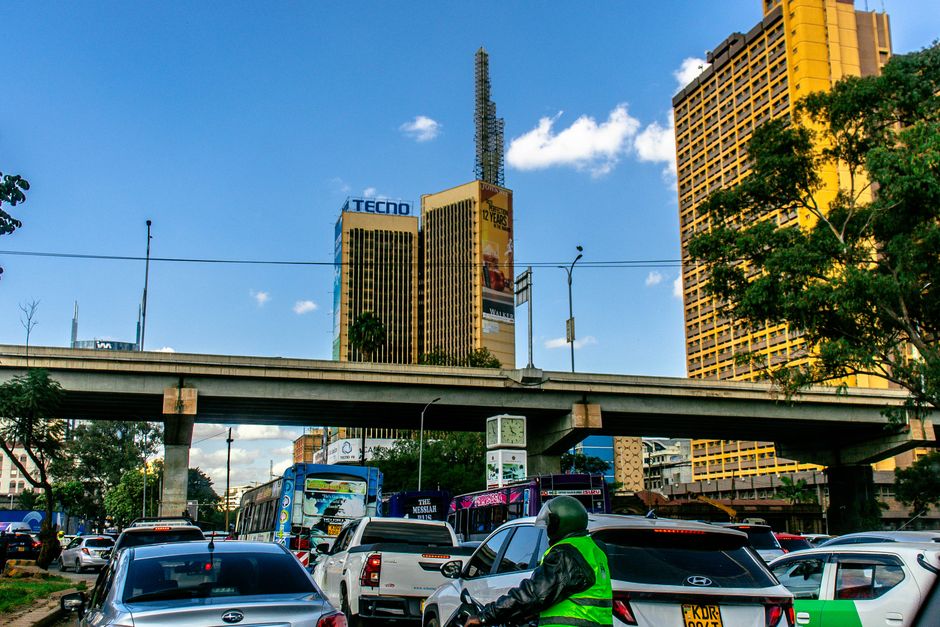
By the Numbers: What Nairobi's Green Revolution Actually Looks Like
New data reveals the scale of Kenya's capital's environmental turnaround—and where ambitions still fall short.
New data reveals the scale of Kenya's capital's environmental turnaround—and where ambitions still fall short.
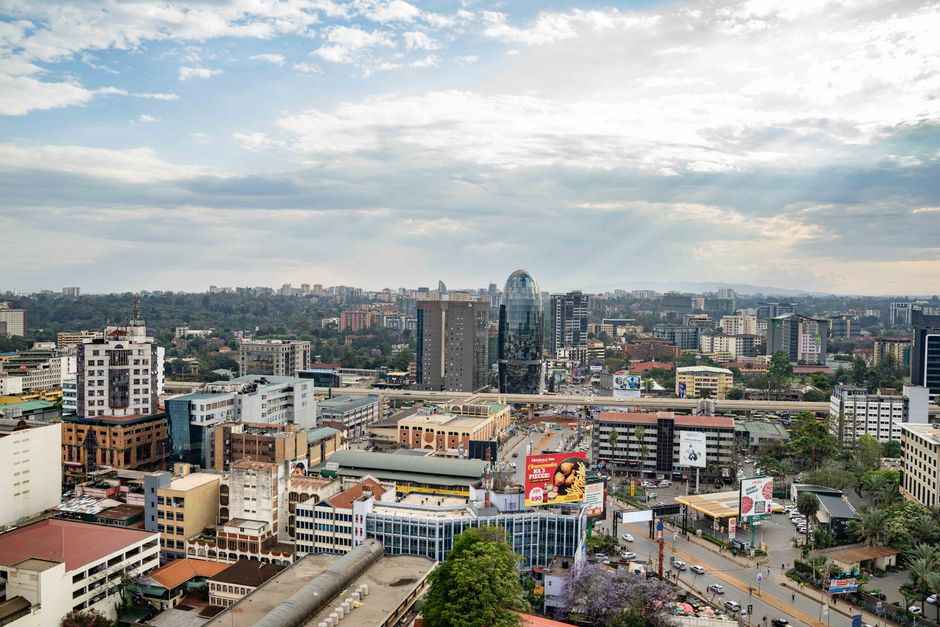
Nairobi's sustainability drive has become one of East Africa's most closely watched experiments in urban environmental management. Yet behind the headline announcements lies a complex picture painted by hard numbers that tell a more nuanced story than press releases suggest.
The City County of Nairobi planted 2.3 million trees across the metropolis between 2022 and 2025, according to environmental management records—a figure that sounds impressive until contextualised against the 847 hectares of green space lost annually to urban sprawl. The Nairobi River, once flowing through central business district corridors like a municipal artery, now benefits from a restoration initiative that has removed approximately 12,400 tonnes of plastic and solid waste since 2023. Yet water quality indices recorded by the Kenya National Bureau of Statistics show dissolved oxygen levels in the river remain critically low at 1.2 milligrams per litre—well below the safe threshold of 5 mg/l for aquatic ecosystems.
Solar adoption tells a similarly fractured narrative. Residential installations in affluent zones like Westlands and Karen have surged to 18,000 rooftop units, reducing household grid dependency by an average of 34 per cent. But across Nairobi's informal settlements—home to approximately 60 per cent of the city's 4.9 million residents—solar penetration remains below 2 per cent, with installation costs of 85,000 to 120,000 shillings remaining prohibitive for most households.
Waste management metrics reveal progress accompanied by persistent challenges. The Dandora and Kitengela landfills, which receive roughly 2,400 tonnes of Nairobi's daily refuse, operate at 89 per cent capacity despite county recycling programmes claiming to divert 310 tonnes monthly. Private waste collectors operating from estates across South B, Kilimani, and Eastleigh report that approximately 41 per cent of collected waste still reaches landfills rather than recycling facilities.
Public transport electrification efforts show momentum, with the Nairobi Matatu Modernisation Programme registering 1,847 electric vehicles as of March 2026—representing just 3.2 per cent of the city's estimated 58,000-vehicle informal transport fleet. However, air quality monitoring stations operated by the National Environment Management Authority recorded a 12 per cent improvement in particulate matter (PM2.5) concentrations in central Nairobi over the past two years.
The data suggests that Nairobi's environmental initiatives are generating measurable impact, particularly where investment concentrates. Yet the numbers also expose equity gaps that threaten the sustainability narrative's credibility, particularly across communities with fewest resources to participate in green transitions.
This article was compiled by AI from the sources linked above and screened before publishing. See our editorial standards.
How does this story make you feel?
Spread the word
About this article
Published by The Daily Nairobi
Daily brief
Free, in your inbox before 7am. Weekdays.
More in News