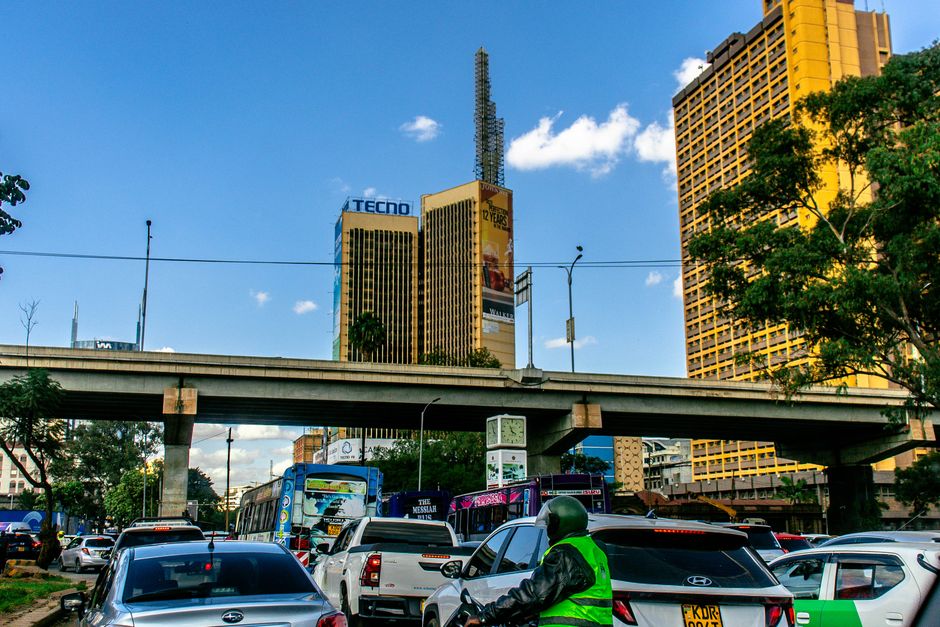
The sprawling Eastleigh neighbourhood, home to tens of thousands of migrants and refugees, is experiencing an unusual tension this week. Money transfer shops along Fifth Avenue are processing urgent requests from families trying to extract relatives from conflict zones—Pakistan's military operations in Afghanistan, escalating violence in the Democratic Republic of Congo, and renewed instability in the Middle East are all converging to reshape migration dynamics across the Horn of Africa.
For many of Nairobi's estimated 500,000 migrants and refugees, the question is no longer whether to leave home countries, but how to help those still trapped and when to make permanent decisions about relocation. "We're seeing people reassess everything," says a community worker based at the Nairobi Refugee Consortium's offices in Kilimani, speaking on condition of anonymity. "Families are splitting decisions. Some want to bring relatives here immediately. Others are reconsidering whether Nairobi itself remains stable enough."
The economics are stark. A flight from Nairobi to major Middle Eastern hubs—traditional staging points for onward migration—has increased 40 per cent since early June, travel agents in Westlands report. Simultaneously, Kenya's immigration authority has not clarified new processing timelines for asylum applications, leaving thousands in bureaucratic limbo at the Kalikasan processing centre.
Afghan, Pakistani, and Congolese diaspora communities are facing immediate decisions. Do they sponsor family reunification now, while they can afford it? Do they wait for stability that may not come? Should they invest in permanent settlement here, or maintain temporary status while exploring other options?
The stakes are particularly high for young people. Nairobi's universities, which host thousands of international students, are seeing enrollment inquiries drop from Central and West Africa, but increase from South Asia. The city's position as a regional hub means it absorbs first waves of displacement before populations disperse further south or internationally.
Local NGOs and the UN Refugee Agency face their own crossroads. Do they expand capacity assuming larger inflows, or maintain current budgets betting on regional stabilisation? The Nairobi Pastoral Centre and Karen refugee settlement are already operating near capacity.
By next month, several critical decisions will crystallise: Kenya's government is expected to announce revised asylum processing protocols; several major donor countries will signal migration funding priorities; and major diaspora networks plan community forums to coordinate sponsorship efforts. These moves will determine whether Nairobi becomes a longer-term destination for displaced populations or remains primarily a transit point.
For migrant families across Nairobi—from Parklands to Kibera—the answer cannot wait much longer.
This article was compiled by AI from the sources linked above and screened before publishing. See our editorial standards.