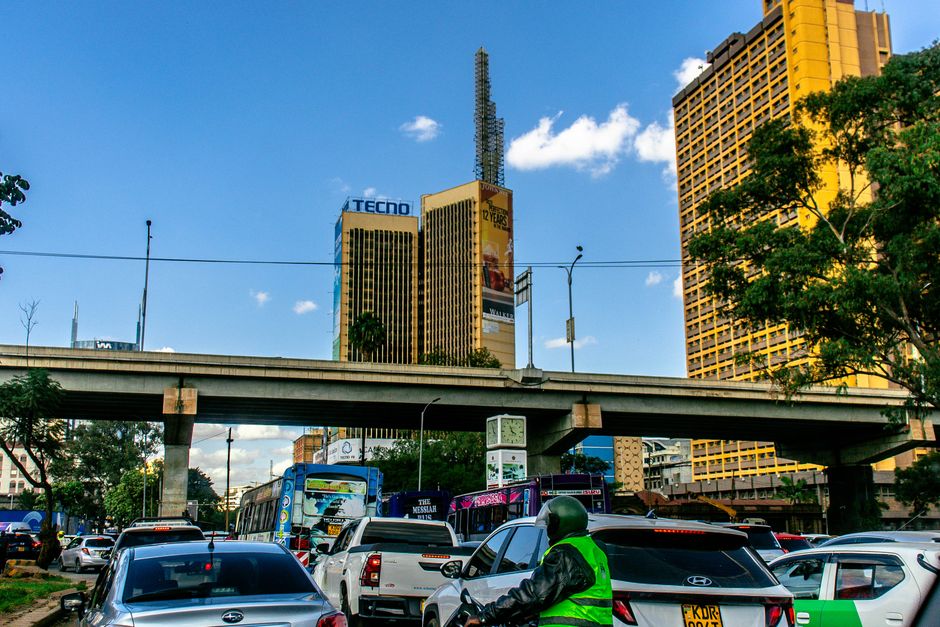
Nairobi's Water Crisis Deepens: Why Your Taps Are ...
As the city faces its worst rationing in three years, residents across Westlands to Kibera are counting the cost—and the real solutions remain elusive.
As the city faces its worst rationing in three years, residents across Westlands to Kibera are counting the cost—and the real solutions remain elusive.
For the third consecutive week, residents in Kilimani, Westlands, and Upper Hill have experienced water cuts lasting up to 36 hours. The Nairobi City Water and Sewerage Company announced on Monday that rationing will intensify through August, affecting an estimated 1.8 million residents across the metropolitan area. For many households, this isn't merely an inconvenience—it's a direct hit to income and health.
The immediate impact is visible across the city's key commercial corridors. Along Ngong Road and in the Nairobi Central Business District, restaurants and hotels report water procurement costs have jumped 40-60% as they resort to private tanker supplies. A litre of water from private vendors now costs between 50-80 shillings, compared to the piped rate of 8 shillings. Small businesses in Eastleigh's wholesale markets, dependent on water for cleaning produce, face daily expenses exceeding 5,000 shillings.
The crisis disproportionately affects informal settlements. Residents in Kibera, Mathare, and Mukuru have virtually no piped water access, forcing families to queue at communal points or purchase jerry cans from informal water traders charging up to 100 shillings per container. Healthcare workers at Mbagathi and Mama Lucy Kibaki hospitals report increased cases of waterborne illnesses, particularly among children under five in densely populated areas.
Contributing factors include underinvestment in pipeline maintenance—an estimated 50% of water is lost to leaks before reaching homes—and insufficient rainfall across the Tana and Athi river systems, which supply 85% of the city's water. The national government's pledge to complete the Kimwarer and Arror dams by 2027 offers hope, but residents need immediate solutions.
Experts suggest the city should accelerate planned interventions: reducing non-revenue water loss through leak detection, expanding the Ndakaini Reservoir capacity, and implementing stricter water-use regulations for large consumers. Community leaders in affected neighbourhoods are pushing for subsidised water rates for low-income households and transparent rationing schedules.
The question now facing Nairobi's leadership is whether water security will finally become the infrastructure priority it should be. For millions of residents already stretching household budgets, the answer cannot wait until 2027.
This article was compiled by AI and screened before publishing. See our editorial standards.
How does this story make you feel?
Spread the word
About this article
Published by The Daily Nairobi
Daily brief
Free, in your inbox before 7am. Weekdays.
More in News