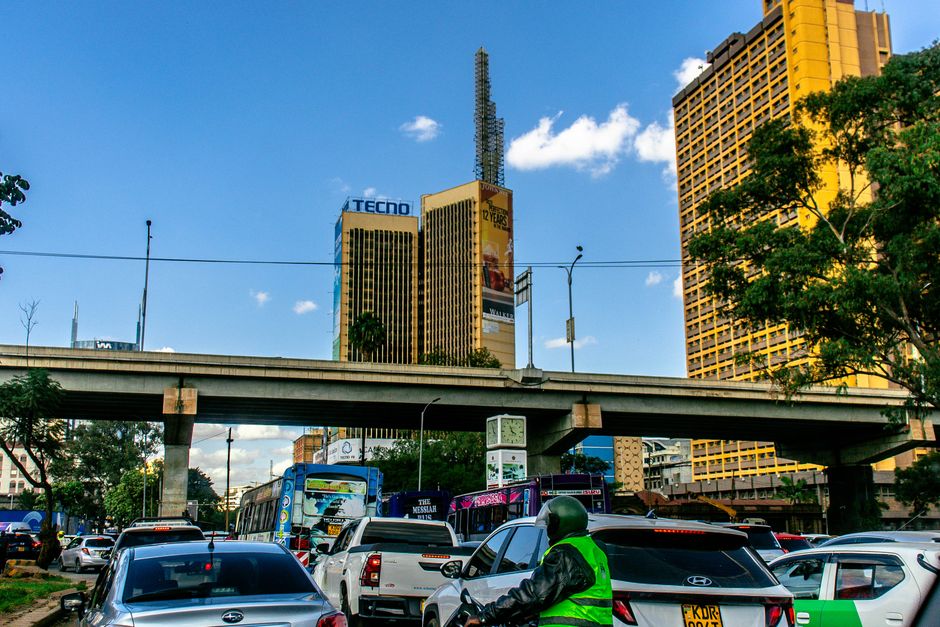
Nairobi's infrastructure landscape shifted noticeably this week as two of the city's most anticipated transport initiatives crossed critical thresholds, offering fresh hope to millions of commuters who spend hours navigating gridlocked arterial roads.
Work on the Southern Bypass expansion reached the 60% completion mark on Monday, according to site supervisors monitoring the 18-kilometre project that will eventually connect Mlolongo to Kitengela. The expanded four-lane corridor—designed to siphon heavy traffic away from the congested Mombasa Road corridor—has already seen preliminary earthworks completed from the Athi River junction southward. Commuters using the route have reported modest improvements in flow during off-peak hours, though congestion persists during morning and evening rush periods between 7-9am and 4-7pm.
More significantly, the Nairobi Metropolitan Area Transport Authority announced Thursday that procurement for the Green Line commuter rail's remaining four stations has been finalised, unblocking a phase that stalled for eight months. The 23-kilometre rapid transit line, designed to connect Nairobi Central Business District through Westlands to Ruaka, will eventually accommodate an estimated 200,000 daily passengers. Current track-laying operations between the CBD and Ongata Rongai continue ahead of schedule, with the contractor reporting 89% completion on the southern corridor by month's end.
The positive momentum arrives amid persistent frustrations on other fronts. The proposed Nairobi Ring Road—a long-mooted 88-kilometre orbital route intended to bypass the city centre entirely—remains in preliminary design phases, with no announced timeline for commencement. Land acquisition challenges around Kiambu Road and the Karen-Langata junction continue to delay planning approval.
For residents of satellite towns like Limuru, Thika, and Kitengela, this week's announcements represent tangible progress after years of unfulfilled promises. Matatu operators working the Southern Bypass report that completed sections have reduced travel times between Nairobi and Machakos by roughly 12 minutes during non-peak hours, though the full impact will only materialise once the entire corridor opens.
City planners acknowledge that Nairobi's transport infrastructure remains critically under-resourced relative to the capital's 4.3 million residents, but this week's developments suggest the long-stalled machinery of urban development may finally be gaining traction. The question now is whether completion timelines hold as the rainy season approaches.
This article was compiled by AI from the sources linked above and screened before publishing. See our editorial standards.