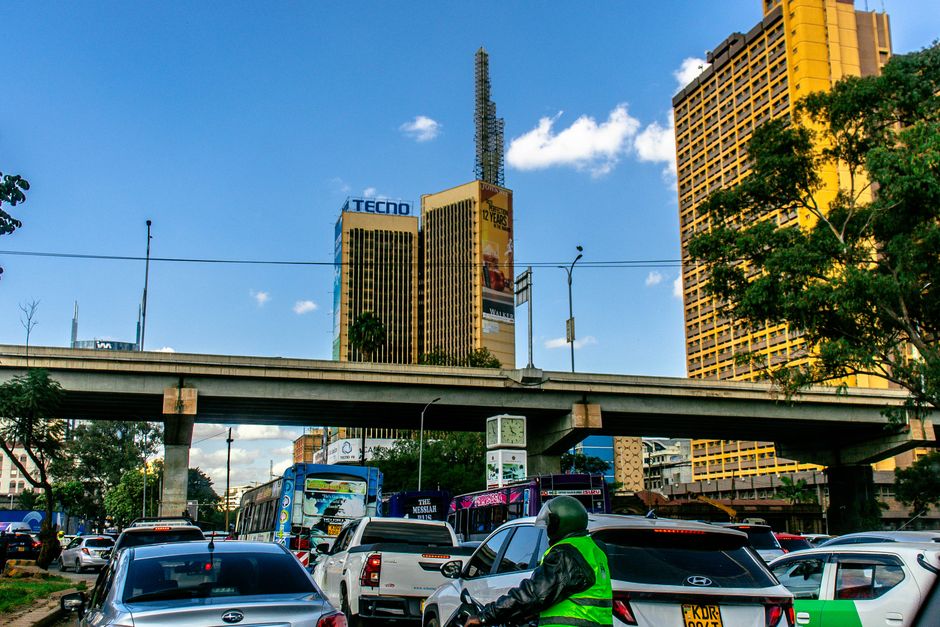
Nairobi stands at a crossroads. With its population exceeding 4.3 million and rapid urbanisation straining infrastructure across Westlands, Kasarani, and the sprawling informal settlements of Mathare, city officials and environmental experts are increasingly vocal about the need for immediate, systemic change to sustainability practices.
During recent consultations at the Safari Park Hotel and the Kenya National Museum, senior officials from the Nairobi City County have emphasised their commitment to reducing the city's annual waste generation—currently estimated at 9,000 tonnes per day—by implementing aggressive recycling programmes. The county's environmental and waste management department has outlined plans to expand collection points across Parklands, Kilimani, and industrial zones in Embakasi, though experts caution that funding remains a persistent challenge.
Dr. James Kariuki, director of the East African Centre for Environmental Policy, highlighted during a recent forum that Nairobi's air quality index regularly exceeds WHO guidelines, particularly along the Eastern Bypass and Mombasa Road corridors where traffic congestion exacerbates emissions. "We need integrated transport solutions, not piecemeal interventions," he told stakeholders, pointing to successful bus rapid transit models in other African cities as potential templates for the Nairobi Metropolitan Area.
The city's renewable energy transition has drawn cautious optimism from industry observers. Officials announced plans to transition municipal facilities—from the City Hall on City Hall Way to satellite offices in Ruaraka—to solar power by 2028, aligning with Kenya's broader target of 100 percent renewable electricity generation. However, experts note that private sector adoption remains sluggish, with high upfront costs deterring businesses in the central business district and satellite towns.
Water scarcity represents another critical frontier. With Lake Nairobi increasingly polluted and Athi River contamination documented in recent environmental audits, county representatives have committed to watershed restoration projects in the Ngong Hills and Karura Forest ecosystems. The Nairobi Water and Sewerage Company has pledged to reduce non-revenue water loss from current levels exceeding 50 percent, though technical capacity constraints persist.
What remains clear from conversations with policymakers, academics, and implementation teams is that Nairobi's sustainability journey requires not just policy rhetoric, but sustained investment and behavioural change. As the city positions itself as East Africa's green leader, the gap between official commitments and measurable outcomes will determine whether such ambitions represent genuine transformation or merely aspirational messaging.
This article was compiled by AI from the sources linked above and screened before publishing. See our editorial standards.