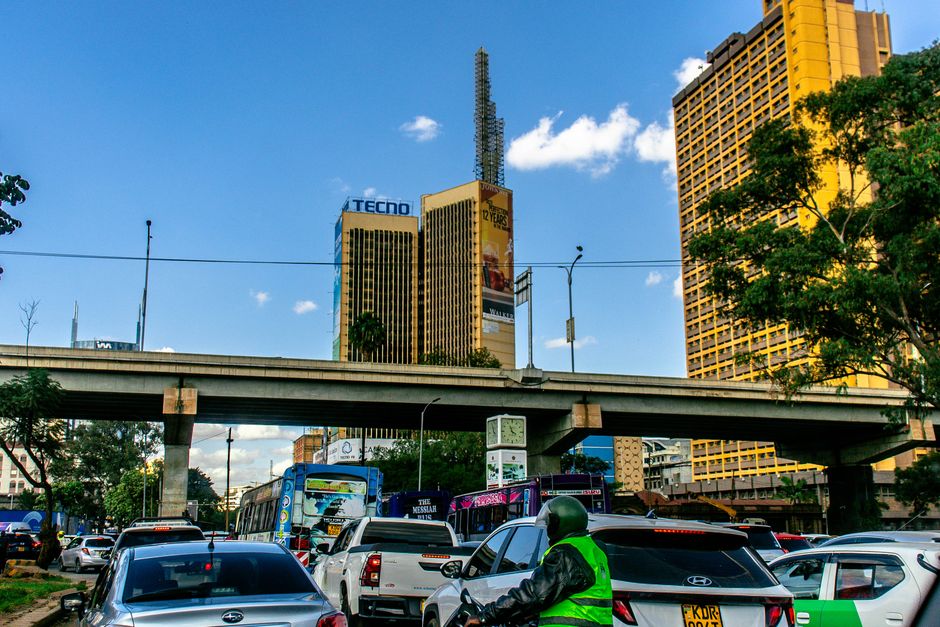
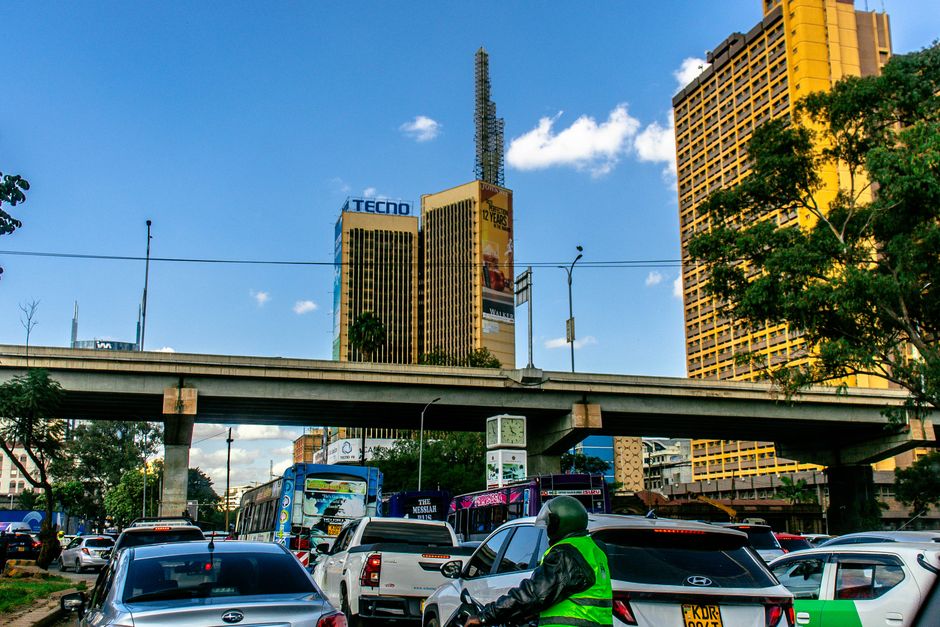
Walk through Westlands on a Tuesday afternoon and you'll hear Tigrinya alongside Swahili, smell Ethiopian injera wafting from Addis Red Sea Restaurant, and pass storefronts advertising remittance services to a dozen countries. This wasn't always Nairobi's character. The transformation from a predominantly East African hub to a genuinely multicultural metropolis reflects decades of regional upheaval, economic calculation, and human resilience.
The origins trace to the 1990s. As civil wars fractured Somalia, Sudan, and later Ethiopia's Tigray region, Nairobi's position as a stable, relatively prosperous capital made it a natural waystation. The UN High Commissioner for Refugees established its primary East Africa operations here in 1991. By 2000, the city housed over 120,000 refugees—a figure that has since grown to nearly 180,000 registered cases, according to UNHCR data from last year. Many never leave. They establish businesses, marry locally, and root themselves into neighbourhoods like Eastleigh, where Somali traders control an estimated $1.2 billion annual economy, and Parklands, where newer Afghan and Syrian communities cluster around shared mosques and restaurants.
But Nairobi's migration story extends beyond displacement. The 2015 Vision 2030 development plan explicitly positioned Kenya as a tech and finance hub, drawing skilled professionals from across Africa and beyond. Companies on Waiyaki Way and around the Nairobi Business Park now employ engineers from Nigeria, data scientists from South Africa, and management consultants from across the diaspora. A studio apartment in Kilimani rents for 35,000 to 50,000 shillings monthly—steep for locals, but accessible for international salaries.
This layered migration—refugees, economic migrants, diaspora returnees, and multinational workers—has created tensions alongside opportunity. Housing pressure in desirable suburbs, wage competition in lower-skilled sectors, and cultural integration challenges populate daily conversation at coffee shops along Ngong Road. Yet integration remains uneven. While some communities thrive economically, others in Nairobi's informal settlements face exploitation and marginalisation.
The city's multicultural present wasn't inevitable. It resulted from geography, geopolitics, and individual choices. Understanding this context matters now, as regional conflicts in Pakistan, Venezuela, and Congo continue displacing millions globally. Nairobi's experience—messy, incomplete, but persistent—offers lessons in how cities absorb and are transformed by human movement on an unprecedented scale.
This article was compiled by AI from the sources linked above and screened before publishing. See our editorial standards.