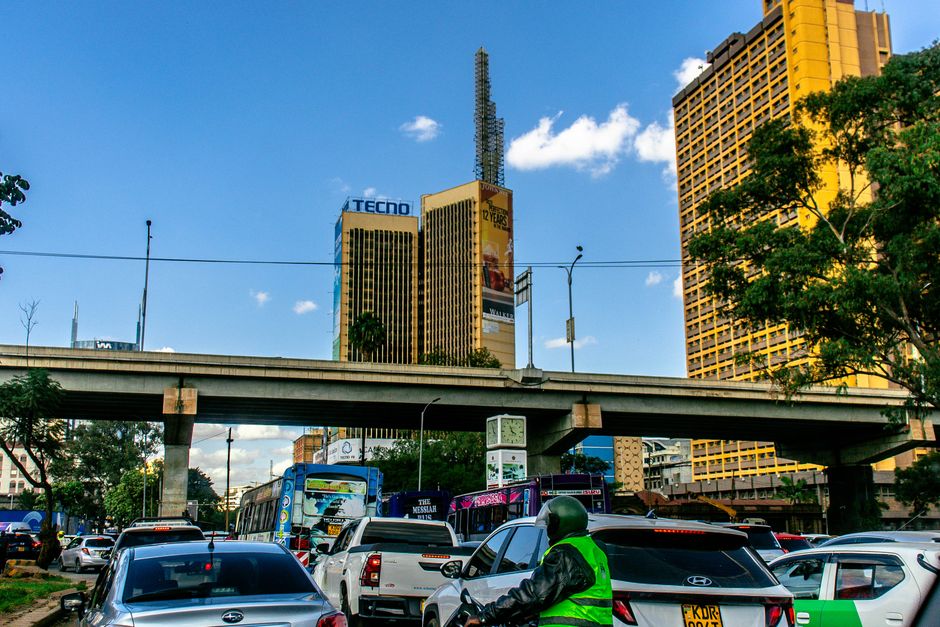
Nairobi's relationship with sustainability has traditionally been fraught with contradiction. Yet as the capital grapples with rapid urbanisation and mounting waste, city officials and environmental organisations are increasingly benchmarking themselves against global leaders like Copenhagen, Curitiba, and Singapore—raising uncomfortable questions about how far Kenya's largest city still needs to travel.
The most visible progress lies in waste management. The Nairobi City County's 2024 initiative to expand recycling collection points across Westlands, Kilimani, and Upper Hill has reduced landfill dependency by approximately 12%, according to the Nairobi Metropolitan Services. Meanwhile, the plastic ban expansion—now covering packaging thinner than 30 microns—has shifted consumer behaviour, though enforcement remains inconsistent along informal settlements in Mathare and Kayole.
Where Nairobi diverges sharply from comparable African cities like Lagos or Johannesburg is in public transport electrification. While Cape Town has deployed over 400 electric buses, Nairobi's nascent bus rapid transit system still relies predominantly on diesel. The city's nascent green spaces initiative, however, offers unexpected optimism. Recent tree-planting campaigns have added 50,000 trees across Ngong Road, City Park, and riverside corridors—modest compared to Singapore's annual targets but substantial for a city where 56% of residents lack adequate green access.
The sustainability sector itself is becoming economically significant. Green-focused enterprises clustered around Westlands and the Nairobi Innovation Hub now employ approximately 3,200 people, according to industry surveys. Solar installation costs have dropped 40% since 2020, making rooftop solar increasingly accessible to middle-income households in areas like Kileleshwa and Rosslyn.
Yet structural barriers persist. Water scarcity—affecting 40% of Nairobi's population during dry seasons—remains a critical vulnerability that cities like Lisbon have addressed through aggressive demand management. The informal sector, representing 60% of Nairobi's economy, largely operates outside sustainability frameworks entirely. And unlike Barcelona or Melbourne, which have embedded circular economy principles into municipal procurement, Nairobi's government contracting still prioritises cost over environmental impact.
Perhaps most tellingly, Nairobi's carbon footprint per capita (1.8 tonnes annually) lags behind Singapore (7.9 tonnes) but exceeds both its ambitions and most peer African cities. As international climate scrutiny intensifies and younger residents demand accountability, the question isn't whether Nairobi will pursue sustainability—but whether incremental initiatives will prove sufficient before critical tipping points arrive.
This article was compiled by AI from the sources linked above and screened before publishing. See our editorial standards.