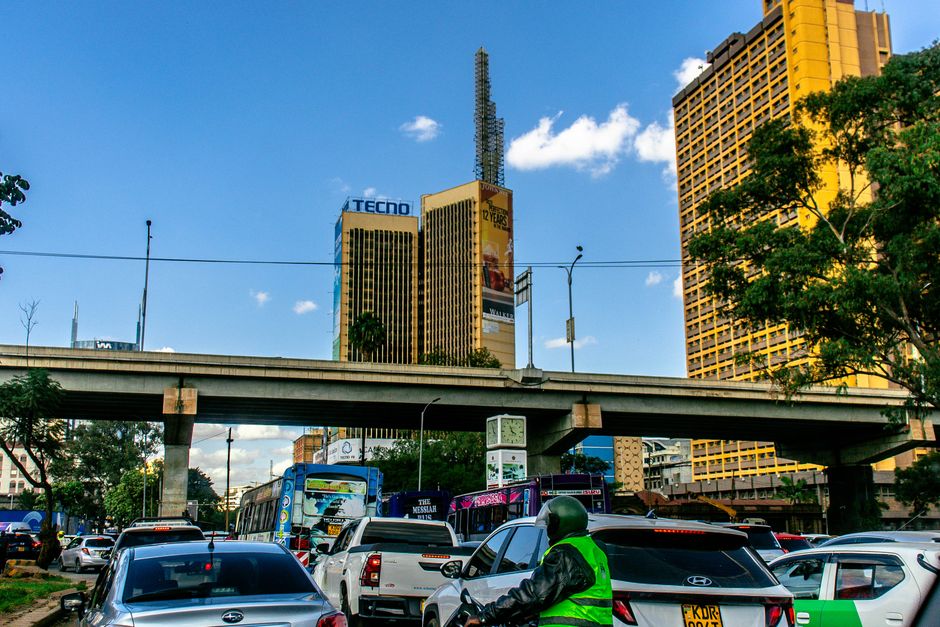
Why Nairobi's Migrant Surge is Reshaping Neighbourhoods—and Why You Should Care
As thousands of migrants pass through or settle in the capital, local residents, businesses and services face both unprecedented opportunity and mounting pressure.
As thousands of migrants pass through or settle in the capital, local residents, businesses and services face both unprecedented opportunity and mounting pressure.
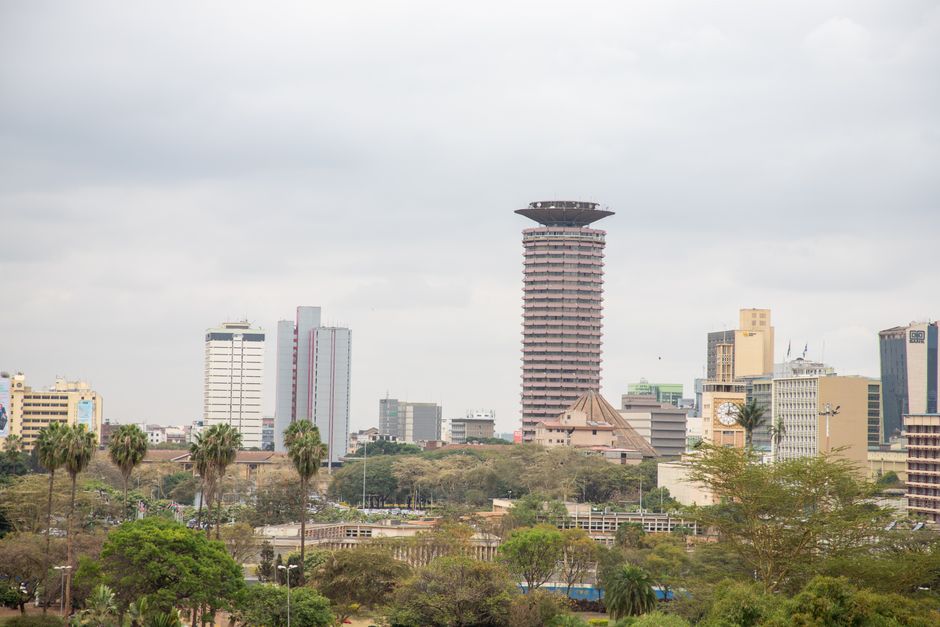
Walk through Eastleigh any afternoon and you'll hear Somali, Arabic, Tigrinya, and English layered over the honk of matatus. The neighbourhood, once predominantly Somali-Kenyan, now hosts West African traders, asylum seekers from the Horn of Africa, and economic migrants from across the continent. This demographic shift isn't unique to Eastleigh—it's reshaping Nairobi itself, with profound implications for housing, employment, and social services that directly affect all residents.
According to the International Organisation for Migration, Kenya hosts over 700,000 refugees and asylum seekers, with Nairobi accounting for roughly 150,000. But that official figure masks a larger reality. Undocumented migrants, temporary workers, and those in transit add significantly to the actual numbers. The pressure is visible: rental prices in traditionally migrant-dense areas like Parklands and Westlands have surged 15-22% over the past two years, pricing out lower-income Kenyan families.
The impact cascades through local systems. Hospitals like Kenyatta National and Aga Khan report increasing numbers of uninsured patients, straining already-stretched emergency departments. Schools in areas with high migrant populations, particularly around River Road and Nairobi's CBD, face enrolment pressures without corresponding budget increases. Yet businesses thrive: the informal economy along Tom Mboya Street and in the Industrial Area has diversified, with migrant entrepreneurs creating jobs and filling market niches that generate tax revenue.
Local organisations are adapting. The Nairobi Hospitality Network and groups operating from the Presbyterian Church of East Africa headquarters in Parklands now offer language classes and job training to help migrants integrate while protecting local labour standards. Yet coordination remains patchy. Informal settlements like Mathare and Kibera absorb many migrants into precarious conditions, invisible to official statistics but visible in stretched water supplies and sanitation challenges.
What matters for Nairobi residents is clear: managing migration benefits the city's reputation and economy, but requires investment. Better documentation reduces exploitation and crime. Coordinated services—health clinics, skills centres, legal aid—benefit everyone. Without strategic planning, neighbourhoods polarise, resentment festers, and informal settlements expand unchecked.
Nairobi's character has always been cosmopolitan. But scaling that openness requires intention. The question isn't whether migrants will come—they will. It's whether the city adapts proactively, ensuring both newcomers and long-term residents share the benefits and burdens fairly.
This article was compiled by AI from the sources linked above and screened before publishing. See our editorial standards.
How does this story make you feel?
Spread the word
About this article
Published by The Daily Nairobi
Daily brief
Free, in your inbox before 7am. Weekdays.
More in News