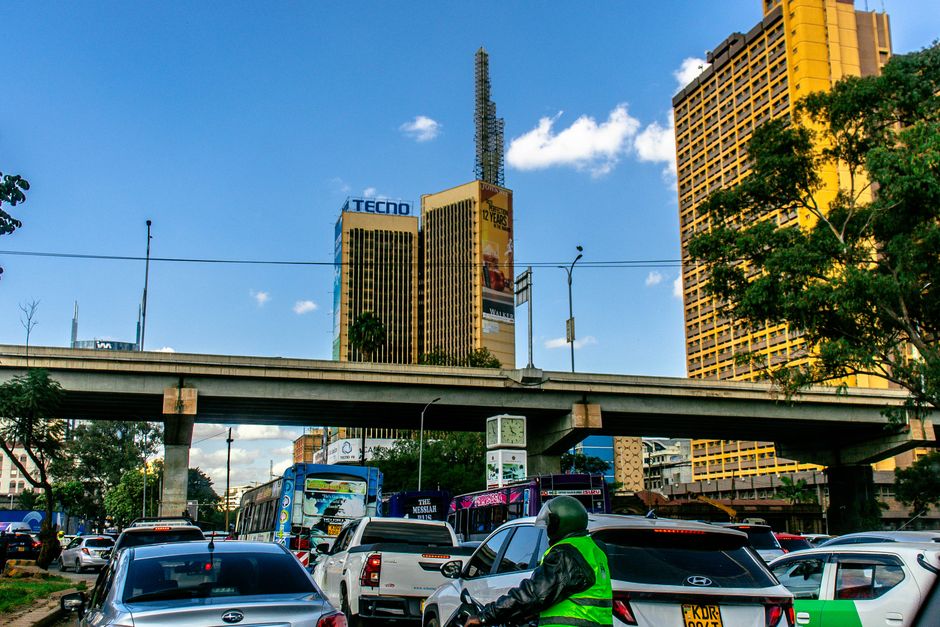
Walk through Westlands on any weekday morning and you'll encounter a microcosm of global migration patterns. Among the gleaming office towers and shopping malls, Somali entrepreneurs run thriving import businesses, Indian expats manage tech startups, and Lebanese families operate established trading houses. Yet Nairobi's handling of this multicultural reality stands in sharp contrast to the crises unfolding elsewhere.
While Germany reels from violence at community centres and cities like London grapple with sharp divisions within diaspora populations, Nairobi has quietly developed what integration specialists call an "accidental pragmatism." The city hosts approximately 2 million migrants and refugees—nearly 30 percent of its population—making it demographically comparable to Toronto or London. Unlike those cities, however, Nairobi has largely avoided the polarisation that has come to characterise migration debates globally.
The International Organisation for Migration's Nairobi office attributes this partly to geography and economics. "Necessity breeds cooperation," says the framework. In Eastleigh, the Somali-dominated neighbourhood that has transformed from a colonial-era suburb into a $1.2 billion annual economic hub, integration happened through commerce rather than policy. When water shortages hit in 2022, community water vendors—many Somali, many Kenyan—jointly negotiated with the Nairobi Water Company rather than fragmenting along ethnic lines.
Yet comparisons must be cautious. Nairobi's relative stability masks significant challenges absent from Western narratives. Housing costs in Westlands have jumped 40 percent since 2020, pricing out middle-income Kenyans and creating pressure-cooker dynamics unseen in Toronto's more regulated rental markets. The city's informal settlements—where many migrant communities live alongside Kenyan nationals in Kibera and Mathare—lack the infrastructure and services that have softened integration tensions elsewhere.
Cape Town, often cited globally for its multicultural success, invested heavily in dedicated integration programmes and community centres. Nairobi's approach has been far less formal, relying instead on market forces and neighbourhood networks. This has advantages—lower bureaucratic overhead, faster adaptation—but also creates blind spots. Unlike Berlin, which tracks hate crimes against migrant communities meticulously, Nairobi has no systematic data on discrimination incidents.
What emerges is a city managing migration through accidental resilience rather than deliberate strategy. As Pakistan's cross-border violence and Iran-US tensions drive new displacement globally, cities like Nairobi may offer an unintended model: that human pragmatism sometimes succeeds where policy frameworks fail. Whether this proves replicable elsewhere—or sustainable in Nairobi itself—remains the essential question.
This article was compiled by AI from the sources linked above and screened before publishing. See our editorial standards.