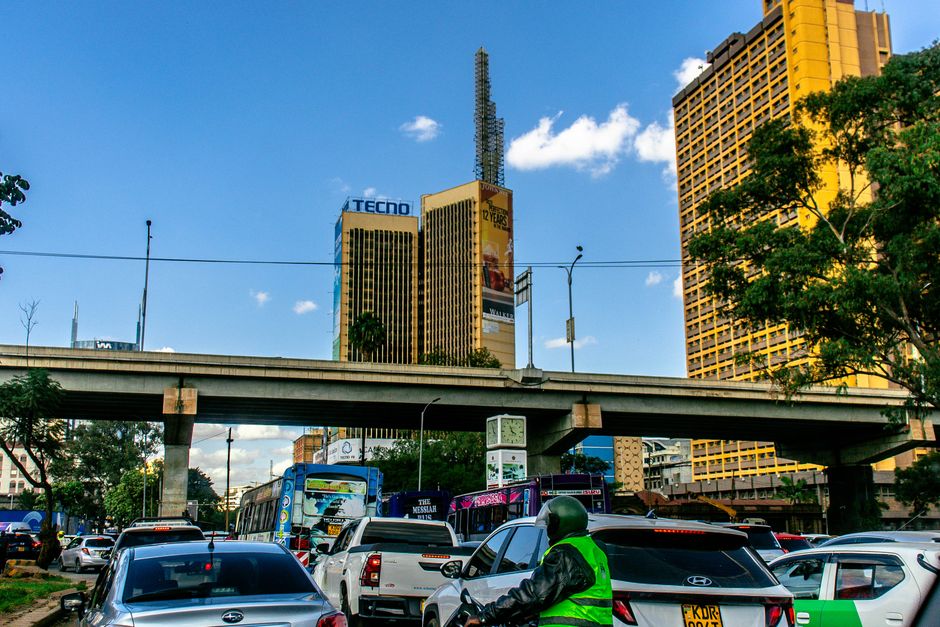
Nairobi stands at a pivotal moment. With the city's population projected to swell to 6 million by 2035—up from 4.4 million today—environmental pressures are mounting faster than solutions. The decisions made over the next 18 months will determine whether the capital becomes a model of sustainable growth or succumbs to the waste management crises, water scarcity, and air pollution that already plague neighbourhoods from Kibera to Eastleigh.
The most immediate challenge concerns waste. Nairobi generates approximately 14,000 tonnes of solid waste daily, yet the city's three primary dumpsites—Dandora, Muthaiga, and Nyanza—are operating at or beyond capacity. The Nairobi City County's decision this July on whether to pursue an incinerator at Dandora or invest heavily in recycling infrastructure will ripple through communities for decades. Residents in Eastleigh and Makadara, already bearing the brunt of toxic landfill proximity, are watching closely.
Water management presents the second critical fork in the road. Nairobi Water and Sewerage Company's ageing infrastructure loses 50 per cent of treated water to leaks—a staggering waste in a city where residents in informal settlements pay 300-400 shillings for 20 litres from private vendors. The board must decide whether to allocate the promised 15 billion shillings for pipe rehabilitation or continue patching systems that fail predictably each dry season.
Perhaps most visibly, transport infrastructure will shape the city's carbon footprint and livability. The completion of the Southern Bypass and ongoing Nairobi Expressway have reduced congestion marginally, but peak-hour traffic from Westlands to Nairobi West still crawls at 12 kilometres per hour. City planners face a defining choice: expand road networks further, or accelerate the stalled Bus Rapid Transit system and complete missing Metro rail sections to central business district stations.
The Kenya Wildlife Service and county government must also resolve competing land-use priorities. Nairobi National Park's boundary shrinks annually as development pressure intensifies. Decisions on urban forest expansion—particularly along the Mathare River and within South C—will influence both air quality and flooding resilience.
Industry voices, environmental NGOs, and residents' associations have submitted competing proposals to the Nairobi County Assembly. Public hearings scheduled for mid-July will test whether stakeholders can forge consensus or whether city hall proceeds with piecemeal interventions.
The clock is ticking. Failure to act decisively risks entrenching the crises that already undermine the city's competitiveness and livability. Success requires political courage and coordinated action.
This article was compiled by AI from the sources linked above and screened before publishing. See our editorial standards.