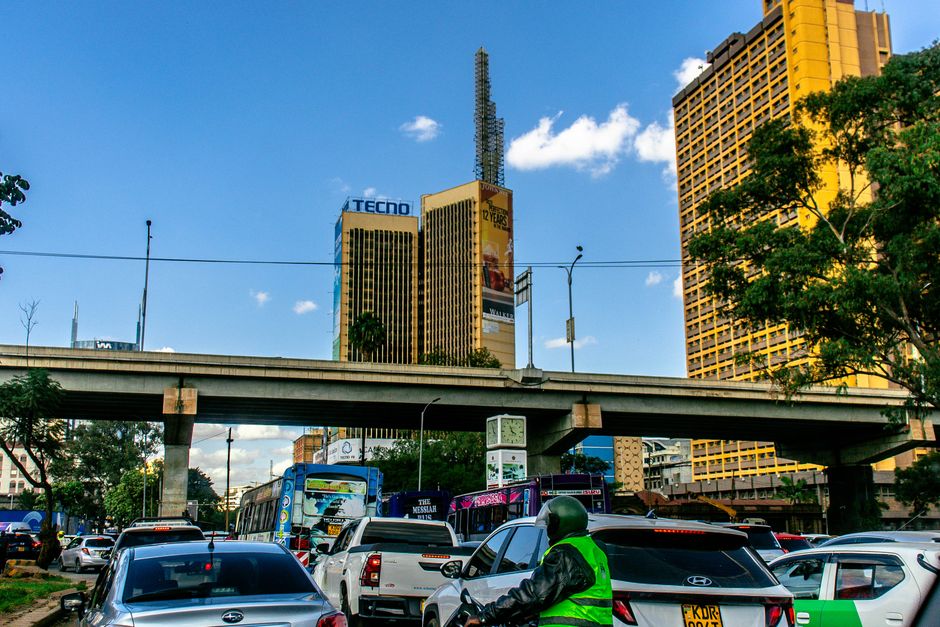
As gridlock continues to strangle commuter flow along the Nairobi-Thika Superhighway and Mombasa Road, city officials and policy experts are intensifying their push for comprehensive transport reforms that could reshape how millions of residents navigate the capital by 2027.
The Nairobi County Department of Transport and Infrastructure has signalled backing for an expanded Bus Rapid Transit (BRT) network extending into underserved zones like Mathare and Kawangware, with initial feasibility studies already underway. Transport analysts have flagged the current commuting cost burden—averaging Sh400-600 daily for residents relying on matatu networks—as unsustainable, particularly for informal settlement dwellers whose income volatility makes transport expenses precarious.
Key figures within the city administration and civil society have highlighted the bottleneck around the Central Business District's chokepoints. The parking crisis on Tom Mboya Street and the congestion at the General Post Office roundabout remain focal points for redesign proposals that prioritise pedestrian flow and cyclist safety alongside vehicular movement.
Development experts from the University of Nairobi's Urban Development Institute have advocated for integrated land-use planning that reduces transport demand through mixed-use development hubs in emerging areas like Westlands and the Gigiri corridor. Their research suggests that decentralising commercial activity could reduce cross-city commutes by up to 25 percent within five years.
Meanwhile, business community leaders representing traders across River Road and the Industrial Area have stressed the economic cost of transport inefficiency. Supply chain delays and increased logistics expenses are eating into profit margins, particularly for small and medium enterprises already squeezed by rising operational costs.
Officials from the Nairobi Metropolitan Services—responsible for major city infrastructure—have committed to accelerated completion of the James Gichuru Road expansion project, scheduled to ease congestion on the westbound corridor by mid-2027. However, questions remain about last-mile connectivity solutions that would link trunk roads to residential areas efficiently.
County government representatives have also acknowledged the need for transparent stakeholder engagement, announcing a series of public forums scheduled for July and August at venues including Safari Park Hotel and the Safari Lounge in Westlands to gather community input before finalising the transport master plan.
The consensus among these varied voices underscores growing recognition that Nairobi's transport crisis demands multifaceted intervention—technological, infrastructural, and spatial—rather than piecemeal fixes. How swiftly officials can translate these recommendations into actionable policy will largely determine whether commuters experience meaningful relief or continued frustration on city roads.
This article was compiled by AI from the sources linked above and screened before publishing. See our editorial standards.