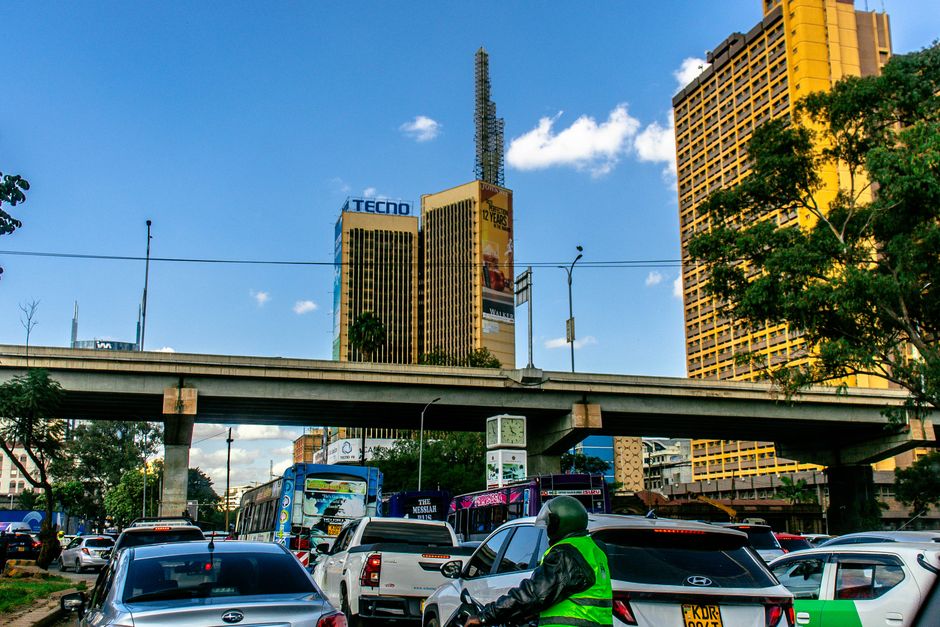
Walking through Eastleigh on a Tuesday afternoon, you encounter at least seven languages before lunch. Somali shopkeepers call out prices in English, Chinese investors examine warehouse spaces, and South Sudanese entrepreneurs operate mobile money services from converted shipping containers. This is Nairobi's multicultural reality in 2026—a city hosting an estimated 140,000 registered refugees alongside tens of thousands of economic migrants, all navigating a city struggling to formalize integration frameworks that other major global hubs have already standardized.
Unlike Toronto or Melbourne, which have established dedicated immigrant settlement agencies with predictable funding and integration pathways, Nairobi's approach remains fragmented. The city relies heavily on NGOs like the IRC operating from Parklands and Nairobi itself lacks a municipal-level integration office. "We have exceptional grassroots networks," says a researcher at the University of Nairobi's Institute for Development Studies, "but no coherent city strategy." Meanwhile, housing costs in areas like Kilimani and Westlands have climbed 34 percent since 2023, pricing out many migrants who cluster instead in Mathare, Korogocho, and Embakasi—creating de facto segregation eerily similar to challenges documented in Berlin and Athens.
The comparison cuts both ways. Nairobi's informal economy—the jua kali sector that dominates streets from River Road to the Industrial Area—has proven more absorptive than many Northern Hemisphere cities. Migrants find work faster here, albeit often in precarious conditions. A Congolese trader operating from a stall near Gikomba Market earns roughly 800 shillings daily; comparable informal work in Paris suburbs yields similar survival income but with greater legal vulnerability. Yet Nairobi lacks employment protection standards that cities like Singapore enforce, leaving workers exposed.
Education presents another flashpoint. While Nairobi schools in affluent zones like Karen and Westlands increasingly serve expatriate and mixed-heritage populations, public schools in Nairobi West and Kawangware struggle with overcrowding and limited ESL support—a gap London and Amsterdam began closing two decades ago through dedicated language programs.
Perhaps most significantly, Nairobi's success lies in its pragmatism rather than policy. The city tolerates informal housing and business arrangements that formal cities penalize, creating space for rapid adaptation. But experts warn this informality masks deeper integration failures. Without systematic data collection, credential recognition frameworks, or accessible healthcare culturally tailored to migrant communities, Nairobi risks replicating the marginalization patterns that plague Paris's banlieues and Stockholm's outer districts.
As Nairobi positions itself as Africa's global city, the question facing its leadership is whether informal integration can sustain—or whether the city must finally build the formal structures that international experience suggests cannot remain absent indefinitely.
This article was compiled by AI from the sources linked above and screened before publishing. See our editorial standards.