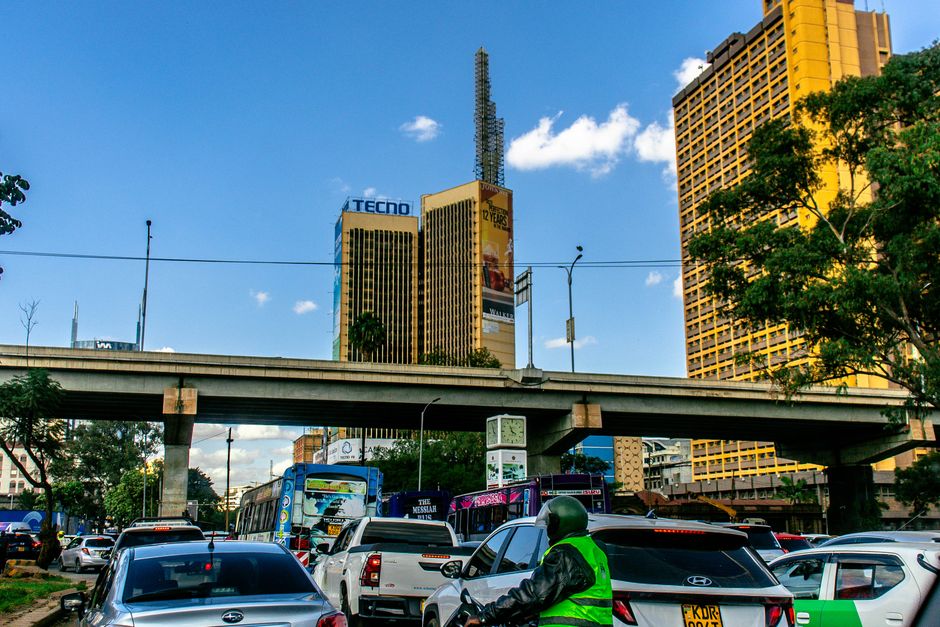
Nairobi's commitment to environmental sustainability has intensified in recent years, yet the capital remains caught between ambitious targets and on-the-ground execution challenges that distinguish it from faster-moving peers across Africa and beyond.
The city's 2023 Climate Action Plan sets a net-zero emissions target by 2050, positioning Nairobi alongside major global cities. However, implementation in sprawling neighbourhoods like Kibera and Mathare—where informal waste management persists—lags behind structured initiatives in relatively compact cities like Cape Town and Rwanda's capital Kigali, which have achieved higher recycling rates through centralized systems.
Nairobi's plastic ban, enforced since 2017, marked an early win. Yet single-use plastic persists at markets along Muindi Mbingu Street and in sprawling shopping centres, suggesting enforcement gaps. By contrast, cities like Singapore and Copenhagen have achieved near-total compliance through stricter penalties and alternative infrastructure investment.
The Nairobi Metropolitan Area's public transport transformation offers a brighter picture. The Bus Rapid Transit (BRT) system, operational since 2022, has moved over 2 million commuters monthly away from private vehicles—a comparable achievement to Bogotá's established TransMilenio. However, Nairobi's BRT covers only 24 kilometres of the metropolitan area's sprawling geography, while similar cities have expanded to 150+ kilometres. Fares averaging Ksh 50 remain accessible, yet frequency issues plague commuter reliability.
Urban green spaces reveal starker contrasts. While Nairobi's Central Park project and expanded Uhuru Park improvements signal progress, the city allocates roughly 6 per cent of land to green zones—below global standards of 9-15 per cent maintained in cities like Barcelona and Melbourne. Tree-planting initiatives by organizations like the Green Belt Movement have added over 60 million trees nationally, yet urban canopy coverage in central Nairobi remains under 10 per cent.
Water management represents another critical test. The Nairobi Water and Sewerage Company's infrastructure struggles—with water loss reaching 50 per cent through leakages—dwarf challenges faced by Johannesburg or Dar es Salaam, where targeted infrastructure investment has reduced losses to 35-40 per cent ranges.
Energy transition efforts show promise. Solar installations across residential areas in Kilimani and Westlands have grown steadily, yet renewable energy accounts for only 12 per cent of the city's consumption, compared to Cape Town's 25 per cent and Denmark's leading 80 per cent. Kenya's hydroelectric reliance offers potential but demands sustained investment.
Experts note that Nairobi's sustainability challenge differs fundamentally from wealthier global peers: rapid urbanization, limited municipal budgets, and competing development priorities complicate implementation. Yet cities like Kigali have demonstrated that scale and wealth need not determine ambition. Nairobi's success will depend on closing the gap between policy and street-level reality across its sprawling metropolitan expanse.
This article was compiled by AI from the sources linked above and screened before publishing. See our editorial standards.