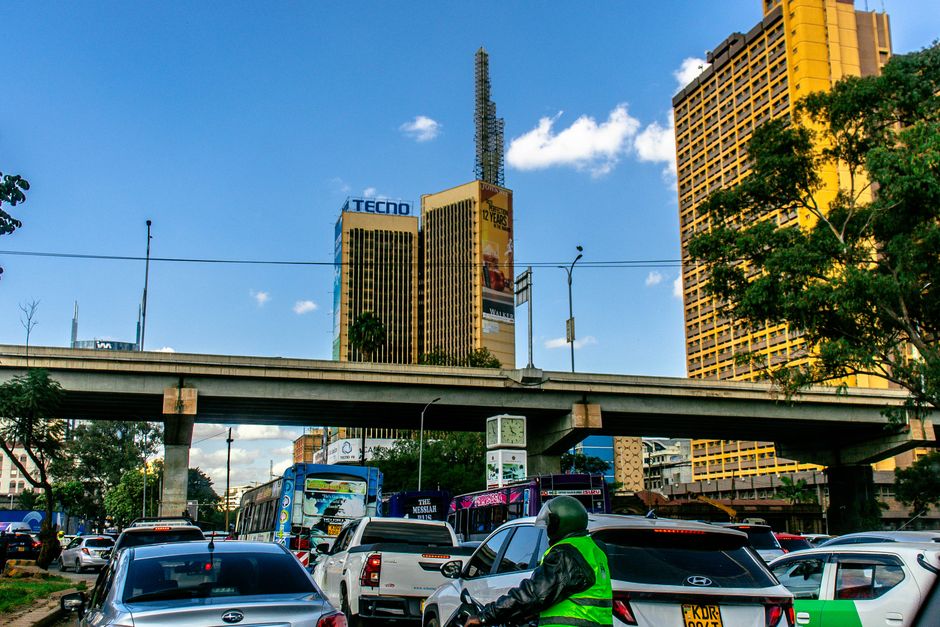
With rush-hour congestion on Uhuru Highway stretching past two hours and commuter frustration mounting across the city, Nairobi's transport leadership is recalibrating its vision for the next phase of urban mobility—and what they're saying publicly suggests a significant shift in strategy.
The Standard Gauge Railway, which cost taxpayers over Sh5 trillion when it opened in 2017, continues to operate at a loss, carrying far fewer passengers than initially projected. Officials at the Kenya Railways Corporation have quietly acknowledged that mega-projects of this scale face sustainability challenges in the Nairobi context, hinting instead at a focus on Bus Rapid Transit corridors and last-mile connectivity solutions.
Meanwhile, the Nairobi Expressway—the 16.7-kilometre tolled route from Mlolongo to Westlands that launched in 2022—has become a focal point for debate among transport economists. While it has reduced travel times for toll-paying users, critics argue it has exacerbated congestion on parallel routes like Mombasa Road and the Southern Bypass, where traffic has intensified as lower-income commuters seek free alternatives.
Speaking to concerns about equity and accessibility, transport policy experts at the University of Nairobi's Institute for Development Studies have urged policymakers to prioritise affordable mass transit over premium toll corridors. Their recent research suggests that dedicated bus lanes on corridors serving high-density estates like Mathare, Kibera, and Eastleigh would yield greater returns in congestion reduction per shilling spent than additional expressways.
The Nairobi Metropolitan Services and the Transport and Infrastructure Cabinet have signalled receptiveness to these arguments, with officials indicating that a new Bus Rapid Transit system targeting the Nairobi-Thika Super Highway corridor could break ground within 18 months. Such a system would serve an estimated 200,000 commuters daily, significantly more than the expressway's current throughput.
Road safety advocates have also weighed in, noting that Nairobi's fatality rate on major thoroughfares remains among East Africa's highest. They're calling for officials to embed safety audits and cyclist infrastructure into all future transport planning—a recommendation gaining traction in City Hall corridors.
As the city grapples with population growth projected to exceed 5 million by 2030, what transport officials and experts say next will shape whether Nairobi's commuting future remains fractured between express routes for the wealthy and congested free roads for the majority, or whether equitable, integrated networks can finally take root.
This article was compiled by AI from the sources linked above and screened before publishing. See our editorial standards.