When gunshots erupted outside a popular nightclub in Westlands last month, it took police 23 minutes to arrive at the scene. By then, two people lay wounded, and the shooter had vanished into the congested streets. For residents in Kenya's capital, this delay is disturbingly common—and increasingly dangerous.
The Nairobi Police Service data for the first half of 2026 reveals a troubling pattern. Average police response times in high-density areas like Mathare, Kibra, and even middle-class neighbourhoods such as Kilimani now exceed 20 minutes during peak hours. In emergency situations, every minute matters. Medical professionals warn that trauma victims can deteriorate rapidly; delays in reaching hospitals like Kenyatta National Hospital or The Nairobi Hospital can mean the difference between recovery and permanent disability.
The problem extends beyond police. Kenya Red Cross ambulances serving the greater Nairobi area report that call volumes have surged 34 percent since January, while fleet capacity has remained stagnant. Residents in peripheral zones like Embakasi and Kasarani often wait 40 minutes or longer for emergency medical transport. "We're stretched thin," one paramedic working the Eastleigh corridor explained, speaking on condition of anonymity.
For business owners and residents, the ripple effects are severe. Insurance premiums in high-crime zones like certain sections of the Central Business District have risen by 15-20 percent. Shop owners along Moi Avenue and Tom Mboya Street report increased security expenditures, with private guards now costing upwards of 1,500 Kenyan shillings per shift. Parents increasingly question whether it's safe for children to commute to schools in Nairobi after dark, while evening foot traffic in areas like Karen and Lavington has noticeably declined.
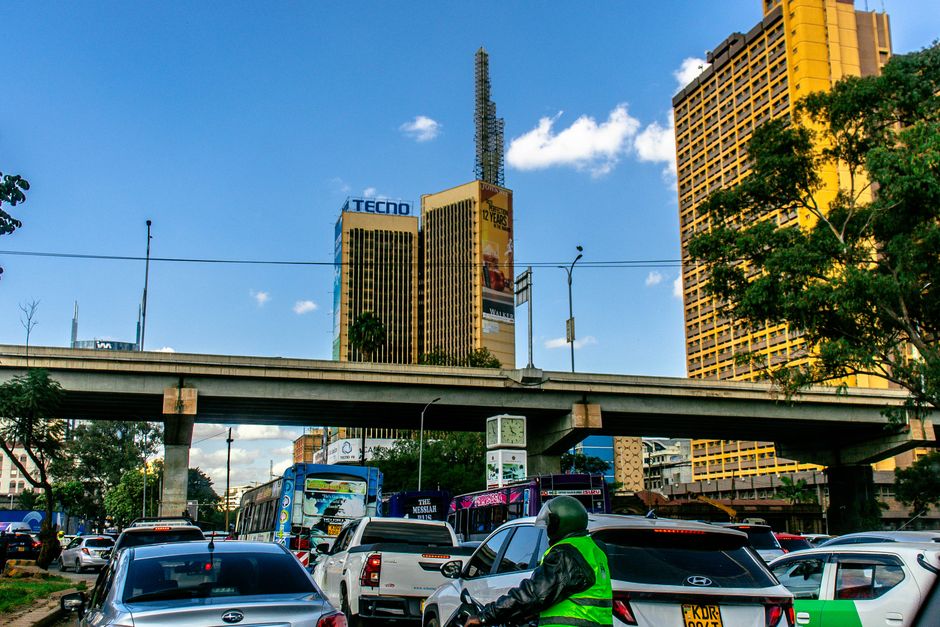
The breakdown isn't accidental. Police budgets remain constrained, with fewer vehicles and officers per capita than comparable African cities. The Nairobi Metropolitan Police Service faces chronic understaffing, while Kenya Red Cross relies heavily on donor funding. Meanwhile, the city's infrastructure—potholed roads and traffic congestion—compounds response delays.
Community leaders are demanding action. The Nairobi Residents Association has called for dedicated emergency lanes on major thoroughfares, increased police patrols, and real-time crime reporting systems. Some neighbourhoods have begun funding their own rapid-response initiatives, highlighting just how far public confidence has eroded.
Without urgent intervention, these gaps will continue widening. The question for residents is no longer whether crime will reach your street—it's whether help will arrive in time.
This article was compiled by AI from the sources linked above and screened before publishing. See our editorial standards.