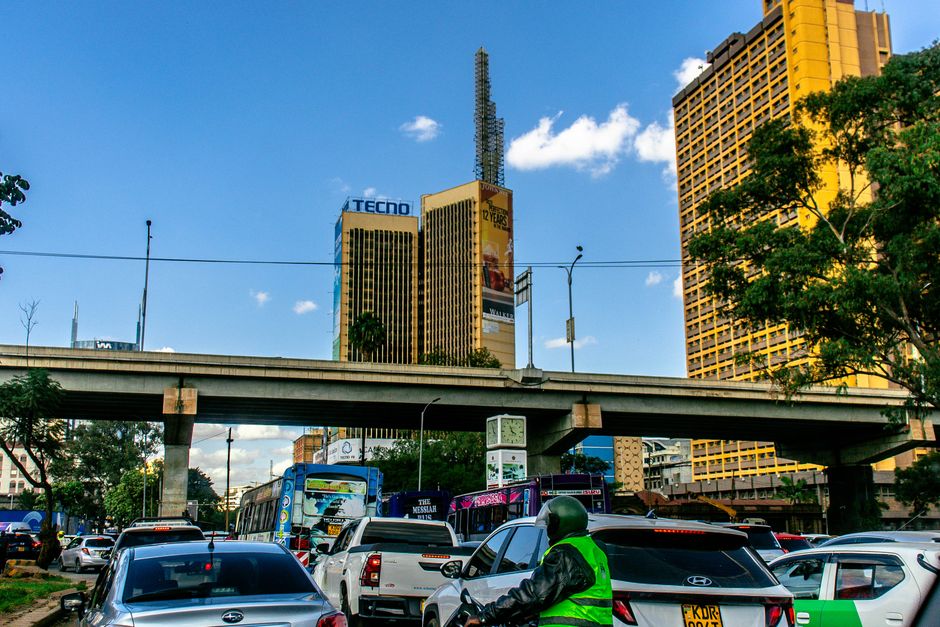
Nairobi's Green Future Hinges on What City Leaders Are Saying About Waste and Water
As the capital grapples with mounting environmental pressures, officials and experts outline competing visions for sustainability—and the stakes are high.
As the capital grapples with mounting environmental pressures, officials and experts outline competing visions for sustainability—and the stakes are high.
Nairobi's environmental crisis has reached a critical juncture, with city planners, conservation experts, and government officials now locked in serious conversations about waste management, water scarcity, and urban green space—conversations that will shape the capital's trajectory for decades.
Speaking at a recent forum in Westlands, senior officials from the Nairobi City County acknowledged that the city's three major landfills are operating beyond capacity. The Dandora dumpsite, which serves over 4 million residents, processes approximately 2,000 tonnes of waste daily, yet receives minimal investment in modern recycling infrastructure. County environmental officers have begun advocating for decentralised waste management systems, though budgetary constraints remain a persistent challenge.
The water crisis affecting areas from Kibera to Karen has prompted urgent dialogue among hydrologists and city engineers. Recent assessments reveal that Nairobi's water demand exceeds supply by nearly 40 percent during dry seasons, forcing rationing across residential and commercial zones. Officials have begun discussing ambitious pipeline rehabilitation projects and rainwater harvesting mandates for new developments, though implementation timelines remain vague.
At the same time, conservation groups operating from offices along Limuru Road have pushed back against what they describe as insufficient commitment to green infrastructure. They point to the loss of wetlands in South B and industrial encroachment on the Nairobi River corridor as examples of regulatory failures. Environmental advocates argue that the city needs binding ordinances, not voluntary guidelines, to protect critical ecosystems.
Interestingly, some private sector voices have emerged as unexpected champions of sustainability. Real estate developers operating in areas like Runda and Kilimani have begun incorporating rooftop gardens and solar installations into projects, citing both regulatory pressure and growing consumer demand for green features. One prominent development authority representative recently stated publicly that sustainable building practices are becoming essential for market competitiveness.
Yet scepticism persists among grassroots environmental activists in informal settlements. Community leaders in Mathare and Korogocho argue that sustainability initiatives often bypass the poorest residents, who bear the heaviest environmental burdens but receive minimal benefits from green projects. They're calling for more inclusive planning processes.
As Nairobi heads toward critical infrastructure decisions in the coming fiscal year, what officials and experts say now will determine whether the capital can balance growth with environmental responsibility. The consensus appears to be growing that action is urgent—though agreement on solutions remains fragmented.
This article was compiled by AI from the sources linked above and screened before publishing. See our editorial standards.
How does this story make you feel?
Spread the word
About this article
Published by The Daily Nairobi
Daily brief
Free, in your inbox before 7am. Weekdays.
More in News