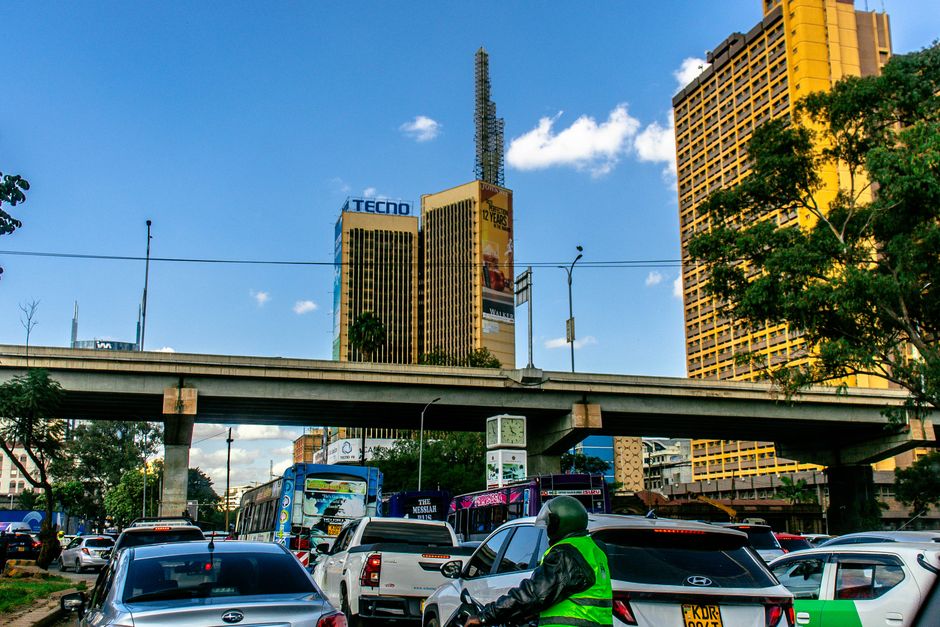
Nairobi's multicultural fabric—woven together in the cafés of Westlands, the markets of Eastleigh, and the corporate towers along Limuru Road—stands at a pivotal moment. As geopolitical tensions simmer from Venezuela to the Democratic Republic of Congo, and economic uncertainties reshape global migration patterns, Kenya's capital faces critical decisions about how to accommodate and integrate its expanding foreign-born population.
The numbers tell a compelling story. Current estimates suggest roughly 250,000 foreign nationals call Nairobi home, with significant populations from Somalia, Uganda, Ethiopia, Pakistan, and increasingly from Western nations seeking East Africa's emerging opportunities. Yet infrastructure, housing, and social services remain strained. A modest two-bedroom apartment in Kilimani now averages 45,000 Shillings monthly—pricing out many newcomers and forcing communities further into satellite areas like Ongata Rongai and Syokimau.
The immediate challenge centres on three fronts. First, the Kenyan government must clarify its stance on work permits and residency extensions, particularly for skilled migrants in the tech and finance sectors who generate substantial tax revenue. Second, refugee resettlement protocols require urgent review as displacement crises multiply globally. The Department of Refugee Affairs at the UNHCR offices in Gigiri acknowledge growing backlogs. Third, integration programmes—language training, credential recognition, and community liaison—remain inadequate across Nairobi County.
Community leaders operating from venues like the Nairobi International Centre and grassroots organisations in Kawangware emphasise that decisions made in coming months will define whether Nairobi remains an inclusive hub or becomes increasingly fragmented. "We're at a fork in the road," notes the perspective of long-standing immigrant advocacy groups, pointing to examples of successful integration in cities like Toronto and Dubai that Kenya could learn from.
The business community, particularly along the Nairobi Stock Exchange corridor, has signalled support for clearer immigration frameworks that attract talent. Simultaneously, local residents in densely populated areas voice concerns about housing pressure and resource allocation.
Government officials have indicated that a comprehensive immigration policy review will conclude by September 2026. The outcome will determine whether work visa processing accelerates, whether refugee quotas adjust, and crucially, whether integration budgets increase. These decisions carry weight far beyond bureaucracy—they will shape whether Nairobi's communities thrive together or drift apart, and whether the city's reputation as Africa's most cosmopolitan capital can be sustained amid global upheaval.
This article was compiled by AI from the sources linked above and screened before publishing. See our editorial standards.