Nairobi's Transport Crisis: How Decades of Neglect Led to Today's Gridlock
From colonial rail lines to stalled expressway projects, the capital's infrastructure challenges reflect years of deferred decisions and competing visions for growth.
From colonial rail lines to stalled expressway projects, the capital's infrastructure challenges reflect years of deferred decisions and competing visions for growth.
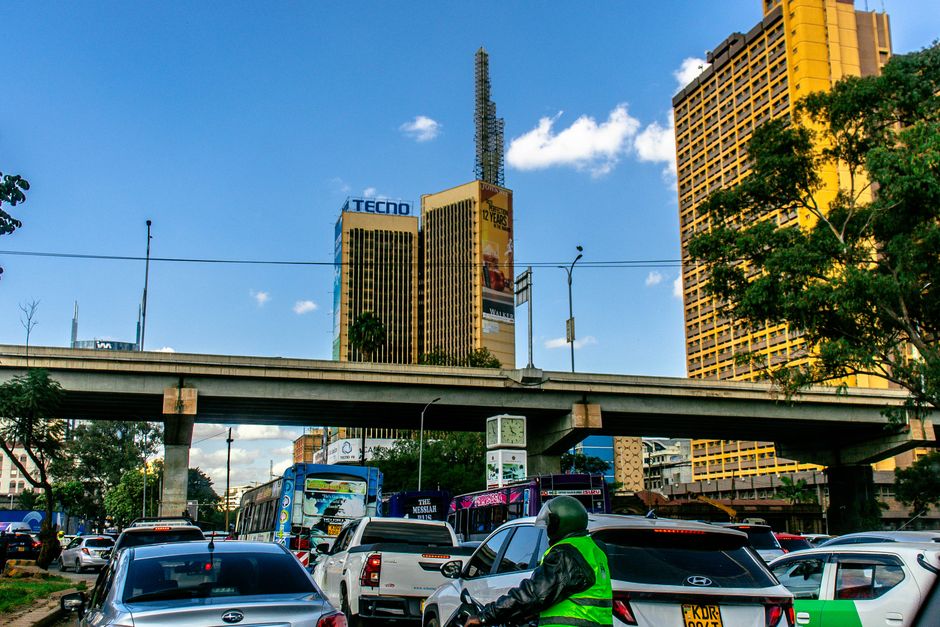
Drive along Mombasa Road during rush hour and you'll encounter the physical manifestation of Nairobi's infrastructure paradox: a city that has grown faster than its bones can bear. The gridlock that now chokes commuters for three hours daily isn't sudden—it's the inevitable result of three decades of misaligned priorities, underinvestment, and projects that consistently missed their deadlines.
The roots run deep into the 1990s, when Nairobi's population hovered around 1.5 million. Today, that figure exceeds 5 million, yet the road network has barely expanded proportionally. The city still relies heavily on colonial-era infrastructure: the Standard Gauge Railway corridor that once connected the coast to Uganda remains the backbone of goods movement, though it now shares space with millions of vehicles it was never designed to accommodate.
The Nairobi Expressway, which finally opened in August 2022 after years of delays, represents both progress and the painful recognition of what should have happened decades earlier. The project cost Ksh 88 billion and promised to cut travel times on the Westlands-Mlolongo stretch by half. Yet even this flagship initiative couldn't address the fundamental problem: insufficient arterial routes. The Southern Bypass, desperately needed to divert traffic from the industrial heartland of Eastleigh and Outering Road, remains perpetually under discussion.
Contributing to the crisis is the fragmented governance structure. The Nairobi City County, the National Treasury, and multiple national agencies—each with different timelines and budgets—have struggled to coordinate. Meanwhile, informal settlements across Kibera, Mathare, and Mukuru have grown to accommodate workers with no corresponding investment in local transport solutions. The matatu system, carrying over 60% of daily commuters, operates without modern infrastructure, forcing minibuses onto streets designed for half the traffic they now bear.
Public transit investment tells a cautionary tale. The Standard Gauge Railway, completed in 2017 at a cost exceeding Ksh 300 billion, has never achieved projected passenger volumes, partly due to route inefficiency and high fares. This failure should have prompted immediate review and alternative solutions, yet Nairobi's bus rapid transit system remains underdeveloped compared to cities like Lagos and Dar es Salaam.
As pressure mounts for solutions—the World Bank estimates Kenya loses Ksh 6 billion annually to traffic congestion—new projects like the Nairobi Ring Road and proposed metro system are finally advancing. But these arrive not as visionary planning, but as crisis management. For residents spending four hours commuting between the suburbs and Central Business District, understanding how we got here is cold comfort. The question now is whether Nairobi can finally act at the speed its growth demands.
This article was compiled by AI from the sources linked above and screened before publishing. See our editorial standards.
How does this story make you feel?
Spread the word
About this article
Published by The Daily Nairobi
Daily brief
Free, in your inbox before 7am. Weekdays.
More in News