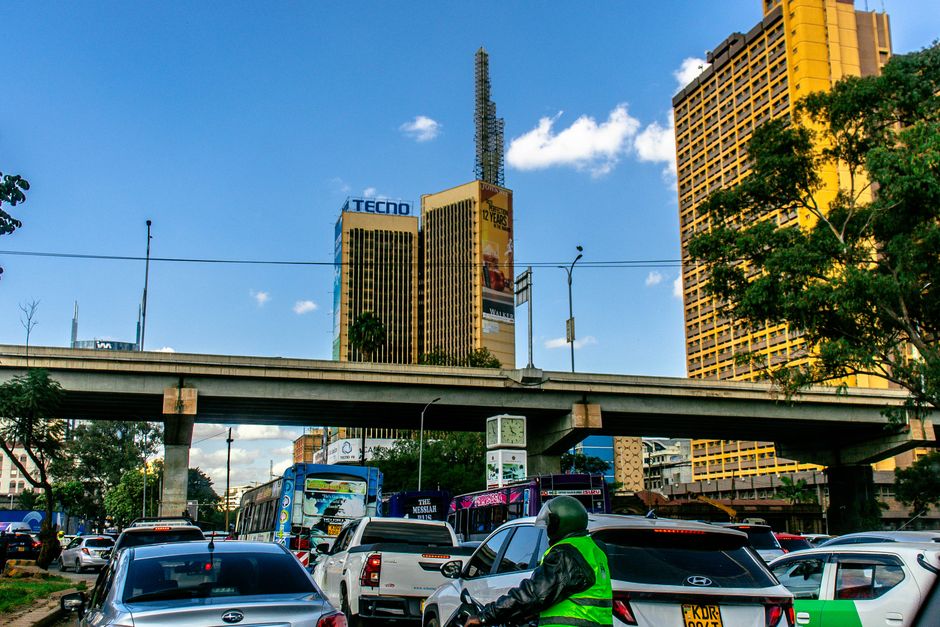
Nairobi stands at an environmental inflection point. The city's push to become East Africa's sustainability leader faces a crucial juncture, with three interconnected decisions looming that will determine whether recent gains translate into lasting transformation or fade into another cycle of unfulfilled promises.
The most pressing issue concerns the expansion of waste management infrastructure. Currently, the Dandora and Kitui dumpsites process roughly 2,200 tonnes of waste daily—a figure that has grown 40 percent since 2020 as the city's population edges toward 5 million. City Hall and the National Treasury are negotiating financing for a new waste-to-energy facility in the Athi River area, but disagreements persist over operational models and community compensation. A decision is expected by September, yet without clarity on private sector involvement and tariff structures, implementation timelines remain murky.
The second critical frontier involves transport emissions. Nairobi contributes approximately 35 percent of Kenya's urban transport emissions, with matatus and private vehicles clogging corridors from Nairobi CBD to Westlands during peak hours. The Nairobi Metropolitan Services and the county government remain deadlocked over funding the final phase of the Bus Rapid Transit system on the Outer Ring Road. Sources indicate a KES 18 billion gap that neither entity is eager to bridge before the 2027 budget cycle, effectively delaying the project by 18 months and frustrating commuters already choking on exhaust fumes.
Green building standards present the third major juncture. The Energy and Petroleum Regulatory Authority has proposed mandatory energy efficiency audits for all commercial properties over 5,000 square meters, affecting hundreds of offices in Westlands, Upper Hill, and the CBD. Real estate developers argue compliance costs are prohibitive; environmental advocates say they're essential to trim the sector's carbon footprint by 25 percent. The final regulation drops in August.
What distinguishes this moment from previous environmental initiatives is the involvement of diaspora investors and multinational firms eyeing Nairobi as a green tech hub. Several Silicon Valley-backed startups have launched in the IHub and Co-creation Hub spaces, targeting waste logistics and renewable energy solutions. However, they require policy certainty that the city has historically failed to provide.
The next 100 days will reveal whether Nairobi's environmental movement has matured beyond rhetoric. City Hall must move decisively on waste financing, transport funding, and building standards. Delay risks squandering momentum—and deepening the air quality crisis that already costs the city an estimated 8,000 premature deaths annually.
This article was compiled by AI from the sources linked above and screened before publishing. See our editorial standards.