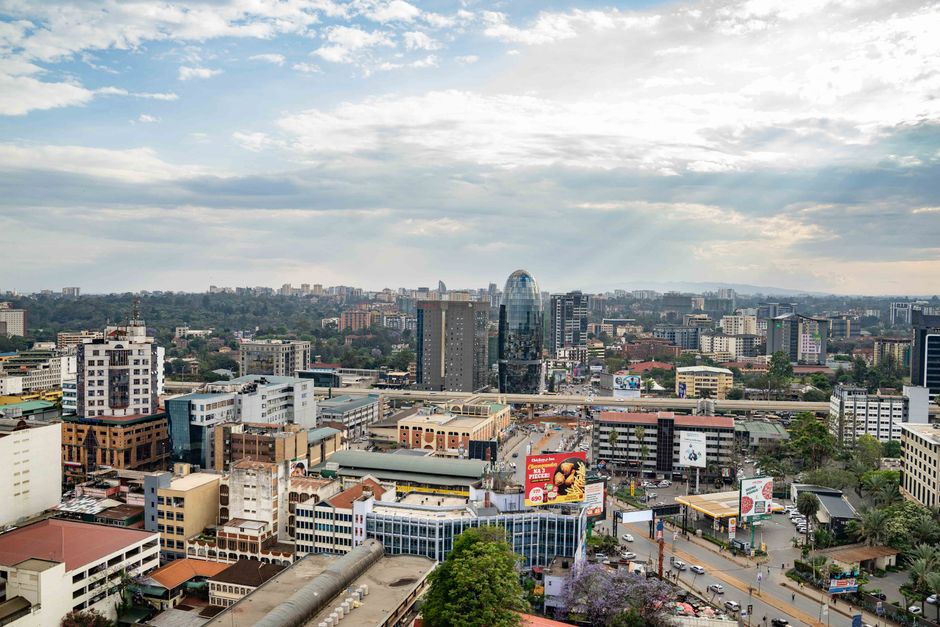
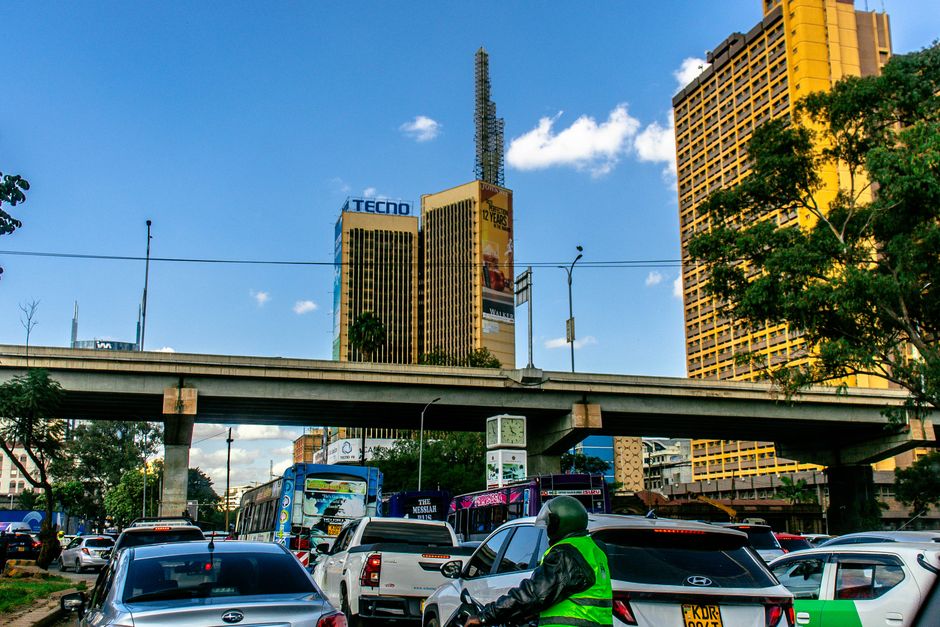
The Nairobi Expressway opened to fanfare in 2022, cutting travel time from the Central Business District to Jomo Kenyatta International Airport from 45 minutes to just 20. It was a watershed moment—proof that Nairobi could deliver world-class infrastructure. Yet as the city looks ahead to 2026 and beyond, the question haunting urban planners is whether this achievement can be replicated at scale, or if the capital risks falling further behind peers in Lagos, Cairo, and Casablanca.
The parallels are instructive. Lagos's ongoing Bus Rapid Transit expansion and Cairo's New Administrative Capital projects, though plagued by their own delays, represent continental ambition on a scale Nairobi has yet to match. Meanwhile, Addis Ababa's light rail network—operational since 2015—carries over 100,000 passengers daily across 34 kilometres. Nairobi's Standard Gauge Railway, launched in 2017 with much ceremony, has become a cautionary tale: operating at significant losses, it generated just 3.2 billion shillings in revenue against 4.8 billion in annual operating costs last fiscal year.
The city's response has been characteristically mixed. The Nairobi Metropolitan Railway, a proposed network connecting suburbs like Westlands, Karen, and Embakasi, remains in planning stages despite initial announcements in 2021. The Thika Superhighway, completed in 2012, transformed commute patterns northward, yet congestion persists on Mombasa Road and the Langata bypass—infrastructure built a decade ago already straining under population growth.
What sets Nairobi apart, observers note, is its reliance on private-public partnerships rather than state-led mega-projects. The Expressway model—funded primarily through private investment—avoids the debt burden crushing other African capitals. Yet it also means transport infrastructure follows profit logic rather than equity. Crossing the Expressway costs 350 shillings; for a Nairobi worker earning minimum wage, that's nearly 2 percent of daily income.
City officials point to the Ring Road upgrade and the recently launched Bus Rapid Transit corridors as evidence of progress. The BRT system, operating along Select corridors and eventually planned for Nairobi's inner core, costs passengers 100 shillings—a fraction of taxi fares—but its rollout has been slower than comparable systems in Dar es Salaam and Kigali.
The real test lies in whether Nairobi can sustain momentum. With the African Development Bank and World Bank increasing infrastructure financing across the continent, cities that demonstrate competence in execution secure larger allocations. Nairobi's challenge is simple but daunting: prove the Expressway was not an outlier, but a template for what Kenya's capital can become.
This article was compiled by AI from the sources linked above and screened before publishing. See our editorial standards.