Nairobi's Green Push: How Kenya's Capital Stacks Up Against Global Sustainability Leaders
As cities worldwide race to meet climate targets, Nairobi is carving its own path—with mixed results that reveal both promise and persistent challenges.
As cities worldwide race to meet climate targets, Nairobi is carving its own path—with mixed results that reveal both promise and persistent challenges.
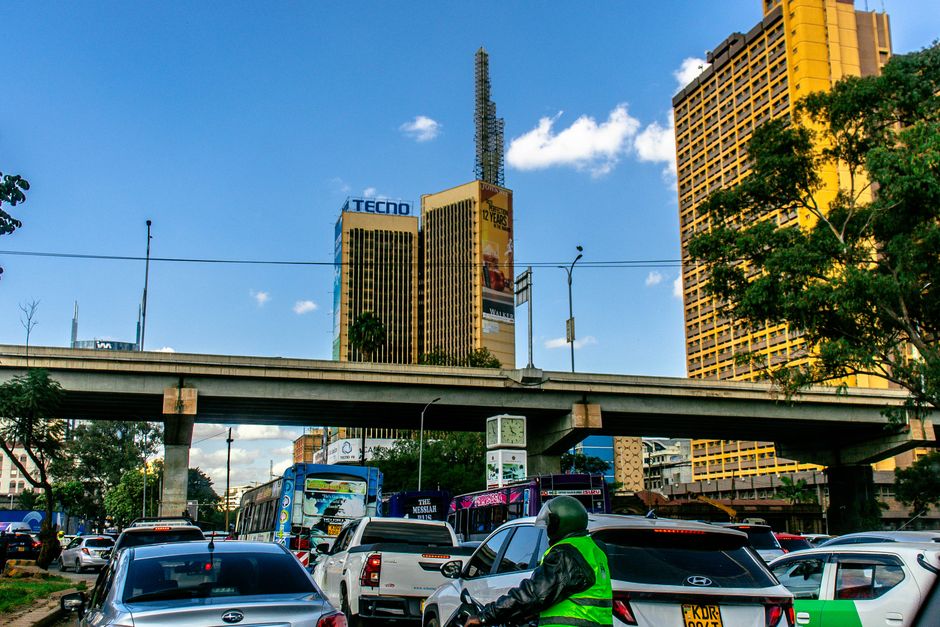
Walking through Westlands on a smog-heavy morning, it's easy to miss the quiet revolution happening in Nairobi's approach to environmental sustainability. While global cities like Copenhagen and Singapore dominate green city rankings, Kenya's capital is mounting its own campaign—one that reflects distinctly local pressures and priorities.
The city's most visible initiative is the plastic ban enforcement, now in its eighth year. The prohibition on single-use plastics has reshaped commerce across Nairobi's central business district and sprawling suburbs. Yet the impact remains uneven. A 2025 audit found that 60% of informal traders in Kibera and Mathare still relied on banned materials due to lack of affordable alternatives—a gap that Copenhagen's comprehensive waste management infrastructure has largely closed.
Nairobi's tree-planting programme, launched through partnerships with environmental NGOs, has added over 2 million trees since 2020, significantly outpacing per-capita efforts in many African peer cities. However, sustainability experts note the initiative pales beside Singapore's vertical gardens strategy or even Kigali's intensive urban forestry. Nairobi's green cover remains concentrated in wealthy enclaves like Karen and Muthaiga, while densely-populated areas around Eastleigh and Kasarani struggle with air quality that frequently exceeds WHO safety thresholds.
Water management presents perhaps the starkeest contrast with global leaders. While cities like Amsterdam have pioneered circular water systems, Nairobi continues losing roughly 45% of piped water to leaks—a figure that represents both infrastructure weakness and untapped sustainability potential. The Nairobi Water and Sewerage Company's recent leak-detection programme shows promise, but progress remains glacial compared to Singapore's near-total system efficiency.
Public transport offers a brighter picture. Nairobi's Bus Rapid Transit system, while modest compared to Beijing's sprawling metro, has reportedly removed over 100,000 private vehicles from roads since its 2023 expansion. The city's nascent electric vehicle charging infrastructure along Mombasa Road marks incremental progress toward decarbonisation—still far behind Copenhagen's 63% electric vehicle penetration, but noteworthy for East Africa.
The critical difference lies not in ambition but execution. Global sustainability leaders benefit from decades of institutional infrastructure and financing. Nairobi's initiatives, often championed by civil society rather than government machinery, succeed against odds that cities like Copenhagen simply don't face. As climate pressures intensify, the question isn't whether Nairobi can match global benchmarks—it's whether the city can develop homegrown solutions that work within local realities while still meeting urgent environmental imperatives.
This article was compiled by AI from the sources linked above and screened before publishing. See our editorial standards.
How does this story make you feel?
Spread the word
About this article
Published by The Daily Nairobi
Daily brief
Free, in your inbox before 7am. Weekdays.
More in News