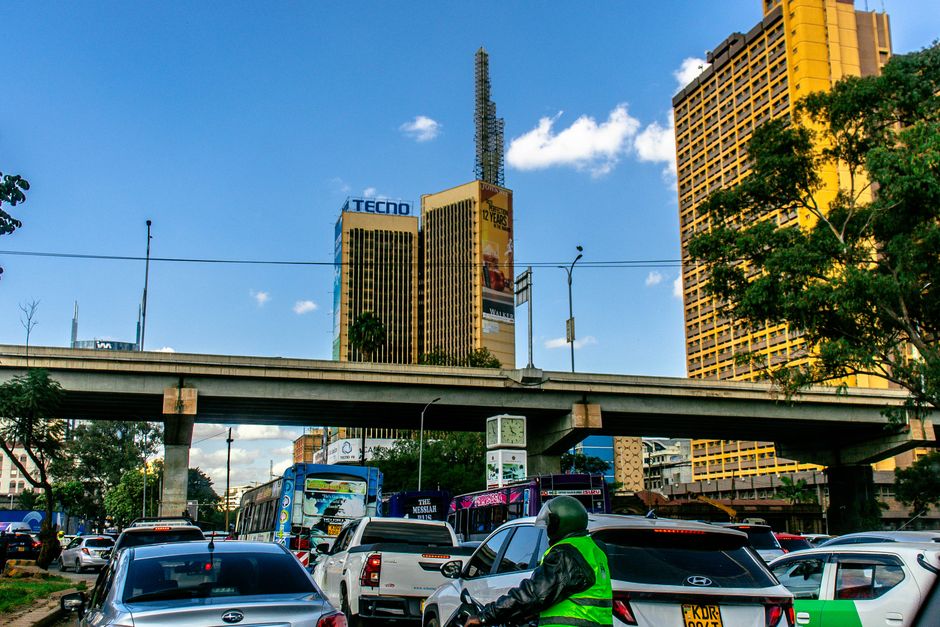
Eastleigh Residents Speak Out Against Rising Insecurity in Once-Thriving Business Hub
Shop owners and commuters on First Avenue voice frustration as theft and street crime threaten livelihoods in one of Nairobi's oldest commercial neighbourhoods.
Shop owners and commuters on First Avenue voice frustration as theft and street crime threaten livelihoods in one of Nairobi's oldest commercial neighbourhoods.

The early morning bustle at Eastleigh's First Avenue—once synonymous with bargain electronics and thriving commerce—now carries an undercurrent of anxiety. Residents and business operators say a sharp uptick in petty theft and armed robberies over the past eight months has fundamentally altered how they move through the neighbourhood and conduct their affairs.
"I've been running my phone accessories stall here for twelve years," says one trader who operates near the junction with Twelfth Street. "But in 2026, I'm seriously considering closing shop. The losses from break-ins have tripled compared to last year. Insurance premiums have gone up 45 percent, and even then, we're not fully covered."
The sentiment echoes across Eastleigh's sprawling marketplace. Commuters waiting at matatu stages along First Avenue report an increase in phone snatching incidents, particularly during evening rush hours between 5 and 7 p.m. A security guard stationed outside one of the neighbourhood's major wholesalers noted that foot traffic has visibly declined, with many shoppers now opting for the perceived safety of Westgate or other mall-based retailers.
Community leaders and neighbourhood watch coordinators have mobilised grassroots responses. Several groups have established WhatsApp-based alert networks to warn residents of suspicious activity, while some business associations are pooling resources for improved street lighting along key thoroughfares. The Eastleigh Business Association told residents at a recent meeting that they're pushing the county government for increased police patrols and CCTV installation at critical points.
Residents acknowledge the structural challenges: Eastleigh's dense, labyrinthine layout makes policing difficult, and the neighbourhood's informal economy means many crimes go unreported. Several shop owners expressed reluctance to file formal complaints, citing lengthy police processes and concerns about drawing attention to their premises.
"We want our Eastleigh back," one long-time resident said. "This neighbourhood built Kenya's informal economy. We don't need pity—we need security and government support to help us reclaim our spaces."
County authorities have promised increased engagement with the community in coming weeks, though residents remain cautiously hopeful. For now, many continue adapting their routines, adjusting opening hours and investing in additional security measures at considerable personal cost.
This article was compiled by AI from the sources linked above and screened before publishing. See our editorial standards.
How does this story make you feel?
Spread the word
About this article
Published by The Daily Nairobi
Daily brief
Free, in your inbox before 7am. Weekdays.
More in News