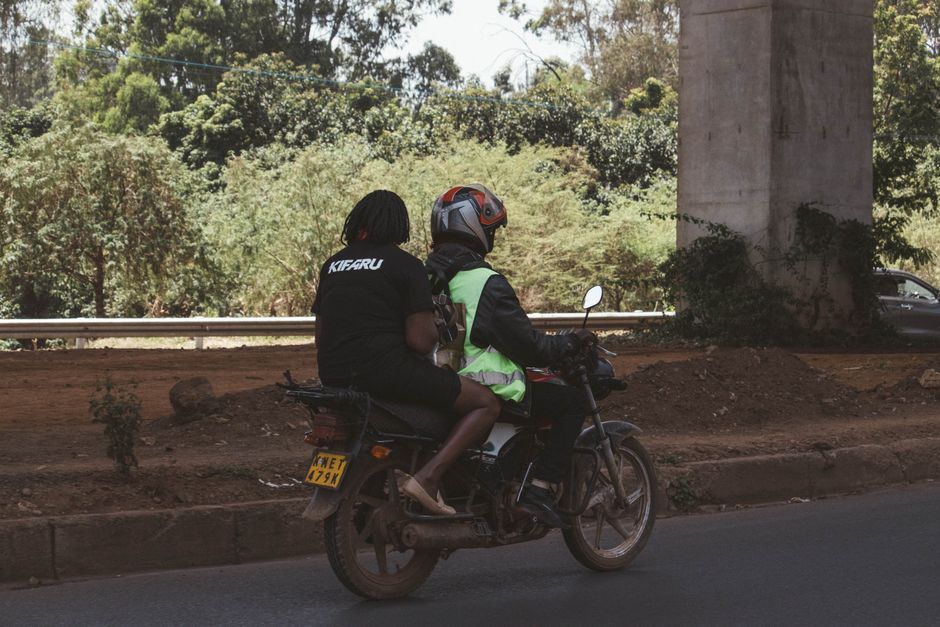
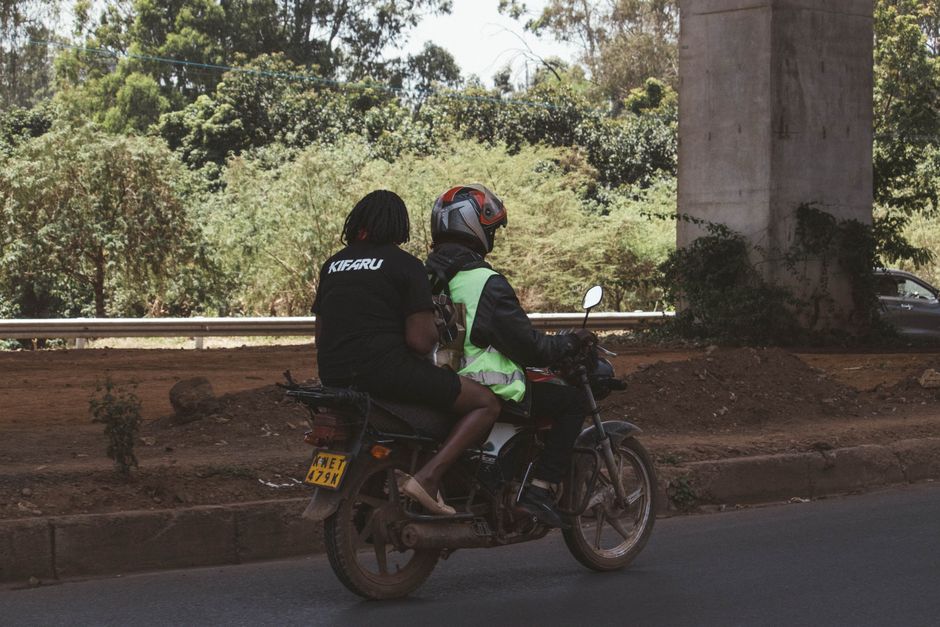
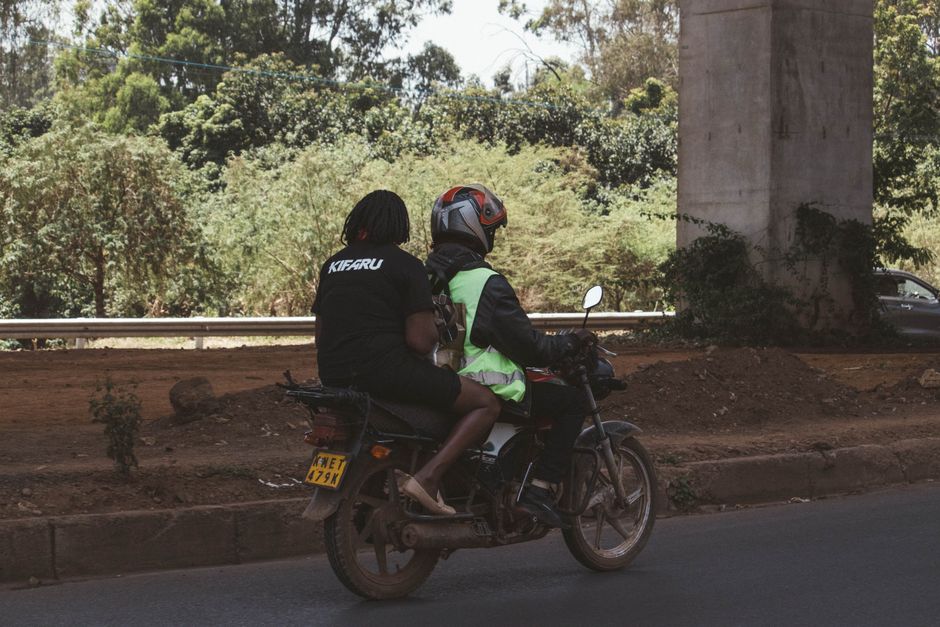
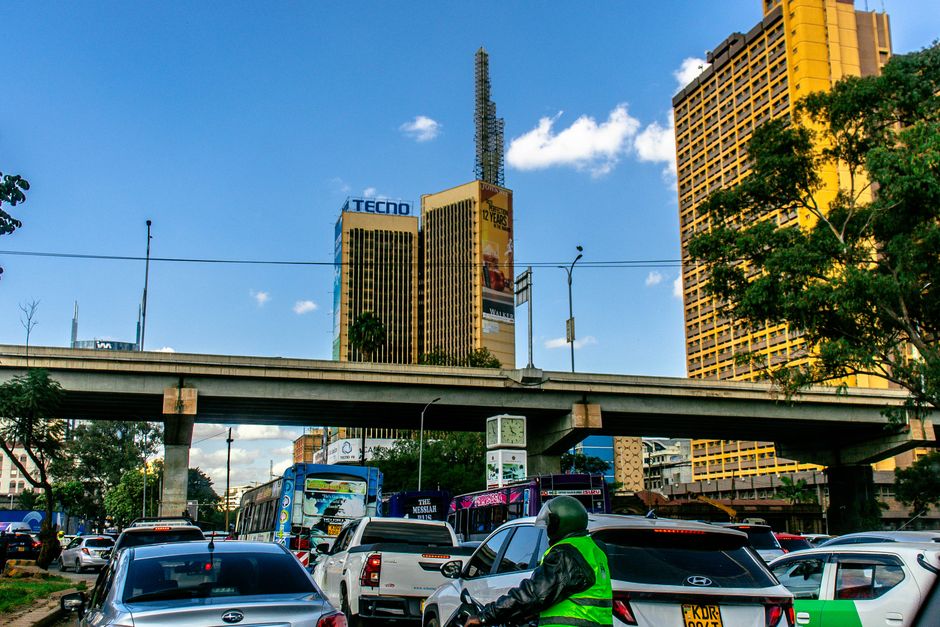
The sound of jackhammers has become the soundtrack to daily life in Eastleigh for the past fourteen months. Along Juja Road, where informal traders have operated for decades, construction barriers now occupy half the width of what was once a bustling commercial corridor. For business owners like those operating from the Eastleigh Business Centre, the infrastructure push feels like a necessary inconvenience laced with genuine worry.
"My customers cannot reach my shop easily," says one salon operator who declined to be named. "The matatu routes have changed three times. People are choosing to go to Westlands instead because it's simpler." Across the city, similar narratives echo from affected communities as Nairobi pursues an ambitious transport modernisation agenda including the expansion of the Southern Bypass, upgrades to Outer Ring Road, and the ongoing Bus Rapid Transit corridor preparations.
The scale is undeniable. Initial government estimates suggest KSh 2.3 trillion in infrastructure investment over the next five years, with transport accounting for roughly 40 percent. In Pangani, residents report that the ongoing water and sewer line replacements—part of a broader infrastructure bundle—have disrupted vehicular access for weeks at a time. Hospital visits, school runs, and emergency journeys have become logistically challenging.
"Nobody consulted us before the work started," notes a community health worker at a Pangani clinic. "We understand Nairobi needs better roads, but the timeline and communication have been chaotic." The sentiment reflects a recurring complaint: while city planners announce projects through press conferences and gazette notices, ground-level communities often learn about disruptions only when barriers appear.
Yet frustration mingles with cautious optimism. Workers in the Industrial Area acknowledge that improved road networks could accelerate freight movement and reduce transport costs—currently averaging 18-22 percent of manufacturing expenses according to industry surveys. Commuters trapped in daily jams spanning Mombasa Road to Nairobi West embrace the promise of faster transit, even if current reality means adding forty minutes to their journeys.
The Nairobi City County government has established a transport hotline and community liaison offices, though their effectiveness remains contested. Some residents report successful compensation claims for business losses; others describe bureaucratic opacity. What's clear is that Nairobi's infrastructure ambitions cannot sidestep the human cost of progress. For traders whose monthly turnovers have dropped 35-40 percent, for students arriving late to school, and for elderly residents struggling to navigate construction zones, the benefits of tomorrow's smoother roads feel distant against today's concrete reality.
This article was compiled by AI from the sources linked above and screened before publishing. See our editorial standards.