From Kibera to Kasarani: Community Voices Demand Real Action on Nairobi's Waste Crisis
Residents living on the frontlines of pollution say government sustainability pledges ring hollow without their input and resources.
Residents living on the frontlines of pollution say government sustainability pledges ring hollow without their input and resources.
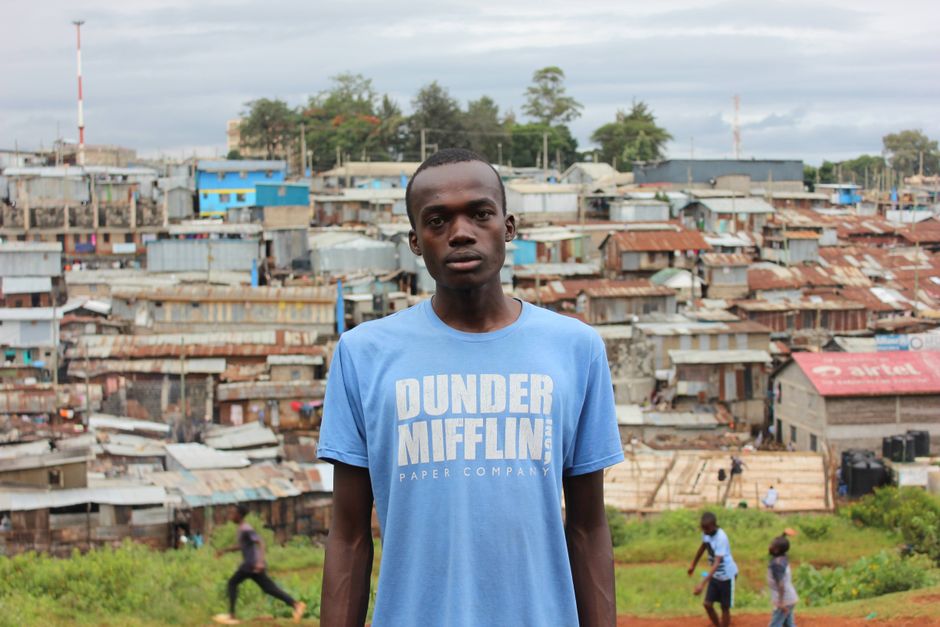
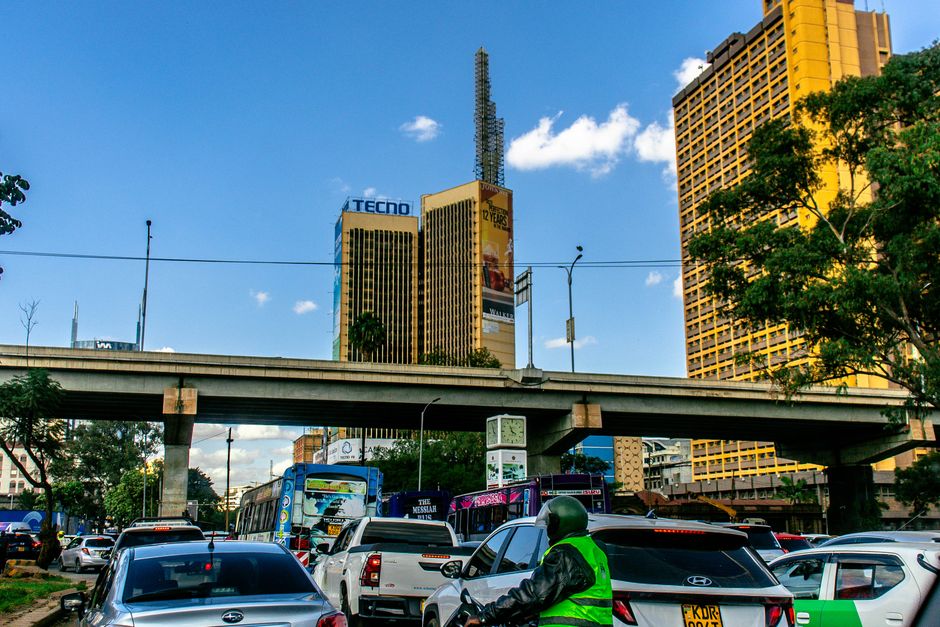
Along the banks of the Nairobi River in Kibera, where informal settlements house over 250,000 people, the stench of untreated sewage mingles with rotting plastic waste. It is here, not in the gleaming towers of Westlands or the manicured gardens of Karen, that the consequences of Nairobi's sustainability crisis hit hardest.
"They announce these big plans about recycling and clean energy, but nobody comes to ask us what we need," says Agnes Omondi, a mother of four who has lived in Kibera for eighteen years. She points to the open drainage channels that run past her home. "We are the ones breathing this air. We are the ones getting sick."
Omondi's frustration reflects a growing disconnect between Nairobi City County's ambitious environmental initiatives and the lived reality of communities bearing the brunt of the city's waste management crisis. While the county has pledged to reduce plastic use by 40 percent by 2028 and invested in three new waste-to-energy facilities, residents in informal settlements say they remain excluded from decision-making processes.
At the Dandora waste transfer station in Eastlands, which processes approximately 2,000 tonnes of waste daily, informal waste pickers work without protective equipment or fair compensation. Johnson Kipchoge, who has scavenged materials for recycling for twelve years, estimates he earns between 500 and 800 shillings weekly—barely subsistence income despite providing critical recycling services.
"The government talks about circular economy and sustainability targets, but we who actually do the recycling work are invisible," Kipchoge explains. "If they truly cared about environment, they would formalize our work and pay us fairly."
Yet pockets of hope exist. In Mathare, the environmental organization Nairobi Regeneration Initiative has partnered with residents to install solar panels on community centers and establish tree-planting programs. Over 15,000 trees have been planted in degraded areas since 2023.
"When communities are genuinely involved from the planning stage, things change," says the initiative's community coordinator. "People protect what they helped create."
As Nairobi grapples with its status as one of Africa's fastest-growing cities—with a metropolitan population exceeding 5 million—sustainability experts argue that genuine progress requires centering the voices of those most affected by environmental degradation.
For residents like Omondi and Kipchoge, that means more than speeches. It means jobs, representation, and resources flowing directly to the communities keeping Nairobi functioning, even as the city chases its green ambitions.
This article was compiled by AI from the sources linked above and screened before publishing. See our editorial standards.
How does this story make you feel?
Spread the word
About this article
Published by The Daily Nairobi
Daily brief
Free, in your inbox before 7am. Weekdays.
More in News