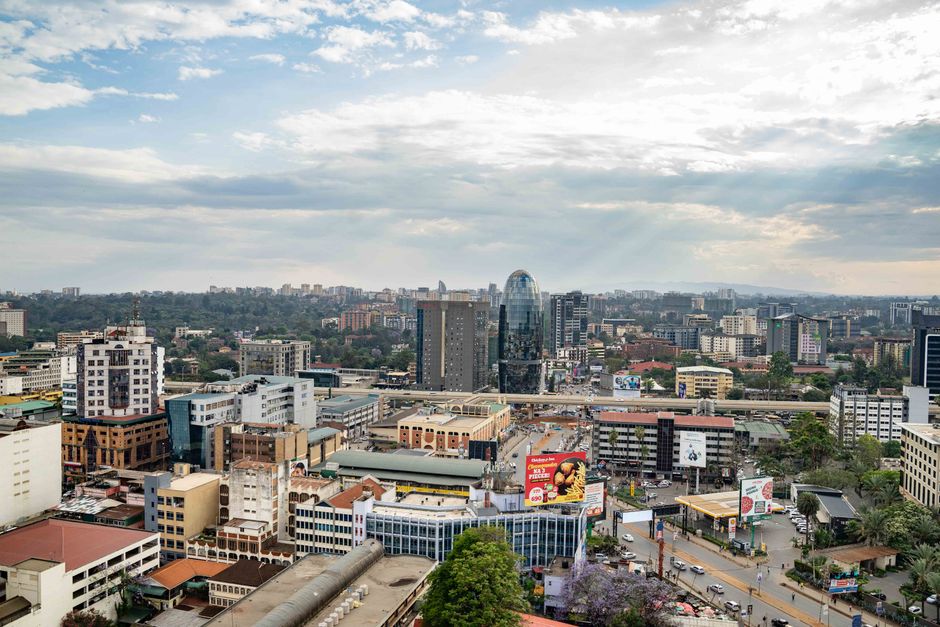
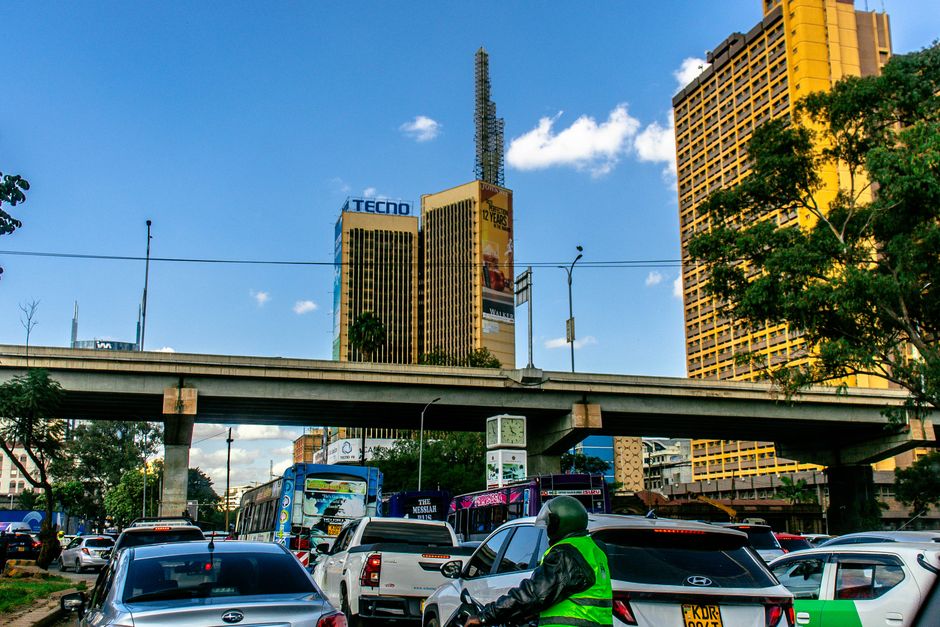
Nairobi City County's latest budget cycle reveals a widening gap between the aspirations of administrators and the financial reality constraining service delivery—a pattern that distinguishes East Africa's largest metropolis from peer cities managing comparable urbanisation pressures elsewhere.
The county's 2026 fiscal plan allocates 289 billion shillings across departments, yet pending bills from previous years hover near 45 billion shillings. For context, comparable cities like Lagos manage larger populations with more diversified revenue streams, while Johannesburg's metropolitan authority has successfully issued municipal bonds to finance transport infrastructure. Nairobi's own attempts at such instruments have stalled, hamstrung by debt servicing obligations and inconsistent revenue from property taxes.
The impact ripples through daily life. Residents across Westlands, South B, and Kilimani have experienced water rationing for extended periods this quarter—a challenge that Cape Town managed through aggressive demand management after its 2018 crisis. Meanwhile, potholes on Valley Road and the deteriorating condition of routes through Mathare Valley underscore maintenance backlogs that contradict the county's stated transport priorities.
County officials point to ongoing devolution challenges and over-reliance on national government transfers, which comprise roughly 70 percent of Nairobi's revenue base. By contrast, Kigali's city administration has leveraged public-private arrangements for waste management, while Dar es Salaam has restructured property assessment systems to improve tax compliance. Nairobi's property tax collection rates remain below 30 percent of potential yields.
Staff morale presents another pressure point. Teachers and health workers have experienced payment delays stretching into weeks—a situation that prompted restructuring in Accra and Kampala's municipal systems three years ago. Nairobi's payroll currently covers approximately 47,000 county employees, with recurring cash flow crises creating retention problems in critical sectors.
Yet the city hasn't remained static. Recent initiatives around waste segregation in partnerships with environmental organisations, and the expansion of the Nairobi Metropolitan Services arrangement, suggest an evolving governance model. The ongoing upgrade of City Hall's revenue systems through digital platforms mirrors similar efforts in Addis Ababa and Nairobi's counterparts in South Africa.
Global observers note that mid-sized African cities succeeding with infrastructure and service delivery share three traits: transparent budget processes, diversified revenue sources, and professional management structures. Nairobi possesses the potential for all three—but realising them requires political will and sustained institutional reform that remains contested between county and national authorities.
This article was compiled by AI from the sources linked above and screened before publishing. See our editorial standards.