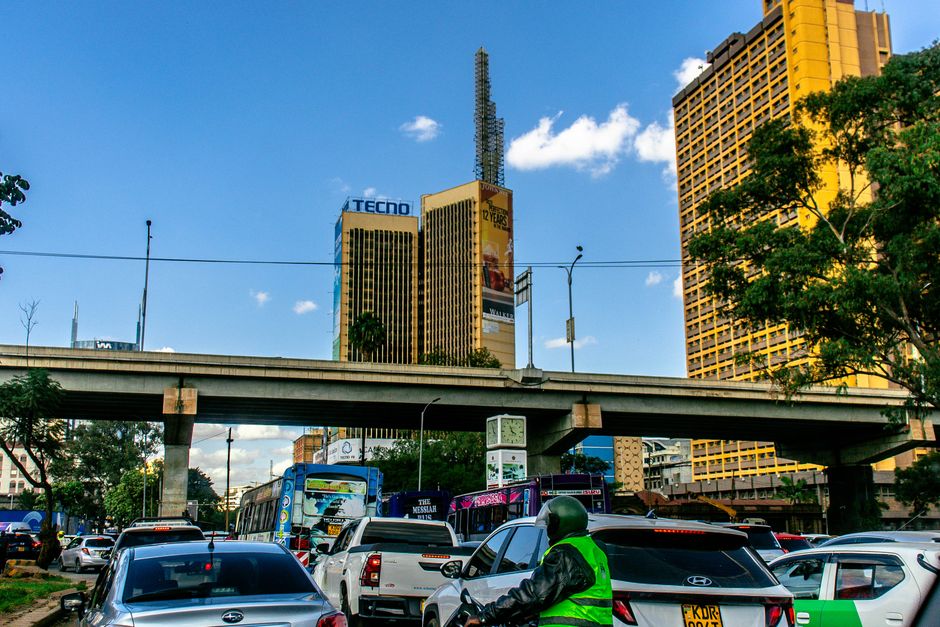
Eastleigh Residents Fight Back Against Water Crisis: 'We're Tired of Empty Promises'
As the neighbourhood faces its worst dry spell in three years, community voices demand accountability from authorities over deteriorating infrastructure.
As the neighbourhood faces its worst dry spell in three years, community voices demand accountability from authorities over deteriorating infrastructure.
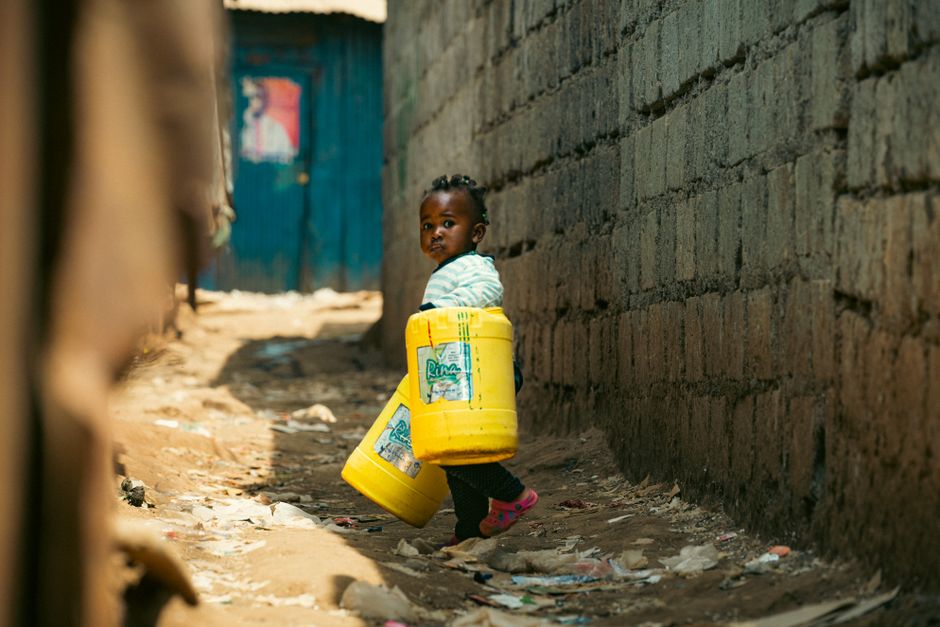
For the past six weeks, residents across Eastleigh have woken to the familiar sound of silence—the absence of water flowing through their taps. What began as intermittent supply has evolved into a full-blown crisis, forcing families to spend between 500 and 1,200 shillings daily on jerry cans from private vendors, a burden that has sparked rare public outcry across the densely populated neighbourhood.
The water shortage has disrupted life across the sprawling residential and commercial hub. Small businesses along Sixties Road and First Avenue report losses exceeding 10,000 shillings weekly, while residents speak of queuing for hours at communal boreholes. The Nairobi Water and Sewerage Company has attributed the crisis to burst pipes along the main distribution line serving the area, damage that has persisted despite multiple repair announcements since early May.
"They say they're fixing it, but we see nothing," says Mohamed Abdi, a shopkeeper who runs a small restaurant near Eastleigh Shopping Centre. "My customers have stopped coming because I cannot guarantee water for washing dishes. I've had to cut my staff from five to three people." Like many traders, Abdi represents the silent majority of residents—small entrepreneurs whose livelihoods depend on basic services.
Community health worker Amina Hassan, who operates a maternal clinic near the Five Pillar Hotel, highlights the public health dimension often overlooked in infrastructure discussions. "We cannot conduct proper sanitation protocols," she explains. "During this period, we've seen a spike in waterborne illnesses, particularly among children under five." Her concerns echo warnings from the Nairobi City County Health Department, which has issued alerts about potential disease outbreaks if the situation persists.
The crisis has inadvertently united fragmented neighbourhood voices. Local business associations have formally petitioned the County Assembly, while residents have organised WhatsApp groups documenting daily challenges—a grassroots accountability mechanism that has pressured authorities to commit to tangible timelines. By late June, the water company promised restoration within two weeks, though such assurances have become routine rather than reassuring.
What distinguishes this crisis is the community's refusal to accept bureaucratic inertia. Residents across Eastleigh—a neighbourhood of roughly 300,000 people—are no longer waiting passively. Instead, they're documenting failures, demanding public answers, and mobilising collective action. Their message is unambiguous: infrastructure is not merely technical; it is the foundation upon which neighbourhoods thrive or collapse.
This article was compiled by AI from the sources linked above and screened before publishing. See our editorial standards.
How does this story make you feel?
Spread the word
About this article
Published by The Daily Nairobi
Daily brief
Free, in your inbox before 7am. Weekdays.
More in News