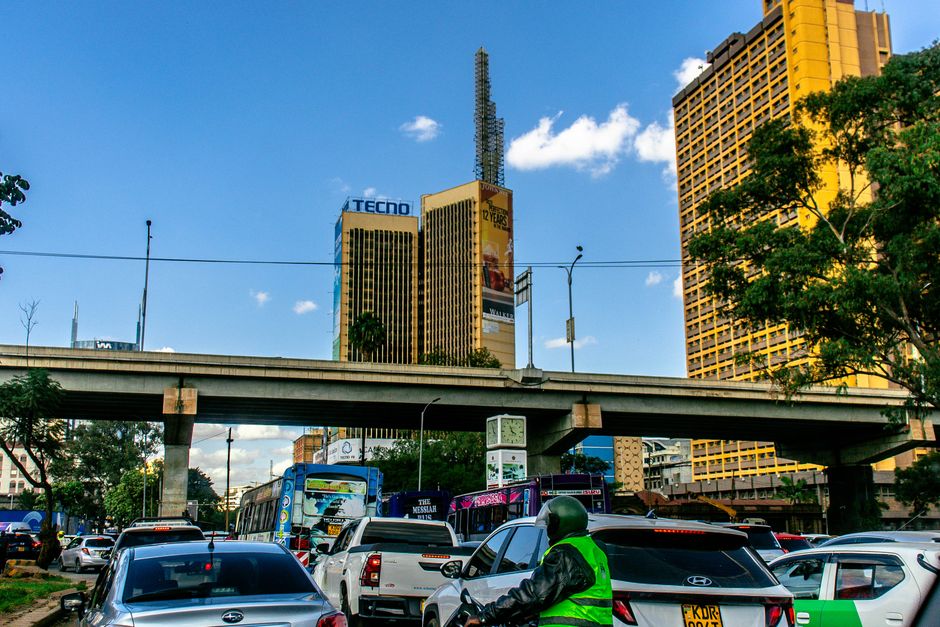
Nairobi stands at a crossroads. Six months into 2026, the city's crime statistics paint a sobering picture—robbery incidents in Westlands business district have spiked 34% compared to the same period last year, while safety concerns around matatu termini in Mombasa Road and Nairobi River informal settlements have prompted repeated emergency service callouts. The question now facing the Kenya Police Service, the National Police Commission, and City Hall is not what went wrong, but what happens next.
The decisions made in the coming weeks will reshape how the capital manages emergencies and prevents crime for years ahead. At stake are three critical areas: resource deployment, inter-agency communication, and community engagement models that have shown promise but remain underfunded.
First, police leadership must decide whether to expand the Community Policing Strategy Initiative, a programme that has reduced response times in Langata and South C by up to 18 minutes. Rolling it out citywide would require recruiting an estimated 2,000 additional officers and establishing coordination hubs in underserved zones like Eastleigh, Huruma, and Kawangware—a move that demands cabinet-level budget approval by August.
Second, emergency services coordination remains fragmented. The Nairobi County Integrated Emergency Operations Centre, based near Nyayo House, lacks real-time data sharing with the Kenya Red Cross Society and private security operators who handle significant portions of the city's safety infrastructure. Recent incidents at major venues like the Safari Park Hotel and The Hub have exposed gaps in multi-agency response protocols. City authorities must now decide whether to invest in a unified digital platform—estimated at 850 million shillings—or rely on existing, slower channels.
Third, and perhaps most pressing, is community trust. After several high-profile cases of delayed response in affluent areas like Kilimani while faster intervention occurred in Nairobi CBD, public confidence in impartial service delivery has eroded. The Kenya Police Service faces a choice: recommit to neighbourhood-based accountability forums or risk deepening the divide between residents and officers.
Meetings scheduled for mid-July between the Inspector General, County Commissioner, and civil society groups will reveal which path leadership favours. Early indicators suggest budget constraints—the police budget grew just 2.1% this year—will force hard trade-offs.
For Nairobi's 4.9 million residents, the coming six months will determine whether emergency response becomes faster and fairer, or whether the city's fractured safety apparatus drifts further into crisis.
This article was compiled by AI from the sources linked above and screened before publishing. See our editorial standards.