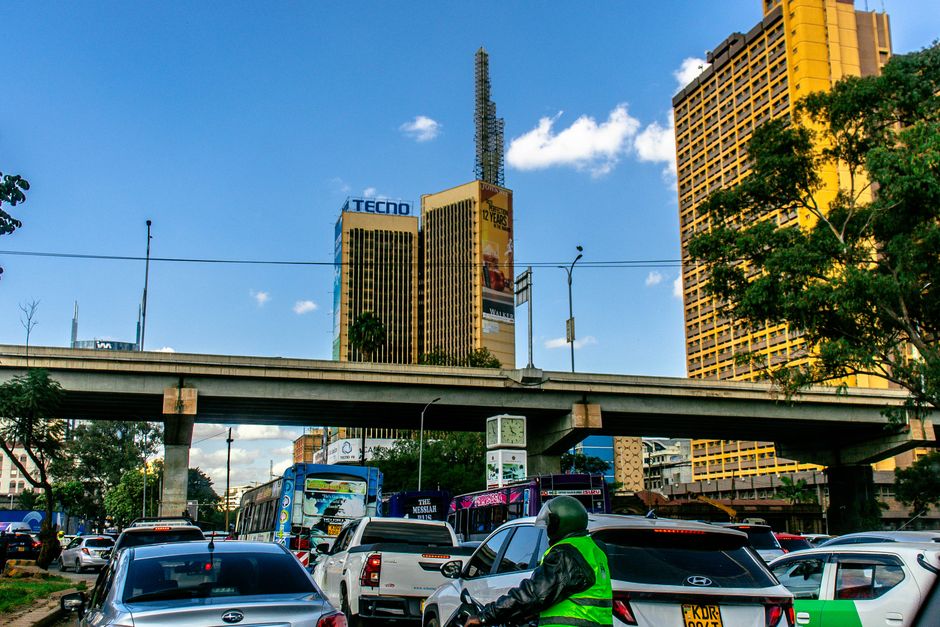
For the past eighteen months, residents of Kasarani and parts of Embakasi have watched construction equipment gather dust along the proposed Nairobi Ring Road route. What was meant to be a transformative transport corridor connecting the eastern suburbs to the industrial areas has instead become a source of frustration and economic uncertainty for thousands of households.
The Ring Road project—designed to ease congestion on major arteries including the Eastern Bypass and Outer Ring Road—was first announced as a priority infrastructure initiative in 2023. However, progress has stalled significantly, leaving affected communities in the dark about timelines and compensations.
Small business owners operating along the proposed corridor, particularly around the Dandora and Kayole areas, report mounting anxiety. Market vendors, mechanics, and shopkeepers say the uncertainty has made it impossible to plan investments or expansions. One prominent concern is the adequacy of compensation rates; property owners have received preliminary valuations that many argue fall far short of current Nairobi market prices.
"We're not against development," explained one community leader from Kasarani during a recent stakeholder meeting at the Kasarani Social Hall. "But we need transparency. What's the timeline? Who determines fair compensation? These questions remain unanswered."
The project's environmental impact has also drawn scrutiny. Environmental activists argue that the route's proximity to Dandora wetlands—already compromised by informal settlements and industrial discharge—raises serious ecological concerns that appear inadequately addressed in available documentation.
Transport analysts acknowledge the Ring Road's potential. The Kenya Institute for Public Policy Research and Analysis estimates that improved east-west connectivity could reduce average travel times on the Eastern Bypass by approximately 35 percent during peak hours, benefiting the estimated 450,000 daily commuters who navigate these routes.
Yet residents emphasise they want more than promises. They're requesting detailed public consultations, transparent compensation frameworks aligned with independent property valuations, and regular project updates. Community representatives have submitted formal requests to the Nairobi County Government and the National Treasury for structured engagement.
The stalled project reflects broader infrastructure challenges facing Nairobi. While ambitious schemes like the Standard Gauge Railway transformed urban connectivity, critics argue that community voices were similarly sidelined in earlier phases, creating a pattern of distrust.
As 2026 progresses, the Ring Road remains largely dormant. For Eastlands residents, the wait continues—not necessarily against development, but demanding it happen with their genuine participation and protection of their interests.
This article was compiled by AI from the sources linked above and screened before publishing. See our editorial standards.