Nairobi's political establishment is bracing for a consequential second half of 2026, with three interconnected decisions looming that will reshape how the city functions and who bears the cost of its expansion.
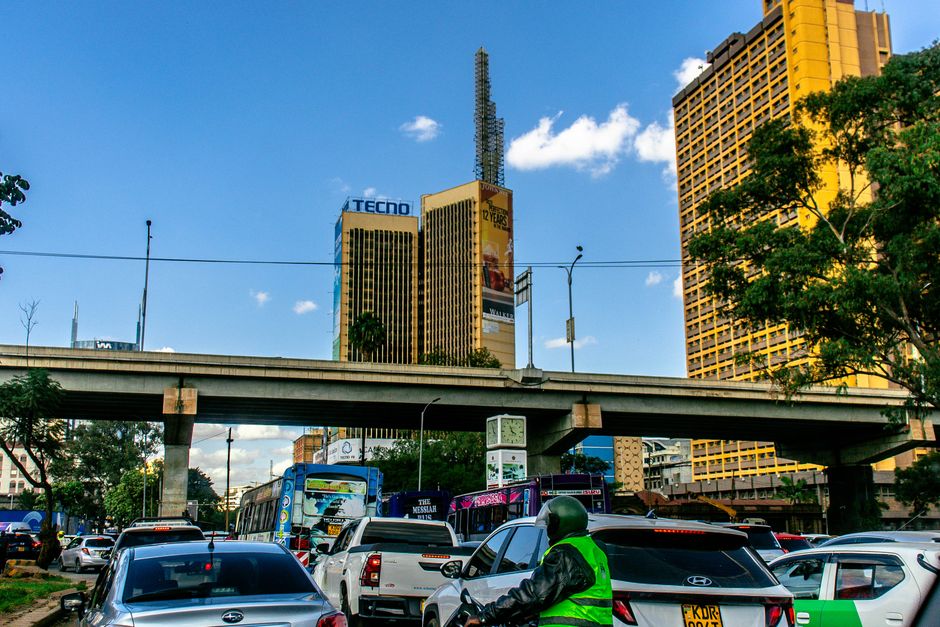
The most immediate flashpoint centres on the proposed Nairobi Metropolitan Transport Authority restructuring. County officials must decide by August whether to consolidate bus operations across Nairobi West, Eastlands, and the CBD under unified management, a move that could theoretically improve the chaotic commuter experience but threatens to displace thousands of informal matatu operators currently controlling routes between areas like Kamukunji and Buruburu. Transport accounts for roughly 18% of county revenue, making this decision financially consequential.
Equally pressing is the fate of Mukuru and Korogocho settlements. The National Treasury has signalled it will only release the final tranche of affordable housing funding if the county submits a comprehensive relocation framework by September. This puts County leadership in an uncomfortable position: proceed with a plan that risks displacing an estimated 45,000 residents, or forgo approximately Sh2.8 billion in housing development grants. Community organisations in these areas are already mobilising, suggesting the path ahead will be contentious.
The third pillar involves property tax collection mechanisms. Nairobi's administration currently recovers only 64% of outstanding property taxes—a shortfall that has crippled maintenance budgets for roads in Mathare, Kasarani, and Dagoretti. A decision on whether to deploy more aggressive digital verification systems and enforcement teams, modelled on initiatives in Westlands and Upper Hill, will effectively determine whether the county can fund basic pothole repairs without additional levies.
Behind-the-scenes negotiations are intensifying around these three issues. Ward representatives from informal settlement constituencies have begun coordinating resistance, while business associations representing large property owners are lobbying for tax moderation. County budget hearings scheduled for late July at the County Assembly chambers on City Hall Way will be the public crucible where these tensions surface.
The stakes extend beyond Nairobi's borders. How the county navigates these decisions will signal to international investors—already watching closely given Kenya's IMF programme—whether the city can govern itself effectively. It will also test whether devolved government can balance equity concerns with fiscal realities, a question that national leadership is monitoring closely.
Residents should expect significant announcements by mid-August. The city that emerges from these decisions will look materially different from the Nairobi of 2024.
This article was compiled by AI from the sources linked above and screened before publishing. See our editorial standards.