How Nairobi's Transport Crisis Led Us to Today's Infrastructure Overhaul
Decades of congestion, failed planning, and growing gridlock have forced the city to reimagine how millions move through its sprawling network.
Decades of congestion, failed planning, and growing gridlock have forced the city to reimagine how millions move through its sprawling network.
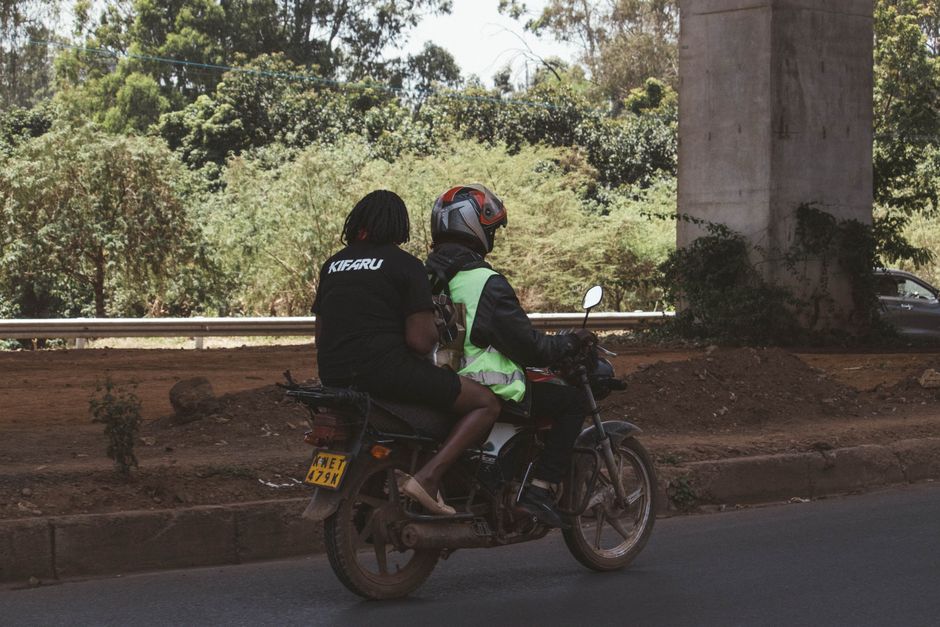
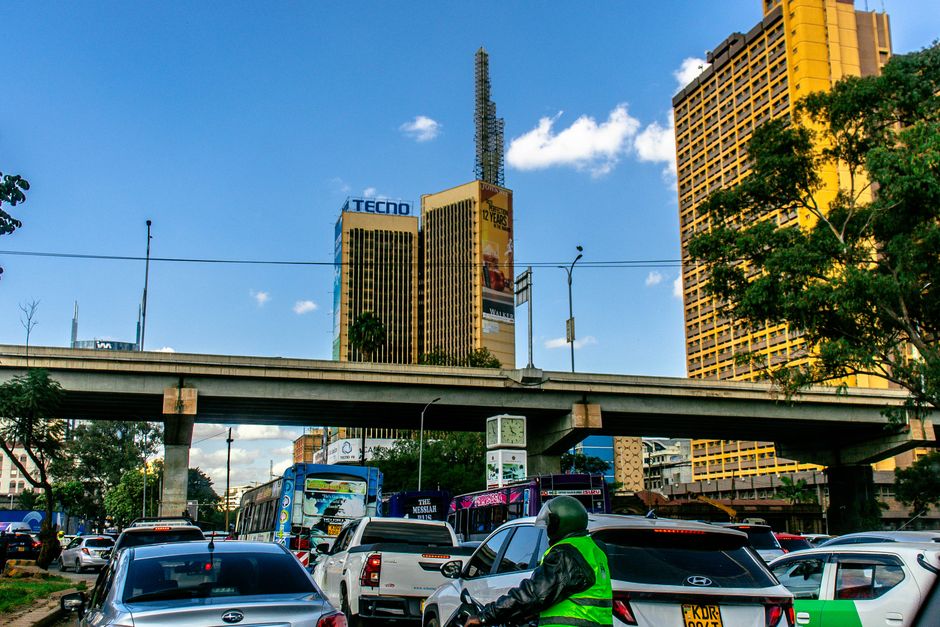
The image of Nairobi's transport system in 2015 tells the story of a city at breaking point. Commuters on the Mombasa Road corridor spent an average of 90 minutes covering 15 kilometres during peak hours. The Thika Road, despite its 2012 expansion, remained perpetually clogged. And the matatu industry—which moves roughly 60 percent of the city's daily commuters—operated with virtually no regulation, creating a patchwork of informal routes that worsened congestion rather than alleviating it.
This backdrop of chronic transport dysfunction is what led to the infrastructure decisions we see materialising today. The Nairobi Metropolitan Area Transport Authority, established in 2018, emerged from a decade of frustrated commuters, businesses losing productivity to gridlock, and a municipal government unable to tackle the problem alone. What began as complaints in traffic—passengers grumbling from idling vehicles on the Southern Bypass—evolved into political pressure that forced systemic rethinking.
The numbers were undeniable. By 2020, the World Bank estimated that Nairobi lost approximately 4 percent of its GDP annually to traffic inefficiency. A commuter travelling from Githurai to Westlands could easily spend 2.5 hours on the road. Downtown Nairobi, particularly around Tom Mboya Street and the Central Business District, became nearly gridlocked during lunch hours as informal traders, vehicles, and pedestrians competed for the same shrinking space.
What changed the trajectory was the realisation that road expansion alone—the traditional response that had guided projects like the Nairobi Expressway—could not solve a fundamentally broken system. The Expressway, completed in 2022, demonstrated that even modern infrastructure couldn't address deeper issues: most Nairobi residents couldn't afford the toll, and it primarily benefited a narrow demographic.
The current push toward bus rapid transit corridors, the expansion of the Standard Gauge Railway's commuter capacity, and renewed investments in pedestrian infrastructure along key routes like Ngong Road and Limuru Road represent a philosophical shift. They acknowledge that Nairobi's transport future cannot rest on private vehicles or high-toll infrastructure. Instead, it must serve the matatu driver, the domestic worker commuting from Kahawa West, and the trader moving goods through the city's informal economy.
Understanding where we are today requires understanding where we were: a city that had allowed its transport systems to calcify into dysfunction. The infrastructure projects now underway aren't random investments. They're responses to years of failure, constrained by budget limitations, geographic challenges, and the need to serve a metropolitan area of nearly 5 million people with radically unequal access to mobility.
This article was compiled by AI from the sources linked above and screened before publishing. See our editorial standards.
How does this story make you feel?
Spread the word
About this article
Published by The Daily Nairobi
Daily brief
Free, in your inbox before 7am. Weekdays.
More in News