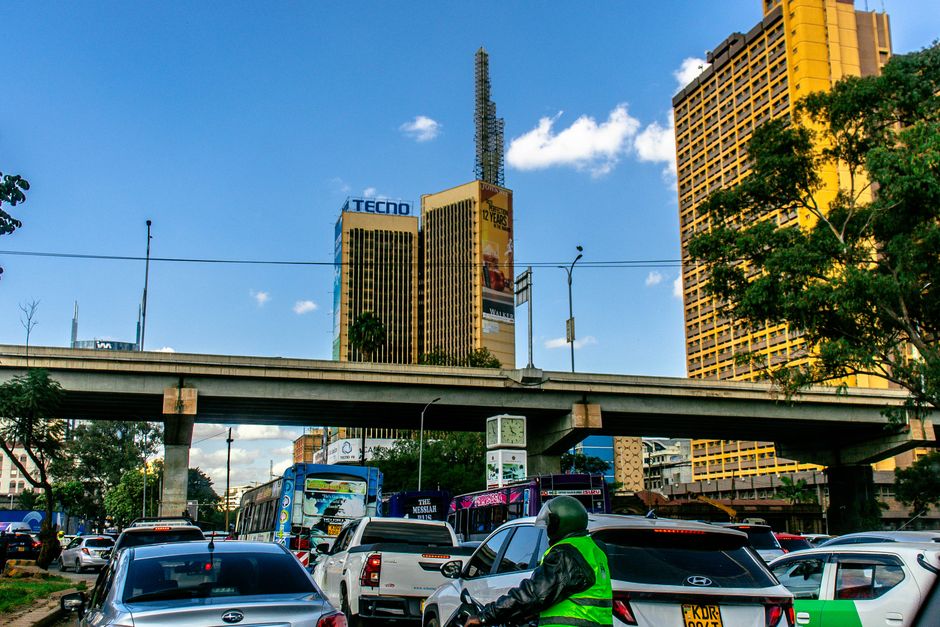
Nairobi stands at a pivotal moment in its environmental journey. With air quality index readings regularly exceeding 150 in areas like Westlands and Upper Hill, and the Nairobi River earning its notorious reputation as one of Africa's most polluted waterways, the city's sustainability efforts now face their defining test: whether recent momentum will translate into lasting transformation or dissipate into familiar bureaucratic lethargy.
The City County Government's ambitious waste management overhaul, launched eighteen months ago with partnerships across Kibera, Mathare, and Eastlands, has diverted an estimated 12,000 tonnes of recyclable materials from Dandora dumpsite. Yet funding commitments for 2027 onwards remain uncertain. Officials must decide this quarter whether to expand the programme to informal settlements or consolidate existing operations—a choice that will determine whether current gains hold or collapse.
Water security presents an equally urgent fork in the road. The Nairobi Water and Sewerage Company's ongoing rehabilitation of aging infrastructure in South B, Kilimani, and around the University of Nairobi campus has reduced leakages by roughly 8 percent. However, expansion into sprawling areas like Kangemi and Kawangware requires capital injection decisions that haven't materialised. The Metropolitan Superintendent's office must clarify funding sources within weeks, or risk losing momentum before the dry season intensifies shortages.
Green space initiatives have gained traction. The Nairobi Green Space Programme, which has planted over 80,000 trees across Central Business District parks and residential areas since 2024, now faces a critical question: maintenance. Competing budget priorities mean city planners must choose between aggressive new planting targets or sustainable stewardship of existing green corridors along Forest Road and Chiromo Lane.
The private sector's role remains ambiguous. Real estate developers eyeing projects in areas like Westlands and Karen have begun incorporating sustainability features, yet there's no binding citywide framework. The pending revision of building codes could either mandate environmental standards or remain advisory—a decision that will signal whether Nairobi's green credentials are genuine or cosmetic.
Industry observers emphasise that the next 90 days are crucial. Budget allocations for the second half of 2026 will reveal whether environmental initiatives receive genuine priority or become casualties of competing demands. Nairobi's trajectory—toward becoming an African sustainability leader or retreating into familiar patterns—hangs on decisions that city leadership must make soon.
This article was compiled by AI from the sources linked above and screened before publishing. See our editorial standards.