Walk through the pedestrian underpasses near Nairobi Central Station these days, and you'll notice something different: fewer plastic bags tangled in the storm drains. This small shift is part of a larger sustainability movement gaining momentum across Kenya's capital, one that directly affects how much residents spend on water, electricity, and healthcare.
The Nairobi City County's ambitious 2026 environmental framework, launched earlier this year, targets a 40% reduction in single-use plastics and a shift toward renewable energy in public spaces. For ordinary residents, this translates into concrete savings. The rollout of solar-powered street lighting along Mombasa Road and stretches of Thika Superhighway has already reduced municipal energy costs by an estimated 18%—savings that officials say could eventually lower property tax burdens across residential zones like Karen and Kilimani.
But the real test is in neighbourhoods where environmental degradation hits hardest. In Eastleigh and parts of South C, where informal waste dumping has long contaminated groundwater, the new Community Waste Recovery Initiative is training residents as waste sorters and recyclers. Participants earn between Sh200 and Sh500 daily—modest income that matters for families already stretched thin. Yet sceptics worry: will the programme sustain itself beyond initial donor funding?
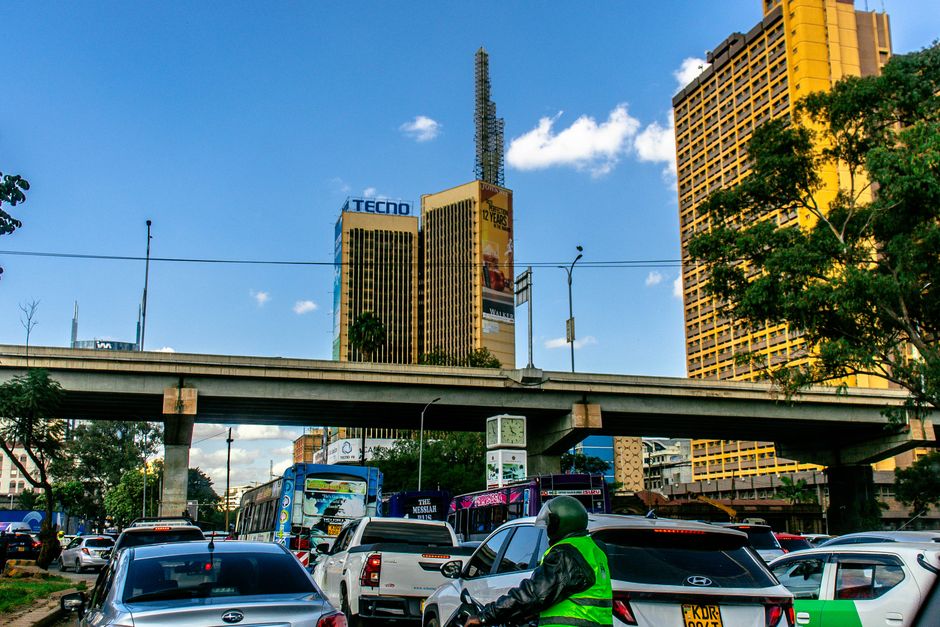
The health stakes are impossible to ignore. Nairobi's air quality index regularly spikes above 150 during peak traffic hours, particularly in Central Business District corridors. A recent study by a local environmental NGO found that residents in high-pollution zones like Nairobi West report respiratory complaints 34% more frequently than those in greener areas. The city's tree-planting initiative—aiming to plant 500,000 trees by 2027, with clusters planned for Karura Forest buffer zones and along the Ngong Road—promises to improve air quality and reduce cooling costs in homes by up to 12%.
Water scarcity, a perennial crisis affecting suburbs from Githurai to Rongai, is being addressed through greywater recycling programmes now available at select public institutions and community centres in partnership with Nairobi Water and Sewerage Company. Early adopters report reducing household water consumption by roughly 25%.
The challenge remains equity. Wealthier neighbourhoods have greater access to green infrastructure projects, while informal settlements often bear the brunt of pollution. As Nairobi pushes forward with these initiatives, residents are watching carefully: will sustainability measures deepen inequality, or truly democratise access to a cleaner, healthier city?
This article was compiled by AI from the sources linked above and screened before publishing. See our editorial standards.