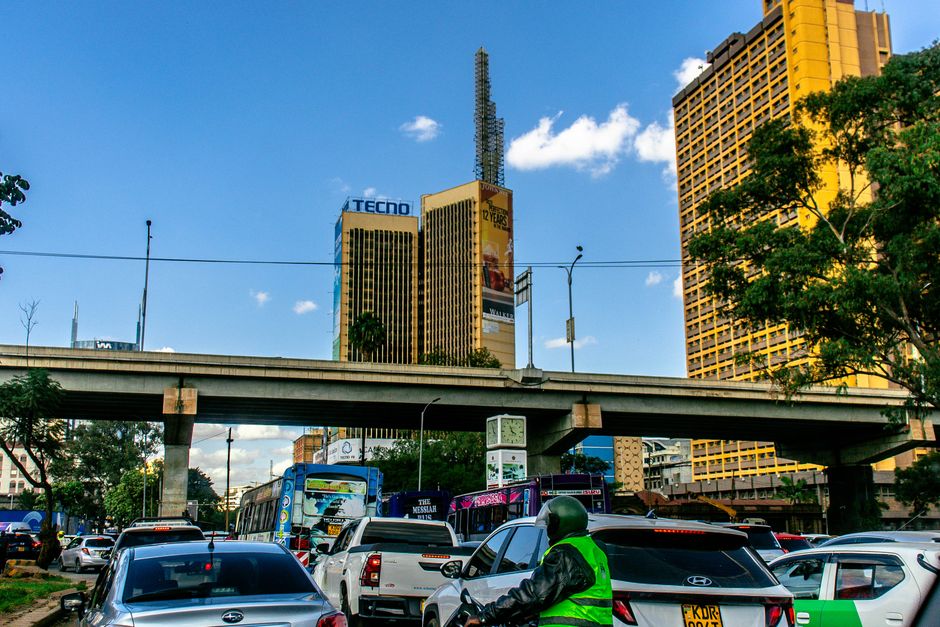
Walk through Westlands on any given afternoon and you'll encounter conversations in Dari, Somali, Amharic, and Luganda alongside Swahili and English. This linguistic tapestry didn't emerge overnight. Nairobi's transformation into East Africa's primary multicultural destination is the product of decades of geopolitical upheaval, economic calculation, and humanitarian necessity that has reshaped the city's demographic landscape.
The 1990s marked the beginning of this shift. As Somalia collapsed into civil war and refugee camps swelled in the northeastern borderlands, thousands of Somali traders and professionals began establishing themselves in Nairobi's River Road and Eastleigh districts. By the early 2000s, Eastleigh had become synonymous with Somali enterprise, with an estimated 200,000 residents from the Horn of Africa calling the neighbourhood home. The financial services sector that thrived there—largely informal and efficient—attracted recognition from international development agencies, cementing Nairobi's reputation as a refuge destination.
The Ethiopia-Eritrea conflict of the late 1990s drove another wave northward. Simultaneously, Uganda's relative stability under President Yoweri Museveni made the Southern Bypass and Industrial Area attractive to Ugandan entrepreneurs. By 2010, over 30,000 Ugandans were estimated to be residing in Nairobi, many clustering around Kikuyu Street and Parklands where cultural restaurants and shops catered to their communities.
Kenya's decision to host the UNHCR regional office solidified the city's role as a humanitarian hub. The Westlands-based office oversees refugee operations across 13 countries. This institutional presence, combined with the presence of over 60 international NGOs headquartered in Nairobi, created job opportunities that attracted educated migrants from across the continent. South Sudanese professionals fleeing their country's 2013 civil war joined established communities in Upper Hill and Kilimani.
The last decade has seen even greater diversification. Rising costs in the Gulf have redirected wealthy traders from Somalia, Ethiopia, and DRC toward Nairobi's relatively affordable commercial real estate. The technology boom in Nairobi, particularly in the Silicon Savanna around the Gigiri and Westlands corridors, has attracted young professionals from Rwanda, Nigeria, and Ghana seeking career opportunities in Africa's fastest-growing tech sector.
This migration has not been without tension. Housing costs in traditionally multicultural areas have surged—a two-bedroom apartment in Eastleigh now averages 35,000 KES monthly, up from 15,000 KES a decade ago. Yet Nairobi's evolution reflects broader regional realities: where opportunity and stability exist, people will migrate toward them. Understanding this context is essential as the city continues negotiating the demands of rapid demographic change.
This article was compiled by AI from the sources linked above and screened before publishing. See our editorial standards.