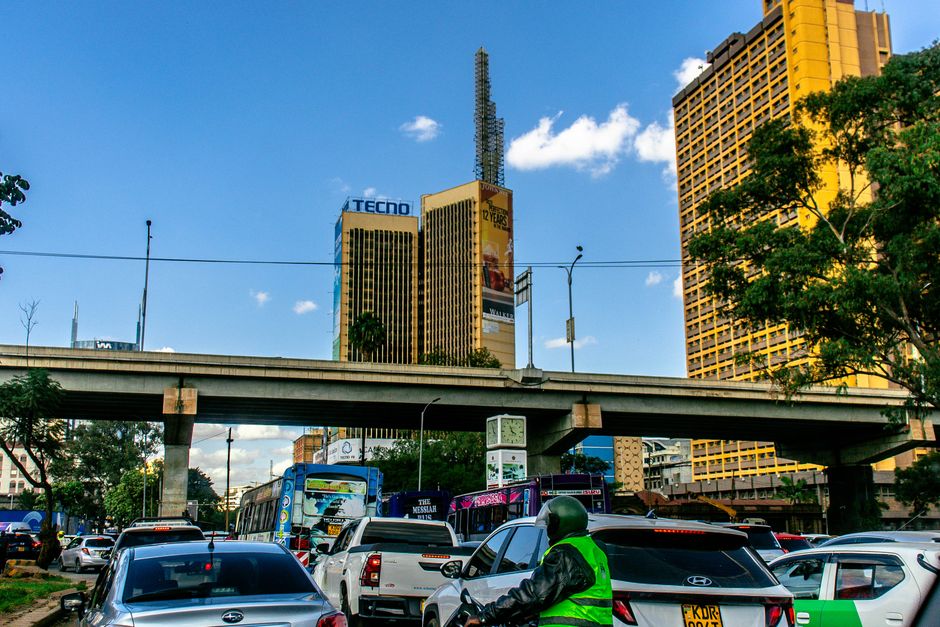
Walk down Ngong Road on any weekday evening and you'll see them: young professionals packed into matatus, heading back to Rongai or Mlolongo after twelve-hour workdays in Nairobi's gleaming office towers. Few can afford to live near their jobs. This exodus tells the story of how East Africa's most sophisticated city became nearly unlivable for its middle class.
The roots of today's housing catastrophe run deeper than recent real estate speculation. They stretch back to 1989, when the Nyayo-era government implemented a blanket freeze on private land transfers, ostensibly to prevent speculation but effectively paralyzing the urban property market for over a decade. Young families who might have built equity watched helplessly as titles gathered dust in government offices. When the freeze lifted in 2001, accumulated demand exploded—but the regulatory framework never caught up.
Nairobi's zoning laws, inherited largely from colonial-era planning documents, proved catastrophically rigid. While Tower Hamlets in London rezoned aggressively to accommodate growth, Nairobi's Central Business District remained locked in restrictive low-density regulations. A two-hectare plot in Westlands that could have accommodated a mixed-use development of 400 units remained earmarked for single-family estates. Developers, frustrated by bureaucratic delays at City Hall, simply abandoned compliance in informal settlements—a choice that has metastasized into today's sprawl.
The Nairobi Metropolitan Services Authority, established in 2020 to coordinate planning across the metropolitan area, inherited a patchwork nightmare. Nairobi County, Kiambu County, and Kajiado County had never genuinely coordinated housing strategy. A family in Syokimau fell under Kajiado's jurisdiction; their workplace in the CBD fell under Nairobi's; their commute crossed three different tax regimes. Coherent metropolitan planning arrived two decades too late.
Perhaps most damaging: the government never invested seriously in public transport infrastructure as sprawl accelerated. The Nairobi Expressway project, completed only in 2023, should have arrived in 2010. Without rapid transit corridors, suburban housing estates remained economically inaccessible to wage earners. Today, a modest two-bedroom apartment in Kilimani rents for 80,000 shillings monthly—roughly forty percent of median household income in the city's lower-middle class.
Recent efforts—the National Spatial Plan, the Affordable Housing Programme targeting 500,000 units—represent genuine policy correction. But they address symptoms while the underlying disease festers: decades of overcentralized land control, regulatory paralysis, and fragmented metropolitan governance. Understanding this history is essential as Nairobi attempts to reinvent itself. Without acknowledging how we arrived here, we risk repeating the mistakes that created the crisis in the first place.
This article was compiled by AI from the sources linked above and screened before publishing. See our editorial standards.