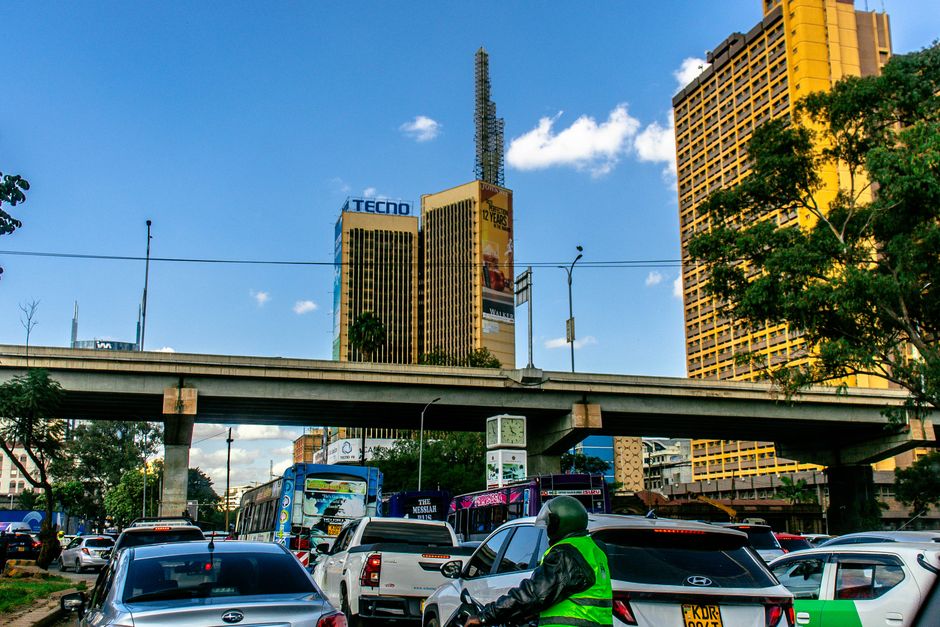
As Nairobi's population hurtles toward 6 million residents, the city's housing and urban planning strategy increasingly resembles a reactive scramble rather than the proactive blueprint employed by peer metropolitan centres worldwide.
The contrast is stark. Cities like Singapore have implemented strict zoning laws and Transit-Oriented Development (TOD) policies that integrate public transport with residential clusters, keeping median housing costs manageable for middle-income earners. Barcelona's superblocks initiative has prioritised liveable neighbourhoods over vehicular congestion. Meanwhile, Nairobi continues its fragmented expansion across Nairobi County, with sprawl eating into agricultural land around Ruai and Githunguri as middle-class housing clusters like those in Syokimau and Kitengela push ever outward.
The numbers tell a troubling story. According to recent data from the Nairobi City County, approximately 60 percent of the city's population lives in informal settlements, with average rent consuming 40-50 percent of household income—well above international benchmarks of 30 percent. Compare this to Seoul's comprehensive public housing programme, which aims to keep affordability below 28 percent for lower-income brackets, and the gap becomes undeniable.
Nairobi's Nairobi Metropolitan Services (NMS) and City County administrations have undertaken commendable initiatives—the Bus Rapid Transit corridor along Thika Road and ongoing Nairobi River rehabilitation projects signal intent. Yet coordination remains fragmented. The proposed Nairobi City Master Plan 2022-2032 acknowledges the need for mixed-income developments and affordable housing targets, but implementation lags considerably. Contrast this with Copenhagen, where municipal governments enforce strict requirements that 25 percent of new housing developments must be affordable.
The informal settlement challenge exacerbates planning difficulties. Sprawling zones like Mathare and Kibera, home to nearly 2 million people, operate largely outside formal regulatory frameworks—a reality absent in cities that have successfully formalised informal housing through incremental upgrading programmes, as evidenced in Medellín's comuna transformation.
What Nairobi desperately needs is strategic integration: transit-linked affordable housing corridors along the Standard Gauge Railway network, enforcement of building codes in satellite towns, and genuinely inclusive stakeholder consultation that incorporates residents' voices—not merely developer interests.
The city's ambitions to become a world-class metropolis ring hollow while residents queue at Westlands petrol stations to find affordable housing nearby. Nairobi isn't unique in facing these pressures, but its response must transcend piecemeal projects and embrace the comprehensive, community-centred urban planning that peer cities now recognise as essential.
The question isn't whether Nairobi can afford to plan better. It's whether it can afford not to.
This article was compiled by AI from the sources linked above and screened before publishing. See our editorial standards.