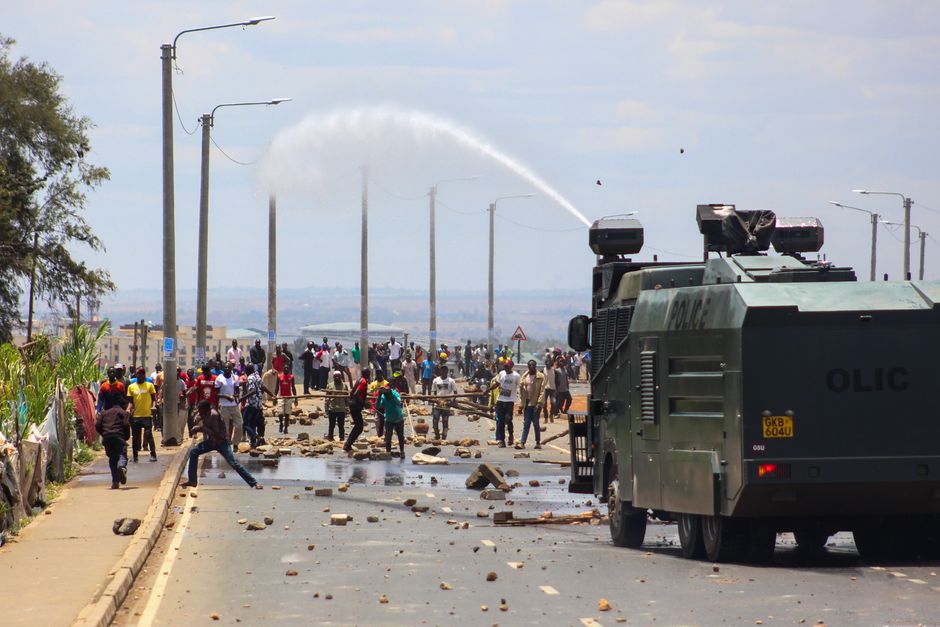
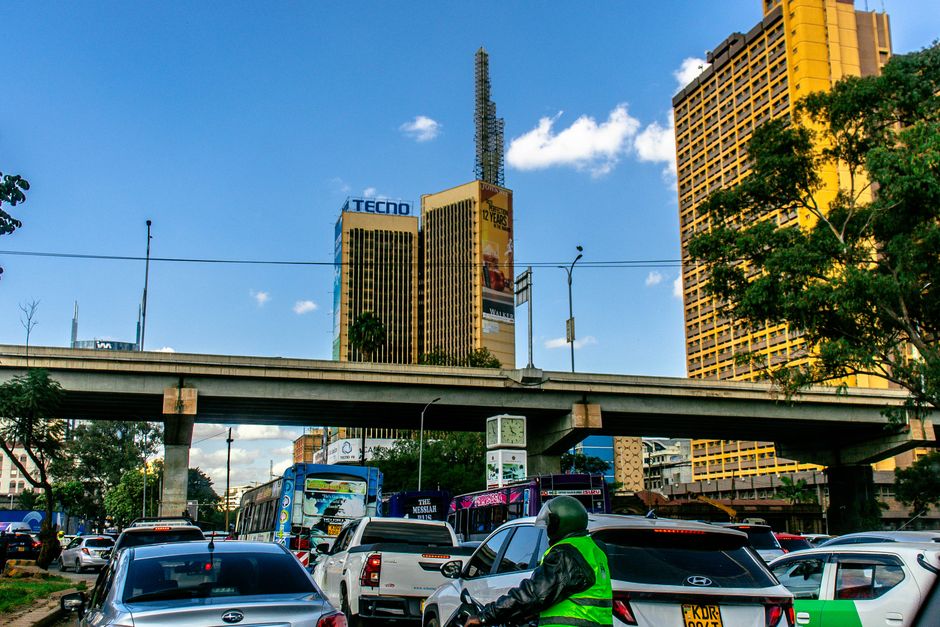
For the past four months, residents of Eastleigh have endured water rationing so severe that some households receive supply only twice weekly. The neighbourhood, home to nearly 300,000 people across its tight grid of streets radiating from First Avenue, has become a pressure point in Nairobi's wider water infrastructure crisis—and those living there are making their voices heard.
"We wake up at 4 a.m. to queue at communal taps," says one community organiser who has been documenting the crisis through the Eastleigh Development Forum, a grassroots coalition working since 2019. "Hospitals are running emergency protocols. Schools are closing water-dependent facilities." The neighbourhood, a commercial and residential hub heavily populated by traders and migrant families, relies on Nairobi City Water and Sewerage Company supply lines that haven't been upgraded since 2008.
The impact ripples through every sector. Business owners along Sixth Street report losses estimated at 40-60% of monthly revenue, as water-intensive enterprises—restaurants, laundries, small manufacturing units—struggle to operate. A salon owner on Fifth Avenue noted that reduced operating hours mean staff hours have been cut by half, affecting families dependent on these wages.
Health facilities paint an equally grim picture. Eastleigh Medical Centre, which serves the broader subcounty, confirmed it has cancelled non-emergency procedures and restricted bed capacity. "We're rationing water for basic sanitation," the facility's community liaison explained, highlighting risks during disease outbreaks—a concern now pressing given regional public health alerts.
Community voices have coalesced around specific demands: immediate investment in the aging pipeline infrastructure; installation of storage facilities in the neighbourhood; transparent water-rationing schedules; and inclusion of residents in decision-making. A petition signed by over 8,000 residents was submitted to Nairobi County in April, but progress remains sluggish.
"We're told solutions take time," one resident noted. "But time is a luxury we don't have. Children miss school. Patients miss treatment. Businesses collapse."
The Eastleigh case exemplifies broader challenges across Nairobi's informal and informal-adjacent neighbourhoods, where infrastructure deficits intersect with population density. However, residents here emphasise that their sustained organising—through WhatsApp groups, community meetings, and formal engagement with ward representatives—demonstrates that change is possible when affected people demand accountability.
As June temperatures peak, the neighbourhood faces its driest period yet. Community leaders say they'll intensify pressure on city officials at next month's public participation forums, refusing to let the crisis fade from public consciousness.
This article was compiled by AI from the sources linked above and screened before publishing. See our editorial standards.