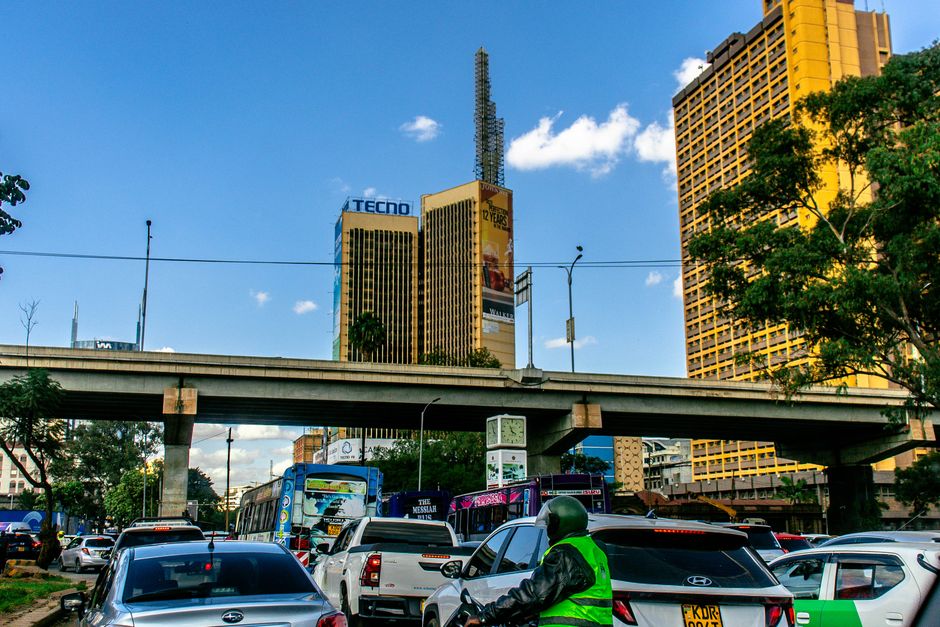
Nairobi's migrant communities navigate shifting borders: This week's key developments
Fresh visa restrictions, deportation fears, and new integration initiatives reshape the lives of thousands of foreign nationals calling the capital home.
Fresh visa restrictions, deportation fears, and new integration initiatives reshape the lives of thousands of foreign nationals calling the capital home.
Nairobi's multicultural fabric faced fresh pressures this week as immigration authorities announced stricter documentation requirements for work permit holders, a move that has left thousands of expatriates and regional migrants scrambling to update their papers before a July 15 deadline.
The Immigration Department's Tuesday announcement, targeting skilled workers in the tech, finance, and hospitality sectors concentrated in Westlands and the Central Business District, requires all non-citizens to submit biometric re-registration forms at the Nyayo House offices on Kenyatta Avenue. Migration advocates say the process could cost upwards of 15,000 shillings per applicant.
"We're seeing genuine anxiety," said officials at the Nairobi Refugee Consortium, based in Kilimani, who reported a 40 percent spike in consultations this week alone. The organisation has fielded calls from Pakistani, Indian, Somali, Ethiopian, and South Sudanese nationals concerned about their status, particularly those in informal employment.
Yet the week also brought signals of integration progress. On Wednesday, the Nairobi County Government launched an expanded language programme at community centres across Eastleigh—home to one of East Africa's largest Somali and Muslim diaspora populations. The initiative, offering Swahili and English classes to migrants and refugees, drew over 200 participants on opening day.
Meanwhile, restaurateurs and business owners in the Parklands neighbourhood reported a modest uptick in trade following the opening of three new migrant-run establishments, including an Afghan kebab house and a Venezuelan bakery. Local traders say the businesses have brought fresh foot traffic to the area, traditionally dominated by long-established Indian and Arab commercial networks.
The week's developments underscore Nairobi's precarious balance between welcoming foreign talent and managing resource pressures. City Hall estimates roughly 400,000 foreign nationals live in the capital—approximately eight percent of the metropolitan population—though exact figures remain contested.
For many, the new restrictions feel designed to squeeze informal migrant economies. "People worry they'll be pushed into the shadows," noted outreach workers at the Eastleigh-based Migration and Development Initiative, which provides legal aid to undocumented migrants.
Immigration officials insist the re-registration drive aims to improve tax compliance and security vetting, not enforcement. However, the timing—coinciding with regional instability in the Horn of Africa and Middle East—has amplified community tensions just as Nairobi attempts to position itself as an Africa-friendly global city.
Next week, the Law Society of Kenya is expected to file a petition challenging the deadline's constitutionality, potentially reshaping the implementation timeline.
This article was compiled by AI from the sources linked above and screened before publishing. See our editorial standards.
How does this story make you feel?
Spread the word
About this article
Published by The Daily Nairobi
Daily brief
Free, in your inbox before 7am. Weekdays.
More in News