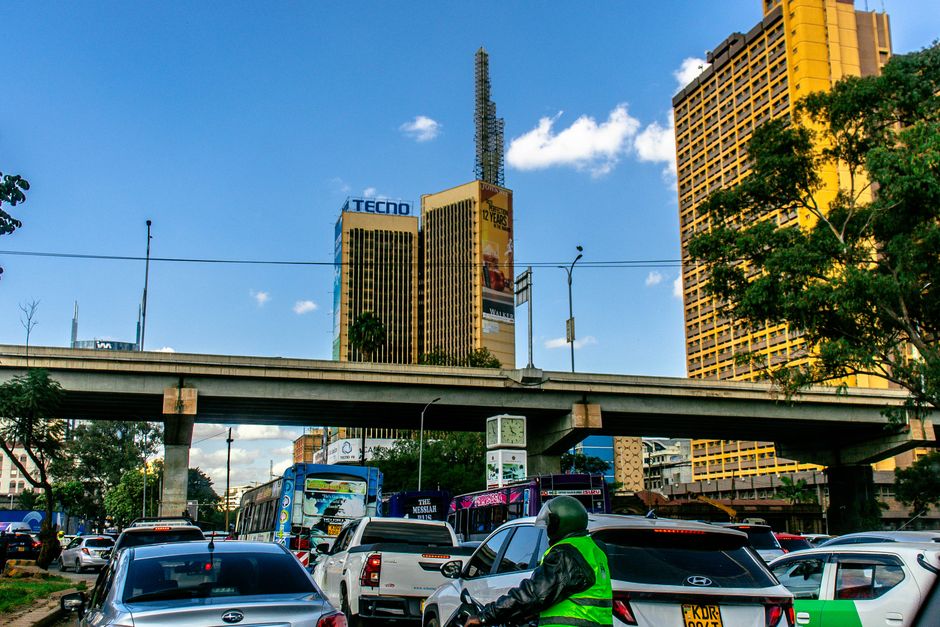
Nairobi's local government machinery faces mounting pressure to deliver on infrastructure promises, with city officials and independent experts offering starkly different assessments of how quickly the capital can address its most critical challenges.
Officials at City Hall have pointed to recent investments in the Nairobi Metropolitan Area transportation network as evidence of progress, noting that preparatory work for the planned Bus Rapid Transit corridor along Uhuru Highway has commenced. However, urban planning consultants argue that without stricter enforcement of development regulations in sprawling areas like Kahawa West and Embakasi, congestion will continue spiralling. Traffic analysts estimate commute times from the central business district to industrial zones have increased by approximately 40 percent over the past three years.
Water scarcity remains equally contentious. City Hall engineers have cited aging pipe infrastructure across neighbourhoods including Westlands and South B as a key constraint, with non-revenue water loss estimated at nearly 50 percent of supply. Meanwhile, experts from the Institute for Water Security have called for immediate tariff restructuring and meter installation programmes, arguing that current management approaches are unsustainable given Nairobi's population exceeding 4.5 million.
The Nairobi County Assembly has emerged as a focal point for these debates. Members representing constituencies from Makadara to Kasarani have publicly advocated for decentralised service delivery models, citing dissatisfaction with centralised decision-making at City Hall offices on City Hall Avenue. Some analysts view this as constructive pressure; others warn it risks fragmenting limited municipal budgets.
Housing remains politically fraught. Following rapid informal settlement expansion in areas like Mathare and Korogocho, city administrators and civil society organisations are at odds over relocation versus in-situ upgrading strategies. The ongoing Kibera redevelopment initiative—intended to resettle thousands—has drawn scrutiny from human rights groups questioning implementation timelines and compensation frameworks.
Environmental advocates have seized on Nairobi's severe air quality challenges, with pollution levels occasionally exceeding World Health Organisation guidelines. City officials have pledged enhanced monitoring, though enforcement capacity remains questioned by independent researchers.
Looking ahead, stakeholders appear aligned on one point: Nairobi's governance systems require modernisation. Whether through technology adoption, increased accountability mechanisms, or structural reforms, consensus exists that the status quo cannot sustain a city aspiring to continental leadership.
This article was compiled by AI from the sources linked above and screened before publishing. See our editorial standards.