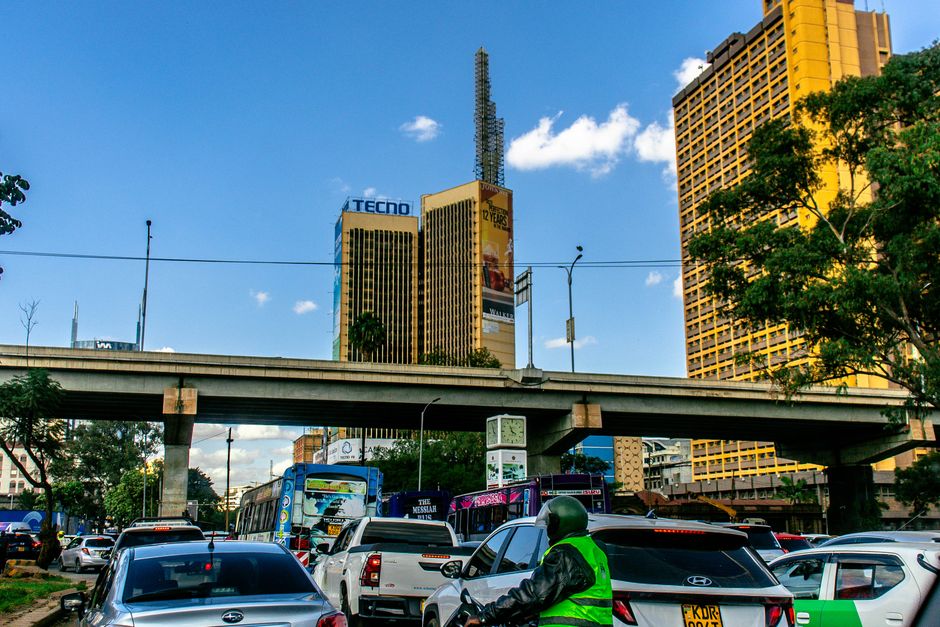
Walk into any matatu along Ngong Road or a small grocer's shop in Eastleigh, and the conversation inevitably turns to crime. For months now, Nairobi's residents have been grappling with an uptick in street robberies, break-ins, and violent incidents that have left many questioning whether police presence is enough to keep their communities safe.
In Kibera, one of the city's largest informal settlements, where an estimated 250,000 people live in densely packed structures, business owners describe a climate of fear that has begun to erode their livelihoods. Small shop owners report losing merchandise to organised theft rings multiple times a month, with response times from nearby police stations often stretching beyond two hours. The Kibera Police Station, which serves the vast neighbourhood, handles over 800 reported incidents monthly according to local NGO data, yet permanent patrols remain sparse.
The situation mirrors challenges in Mathare, Korogocho, and parts of Southlands, where residents have begun organising their own neighbourhood watch programmes after losing confidence in emergency response mechanisms. The Nairobi Police Service's emergency hotline, 999, continues to struggle with call volumes, particularly during peak evening hours between 6 PM and midnight—precisely when muggings are most common.
Along busy commercial corridors like Tom Mboya Street and Moi Avenue, traders report installing private security cameras and hiring off-duty officers at substantial cost. A small business owner in the CBD now spends approximately 15,000 shillings monthly on private security—an expense that cuts directly into profit margins already squeezed by economic pressures.
Parents in middle-class estates like Westlands and Kilimani have grown increasingly vocal about safety concerns, with many restricting their children's movement and opting for private transportation rather than public matatus. Schools in these areas have upgraded perimeter fencing and hired additional guards, shifting security burden to private institutions.
Despite these grassroots efforts, residents emphasise that community policing cannot substitute for systemic solutions. They're calling for increased police visibility, better equipped emergency response units, and transparent crime reporting that helps residents understand trends in their neighbourhoods. The message is clear: Nairobi's residents are ready to collaborate with authorities, but they're running out of patience waiting for meaningful institutional change.
This article was compiled by AI from the sources linked above and screened before publishing. See our editorial standards.