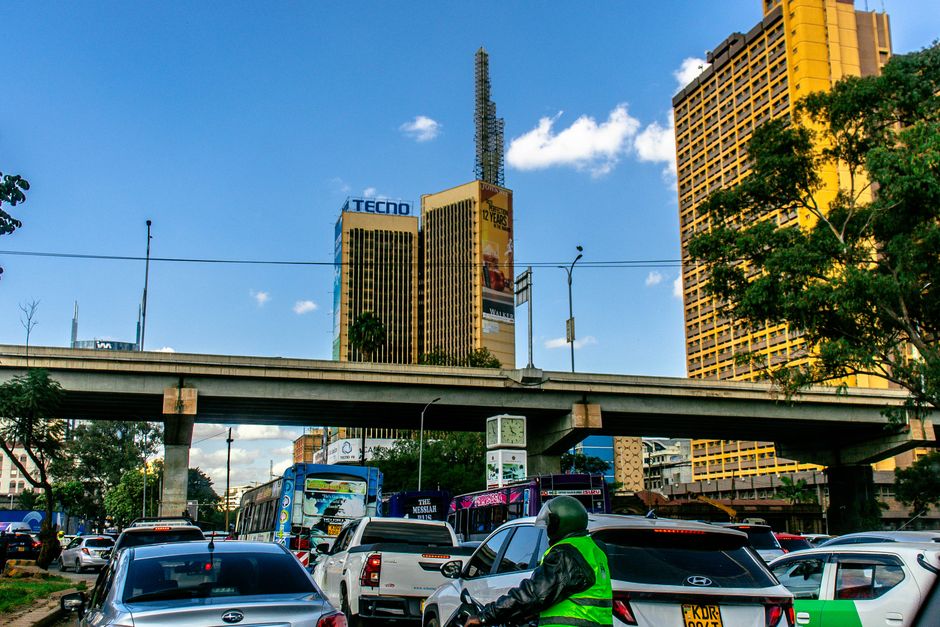
Nairobi stands at a crucial juncture. With six months remaining in the current county administration's term, three interrelated decisions will reverberate through the city's trajectory for years to come—each demanding immediate clarity from City Hall and the Nairobi Metropolitan Services.
The first centres on the Bus Rapid Transit (BRT) corridor expansion. The Nairobi BRT Phase Two project, originally slated to connect Westlands through to Embakasi via the CBD, faces funding gaps and route finalisation delays. Stakeholders along Uhuru Highway and Mombasa Road have demanded consultation on station placements and business displacement provisions. City leadership must decide whether to proceed with the proposed 48-kilometre network by mid-July or restructure timelines—a choice that will affect commute times for an estimated 1.2 million daily users and small traders across the corridor.
Second is the fate of informal settlement upgrading programmes. The county has identified Kibera, Mathare, and Eastlands as priority zones for the Integrated Urban Development Master Plan. However, budget constraints—current allocation stands at approximately Sh800 million against an estimated need of Sh3.2 billion—force hard choices about which neighbourhoods receive water infrastructure, waste management systems, and electricity improvements first. Community leaders have begun public mobilisation efforts, and tensions are mounting as residents compete for limited resources.
The third critical decision involves water management. The Nairobi Water and Sewerage Company faces mounting pressure to reduce non-revenue water loss, currently hovering at 48 per cent across the distribution network. Pipeline rehabilitation on Kenyatta Avenue and eastwards requires sustained investment and operational restructuring. Leadership must decide between current contractor arrangements or pursuing public-private partnerships—a decision that carries implications for tariffs and service reliability across all 17 sub-counties.
Underpinning these choices is the broader question of fiscal accountability. The county's Auditor's recent reports flagged irregularities in procurement processes and budget execution, raising stakeholder scepticism about whether new commitments will translate into visible improvements on the ground.
City Hall's decisions in the next 30 days will signal priorities to residents, investors, and development partners. Whether elected leaders choose incremental progress or systemic overhaul will reveal much about Nairobi's readiness for genuine transformation as the city vies for recognition as East Africa's premier metropolitan centre.
This article was compiled by AI from the sources linked above and screened before publishing. See our editorial standards.