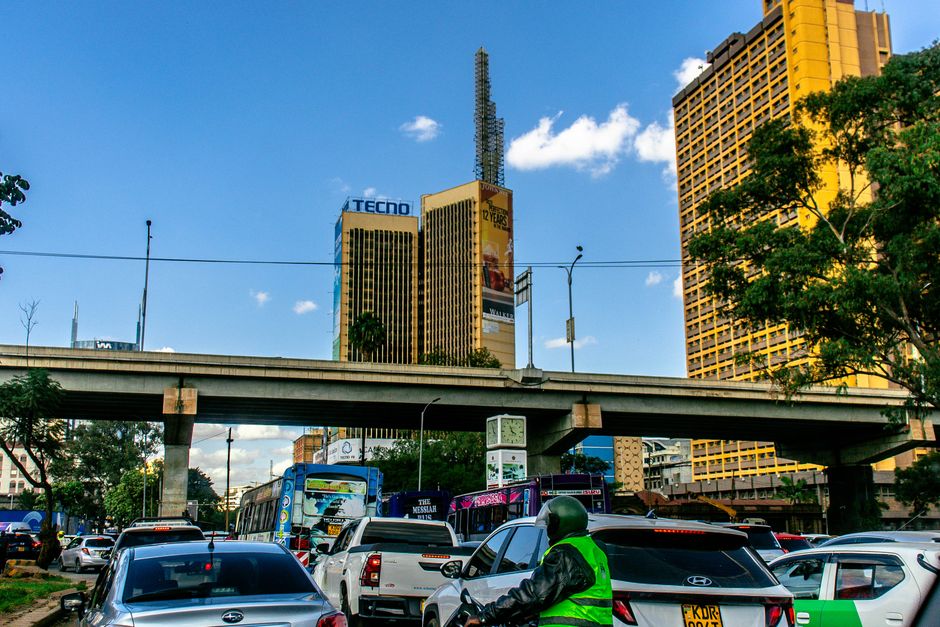
Nairobi stands at a critical juncture. After years of ambitious planning and partial execution, the city's transport infrastructure landscape is cluttered with half-finished projects, stalled commitments, and competing visions—each demanding attention and resources that may not exist.
The Nairobi Metropolitan Area Transport Authority (NAMATA) faces an immediate decision on the Bus Rapid Transit (BRT) corridor expansion. The first phase along Thika Road has logged 18 months of delays, with construction completion now pushed to Q4 2026 at best. Officials must now choose: accelerate funding for the planned Mombasa Road extension, or consolidate efforts on the existing Thika corridor to ensure it functions properly before expansion. The cost differential is substantial—completing Thika Road fully costs roughly 8 billion shillings, while opening a new corridor exceeds 12 billion.
Equally pressing is the Nairobi Expressway's underperformance. Usage data from the first quarter of 2026 shows traffic volumes 23 percent below projections, translating to revenue shortfalls that threaten maintenance schedules and debt servicing. Decisions loom about toll restructuring—whether to reduce rates to encourage adoption, or maintain current tariffs to meet operator obligations. Each choice carries political weight in a city where public perception of transport equity runs deep.
The Standard Gauge Railway's commuter arm, meanwhile, limps along with chronic reliability issues. The railway corridor from Nairobi terminus to Naivasha has become a symbol of infrastructure ambition meeting operational reality. Management must decide whether to invest heavily in fleet modernization and staff retraining, or scale back services to match current revenue generation—a move that would disappoint the 12,000-plus daily commuters relying on the line.
Less visible but equally consequential are decisions about informal transport. The city's matatu sector still moves roughly 60 percent of daily commuters, yet formal planning frameworks largely ignore it. County officials must decide whether to invest in formalized mini-bus terminals in Eastleigh, Kasarani, and Kibera, or continue ad-hoc regulation of the current system.
The common thread binding these decisions is resource scarcity. Nairobi's transport budget faces competing demands from pothole repairs, drainage upgrades, and social services. Political pressure from residents in Makadara, Kamukunji, and Embakasi—where road conditions have deteriorated sharply—threatens to redirect funds from major projects toward routine maintenance.
By September, when the county prepares its 2027 budget cycle, these choices must be crystallized. The question isn't what Nairobi wants to build—it's what the city can realistically complete, operate, and sustain.
This article was compiled by AI from the sources linked above and screened before publishing. See our editorial standards.