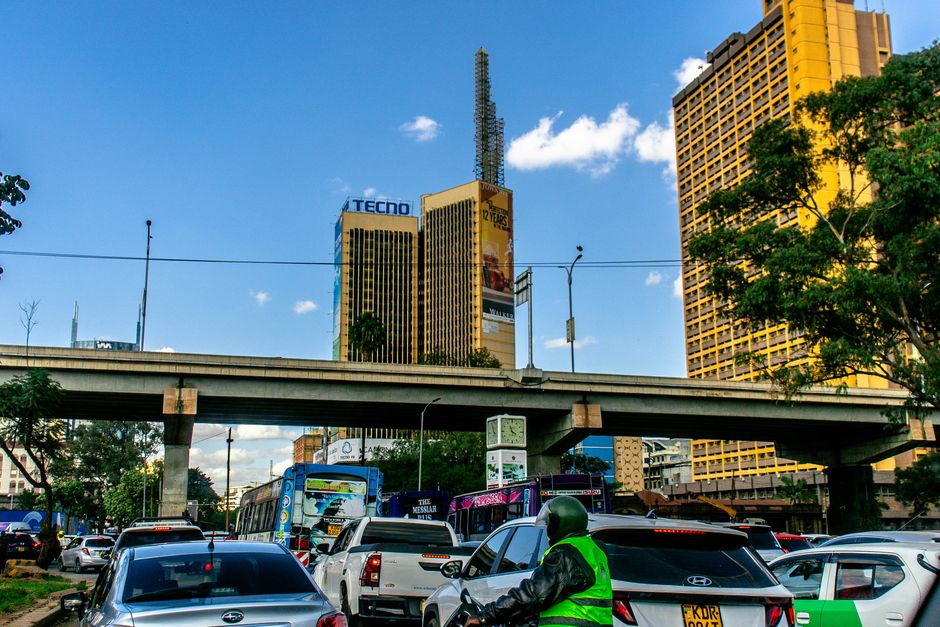
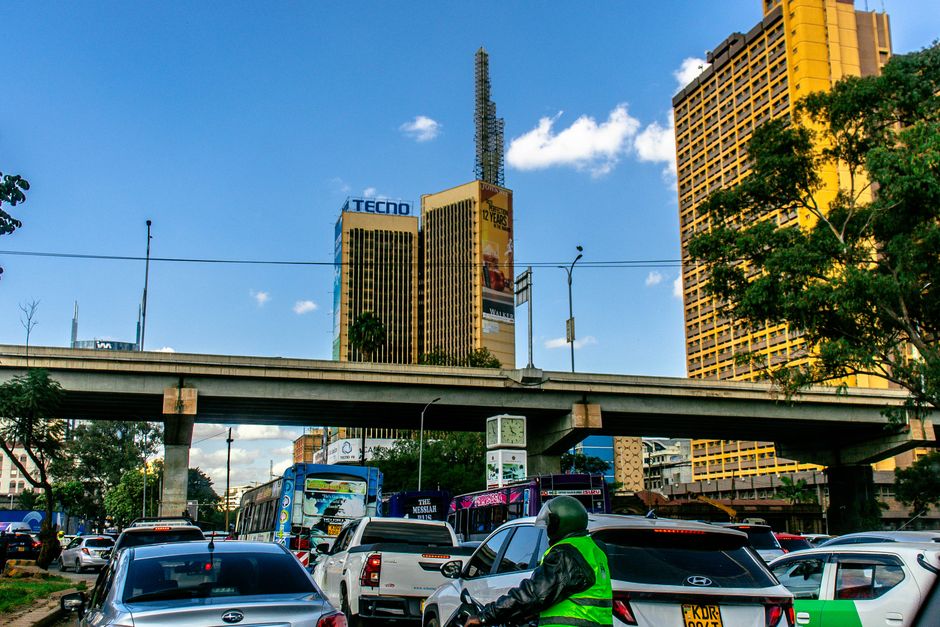
The proposed rezoning of sprawling residential zones across Eastlands has ignited fierce debate in Nairobi's working-class heartland, where families who have built lives over decades now face uncertainty about their neighbourhoods' futures.
Under the revised urban planning framework unveiled by Nairobi County in March, large swathes of Kayole, Soweto, and sections of Embakasi are earmarked for "mixed-use development"—a euphemism that has set alarm bells ringing among residents who remember similar initiatives that priced out long-standing communities.
"My mother bought this plot on Juja Road in 1998 for 150,000 shillings," says one Kayole-based small business operator. "Today, developers are offering 8 million for the same quarter-acre, but then what? Where do people like us go? The new housing projects in Ruai start at 2.5 million for a studio apartment." Current rental rates in Kayole average 8,000–12,000 shillings monthly for a two-bedroom unit—manageable for many—yet proposed developments suggest prices could triple within five years.
The City County's Housing and Urban Development directorate maintains that densification and mixed-income projects are essential to accommodate Nairobi's projected growth of 200,000 residents annually. Yet community representatives from the Soweto Community Development Association argue the planning process has excluded grassroots voices.
"We weren't consulted properly," explains a long-time Soweto resident who runs a food kiosk near the Aga Khan Walk shopping centre. "These decisions are made in offices downtown, but the people living here—traders, renters, young families—we're invisible in the conversation."
Some residents acknowledge the need for infrastructure investment. Poor drainage on Outer Ring Road and overcrowded public facilities are genuine concerns. However, many fear that development will benefit external investors rather than current inhabitants.
The tension mirrors broader patterns in Nairobi's urban evolution. Similar rezoning in Kilimani and Westlands over the past decade has transformed streetscapes, displaced informal traders, and created new class divides within formerly mixed neighbourhoods.
County officials have promised "affordable housing components" in future projects, typically set at 30 percent of units. Yet with construction costs and land premiums rising, many question whether 30 percent truly serves families earning below 50,000 shillings monthly.
As the final phase of public comment closes this week, Eastlands residents remain determined to make their voices heard—not to block development, many insist, but to ensure they remain part of their own city's future.
This article was compiled by AI from the sources linked above and screened before publishing. See our editorial standards.