Walk through the corridors of the United Nations Office at Nairobi (UNON) in Gigiri, or the bustling corridors of the International Organisation for Migration's regional headquarters, and you'll encounter a microcosm of Africa's displacement crisis. Today, Nairobi hosts over 700,000 refugees and asylum seekers—more than any other East African city—a reality that didn't emerge overnight but rather accumulated through four decades of regional upheaval.
The foundation was laid in the 1980s. When civil conflict erupted across the Horn of Africa, Nairobi's established infrastructure, relatively stable governance, and cosmopolitan character made it a natural refuge. The city already had diplomatic missions, NGOs, and international development agencies establishing roots along Riverside Drive and around the Karen and Lavington neighbourhoods. What began as temporary displacement soon crystallised into permanent settlement patterns.
The 1990s accelerated this transformation. Somalia's state collapse sent waves of refugees across the border, many settling in Eastleigh—a neighbourhood that would fundamentally reshape itself around this demographic shift. What was once a middle-class residential area became a thriving commercial hub, with Somali entrepreneurs establishing businesses that would eventually generate an estimated 400 billion shillings annually in economic activity. The transformation wasn't seamless; tensions between newcomers and established residents created friction that persists in various forms today.
By the 2000s, Nairobi's role as a migration hub had become institutionalised. The city hosted the regional headquarters of the UN High Commissioner for Refugees, making it the administrative nerve centre for refugee operations across East Africa. International NGOs concentrated operations here—Médecins Sans Frontières, Norwegian Refugee Council, and dozens of others established offices in Westlands and around Chiromo Lane. This concentration of humanitarian infrastructure created jobs and services that, in turn, attracted more migrants.
Recent years have intensified the pattern. DR Congo's ongoing conflicts, South Sudan's civil war, and Ethiopia's periodic instability have sent fresh waves of displaced persons toward Kenya. Security challenges in certain areas have prompted some relocations within Nairobi itself, with populations shifting between neighbourhoods like Kangemi, Mathare, and Kamukunji.
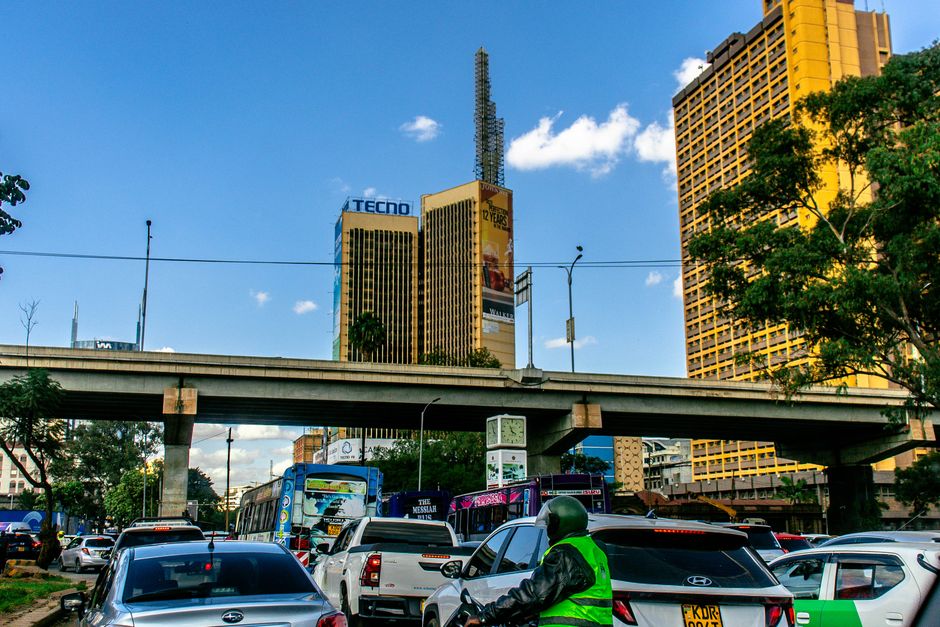
Today's Nairobi reflects this accumulated history. The city's cultural fabric—its restaurants in Kilimani, its languages heard on matatus crossing the CBD, its diverse worship spaces from Upper Hill to Parklands—bears the imprint of three decades of migration. Understanding Nairobi's present multicultural character requires acknowledging not a sudden shift, but a gradual, complex transformation shaped by regional instability, deliberate institutional choices, and the agency of migrants themselves seeking safety and opportunity.
This article was compiled by AI from the sources linked above and screened before publishing. See our editorial standards.