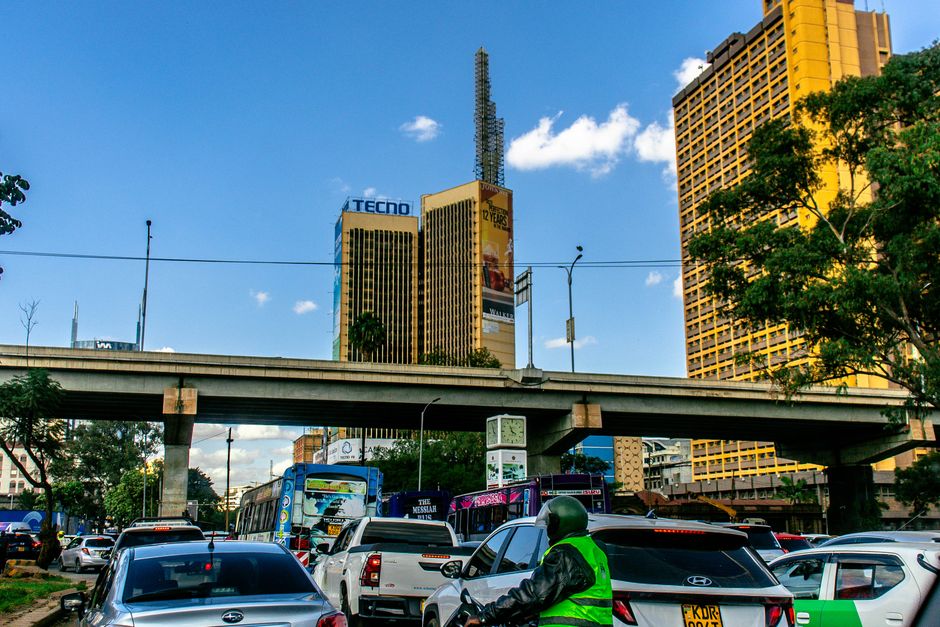
From Crisis to Action: The Decade-Long Road That Led Nairobi to Its Current Sustainability Push
Years of pollution, flooding, and resource depletion forced the city to reckon with environmental neglect—and finally act.
Years of pollution, flooding, and resource depletion forced the city to reckon with environmental neglect—and finally act.
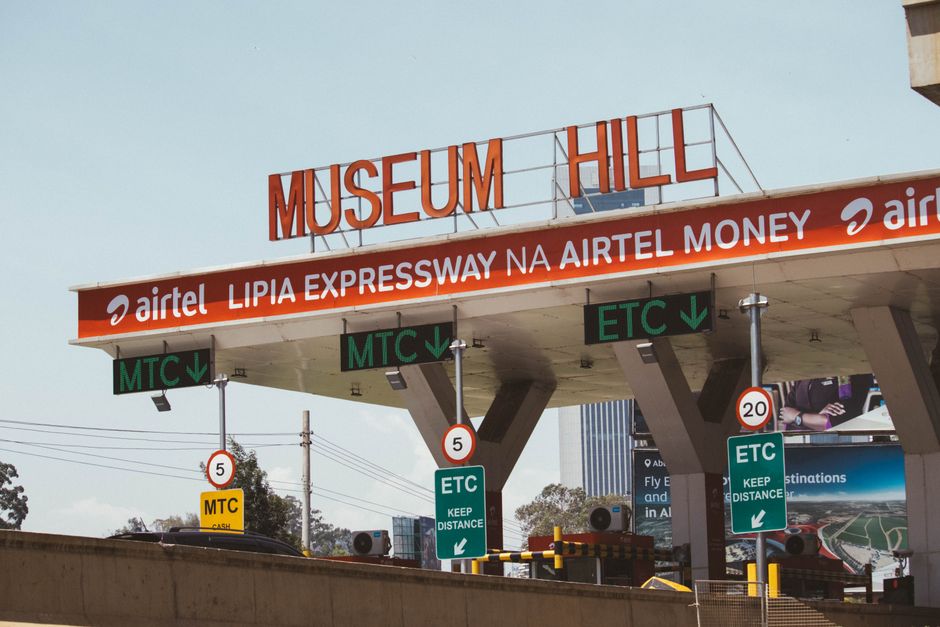
Walk through Nairobi's industrial heartland in Embakasi today, and the transformation is undeniable. Yet this environmental awakening didn't happen overnight. The journey from a city choking under plastic waste and raw sewage to one implementing serious sustainability measures spans more than a decade of mounting crises, community pressure, and gradual institutional change.
The turning point came in the early 2020s, when severe flooding devastated informal settlements in Mathare and Kibera, displacing thousands and exposing the city's crumbling drainage infrastructure. Simultaneously, reports revealed that Nairobi's landfills—particularly the sprawling Dandora site that has operated since 1975—were contaminating groundwater across the eastern suburbs. Residents in areas like Buruburu and Umoja began documenting health crises they linked directly to environmental degradation. Water bills in some neighbourhoods spiked as treatment costs climbed, straining households already spending 15-20% of income on utilities.
The private sector gradually responded to consumer pressure. By 2024, major retailers along Mombasa Road and in Westlands began charging for plastic bags, reducing single-use consumption measurably. NGOs like the Kenya Green Building Society started certifying sustainable construction projects, though progress remained slow in informal housing markets where over 60% of Nairobi residents live.
Local government proved the real catalyst. The Nairobi City County's 2025 waste management overhaul mandated waste segregation across all estates and invested in recycling facilities in areas like Makadara and Kasarani. Public transport initiatives—expanding the bus rapid transit system—addressed transport emissions that had made Nairobi's air quality rank among Africa's worst. By 2026, air quality readings had improved by roughly 18%, though particulates during dry seasons remain problematic.
Community groups operating from venues like the African Centre on Harry Thuku Road organised neighbourhood cleanups along the Nairobi River, catalysing conversations about restoration. These grassroots efforts shifted public consciousness: sustainability transformed from a fringe concern into a mainstream political issue voters could influence.
Yet challenges persist. Informal waste pickers—estimated at over 50,000 people dependent on Nairobi's refuse economy—struggle as formal recycling systems emerge. Industrial polluters still operate with inadequate oversight. But the city's current momentum reflects hard-won lessons: environmental collapse forced acknowledgment that growth without sustainability extracts unbearable costs.
Nairobi's sustainability initiatives today represent not idealism, but pragmatic reckoning with a decade of preventable suffering.
This article was compiled by AI from the sources linked above and screened before publishing. See our editorial standards.
How does this story make you feel?
Spread the word
About this article
Published by The Daily Nairobi
Daily brief
Free, in your inbox before 7am. Weekdays.
More in News