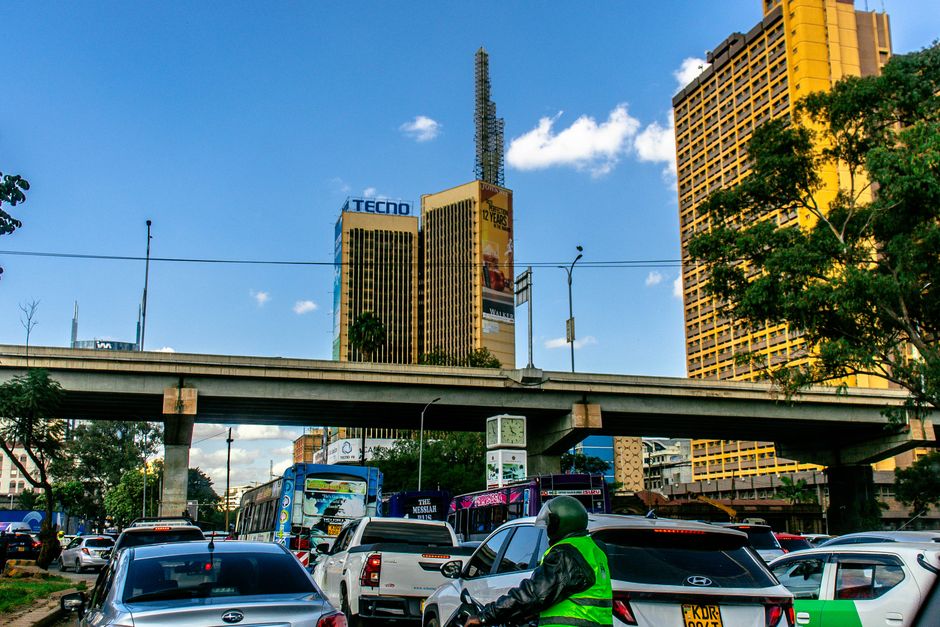
The corridors of Nairobi's Westlands business district have been unusually busy this week as migrants and expatriates scramble to understand the implications of new visa restrictions and travel advisories. Immigration consultants operating along Mpesi Lane and around the Safari Park Hotel report a 40 per cent spike in client meetings since Monday, as uncertainty grips communities that have long called Kenya's capital home.
The uptick follows a cascade of regional developments that have destabilised travel patterns across East Africa and beyond. Pakistan's military strikes into Afghanistan have triggered emergency travel warnings, while deepening Iran-US tensions—despite signals of fresh diplomatic talks in Qatar—have left many Iranian and Pakistani nationals reassessing their mobility. For Nairobi's estimated 150,000-strong expatriate population, the ripple effects are tangible.
"We've had enquiries from Venezuelan nationals asking about extending their stay permits, and Pakistani families wanting clarity on their documentation status," said one immigration officer at the Nyayo House headquarters in Upper Hill, speaking on condition of anonymity. "People are nervous."
The anxiety is particularly acute in Kileleshwa and Kilimani, neighbourhoods where diplomatic staff, tech professionals, and international NGO workers cluster. Several organisations working with refugee and migrant populations—including those based near the UN offices on Gigiri—have fielded calls from vulnerable groups worried about access to healthcare and social services should their legal status change unexpectedly.
Yet the week has not been uniformly bleak. Community leaders in Eastleigh, Nairobi's Somali-dominated quarter, note that despite regional tensions, remittance flows have remained relatively stable, with money transfer services on First Avenue handling volumes consistent with recent months. "People are worried, yes, but families still need to eat," one operator remarked.
The Kenyan government's Immigration Department has not issued new directives, but officials acknowledge they are monitoring the situation. A spokesperson noted that Kenya remains committed to its international obligations while maintaining security protocols.
Organisations like the Kenya Red Cross and community-based groups operating from Nairobi's East African Development Bank offices are expanding counselling services. "Migration is complex in the best times," said a humanitarian coordinator. "When external shocks hit, people need accurate information and emotional support."
For now, Nairobi's multicultural fabric endures. But this week's developments have underscored how tightly woven global instability is with local life in Kenya's bustling capital.
This article was compiled by AI from the sources linked above and screened before publishing. See our editorial standards.