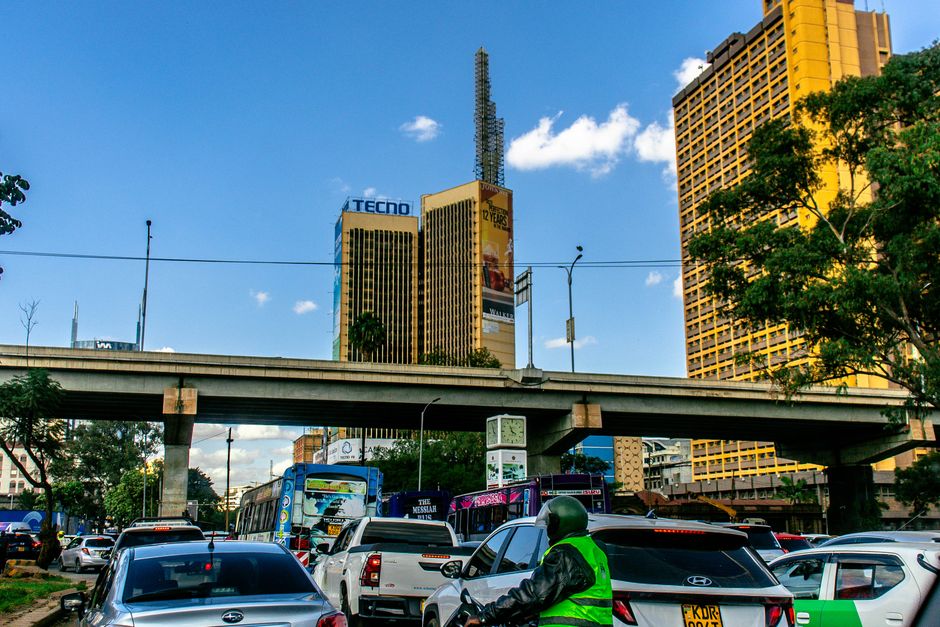
The humanitarian crises unfolding across the Middle East, South Asia, and Central Africa are having direct ripple effects on Nairobi's already-stretched housing market and public services. As conflict intensifies in Afghanistan, Iran, and the Democratic Republic of Congo, migration experts warn that the city's multicultural neighbourhoods face mounting pressure to absorb new arrivals seeking safety and economic opportunity.
"We're seeing increased inquiries from families seeking accommodation in areas like Westlands, Upper Hill, and Karen," says a housing sector analyst tracking migration patterns. International organisations working with asylum seekers report that applications for Nairobi-based residency have surged by nearly 40 percent in the past eighteen months, straining both formal and informal settlement infrastructure across the city.
The impact is particularly acute in Eastleigh, where the Somali diaspora community has long established networks supporting refugees and migrants. Local shop owners along First Avenue report rising demand for affordable rental units, with monthly rent for basic two-bedroom apartments climbing from KES 15,000 to KES 22,000 in some blocks. Schools in the neighbourhood are operating at 130 percent capacity, according to education administrators, forcing parents to seek alternatives in Kilimani and Embakasi.
Yet the economic contributions are also evident. Migrant-owned businesses—particularly in hospitality, retail, and services—now represent an estimated 18 percent of commercial activity in central Nairobi. The proliferation of international restaurants, immigration law firms, and remittance centres along Koinange Street reflects demographic shifts reshaping the city's economic landscape.
Community organisations like the Kenya Red Cross and refugee advocacy groups are working to bridge integration gaps. Language barriers, access to healthcare, and employment verification remain critical challenges. The Nairobi City County's integration programmes, based primarily in the CBD and select sub-counties, currently reach fewer than 5,000 migrants monthly—a fraction of actual arrivals.
Housing advocates argue that Nairobi needs urgent policy intervention: affordable housing corridors, zoning flexibility, and skills-matching initiatives connecting migrants to labour-market gaps. Without coordinated planning, informal settlements in Korogocho, Kawangware, and Mathare could expand rapidly, straining water, sanitation, and waste management systems already operating beyond capacity.
City planners acknowledge the challenge. "Migration is inevitable and, when managed well, beneficial," says one municipal source. "The question is whether Nairobi's infrastructure and social services can adapt quickly enough." As global instability persists, the answer will shape the capital's character for years to come.
This article was compiled by AI from the sources linked above and screened before publishing. See our editorial standards.