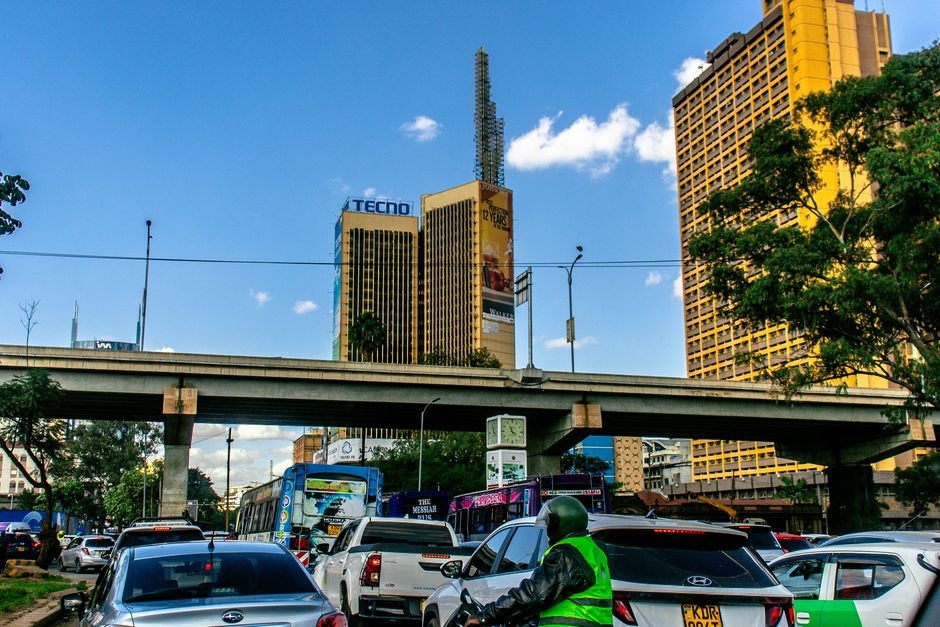
On a Tuesday afternoon in Eastleigh, the commercial heart of Nairobi's Somali-Kenyan community, shopkeepers from a dozen nations haggle over fabric prices and mobile phone credit. A few kilometres away, in Nairobi West and Kilimani, expatriate professionals from Uganda, Tanzania, Nigeria and beyond navigate the city's bustling professional landscape. The contrast with recent violence in South Africa—where anti-immigration marches have forced thousands of foreigners to flee—underscores a critical question: what is Nairobi doing differently?
According to the International Organization for Migration, Kenya hosts approximately 800,000 migrants and refugees, with Nairobi accounting for nearly 40 per cent of that population. Yet unlike Johannesburg and Cape Town, where anti-foreigner sentiment has periodically erupted into deadly confrontations, Nairobi has largely avoided large-scale xenophobic violence. This relative stability stems partly from institutional frameworks and partly from pragmatism born of necessity.
The city's informal economy—which dominates areas like Gikomba market and the sprawling suburbs of Kawangware—has long depended on cross-border entrepreneurship. Somali traders, Ethiopian restaurateurs, and Ugandan service providers operate within ecosystems where their contributions are visible and economically vital. "People compete for livelihoods here, but there's an understanding that migration isn't zero-sum," notes one longtime Nairobi-based civil society observer.
Yet this coexistence is fragile. Tensions occasionally surface around housing costs in neighbourhoods like Parklands and Upper Hill, where expatriate demand has driven rents beyond reach for many Kenyans. The City County government's attempts at formalizing informal settlements have sometimes targeted migrant-heavy areas disproportionately. Unlike some European cities that have invested heavily in integration programmes, Nairobi's approach remains largely laissez-faire.
Comparison with regional counterparts reveals Nairobi's middle ground. While Dar es Salaam has seen less overt tension partly due to lower migrant concentration, and while South Africa's institutional weaknesses allowed xenophobia to metastasize, Nairobi's strength lies in distributed economic opportunity and cultural familiarity—most migrants share East African ties or are part of longstanding diaspora networks.
However, the city cannot remain complacent. As global migration pressures intensify and economic inequality deepens, proactive investment in integration—language programmes, formalized labour pathways, and inclusive urban planning—could cement Nairobi's reputation as a genuinely cosmopolitan hub rather than merely a default destination.
The question is whether city leadership will seize that opportunity before circumstance forces its hand.
This article was compiled by AI and screened before publishing. See our editorial standards.